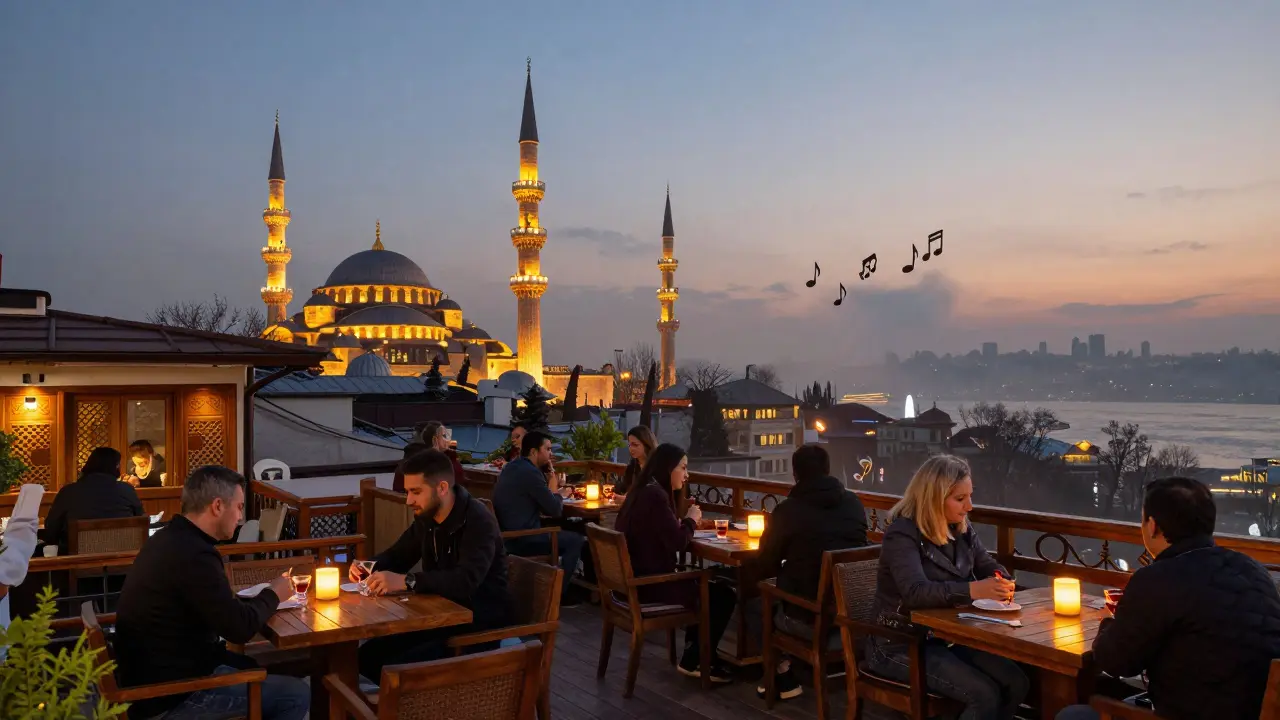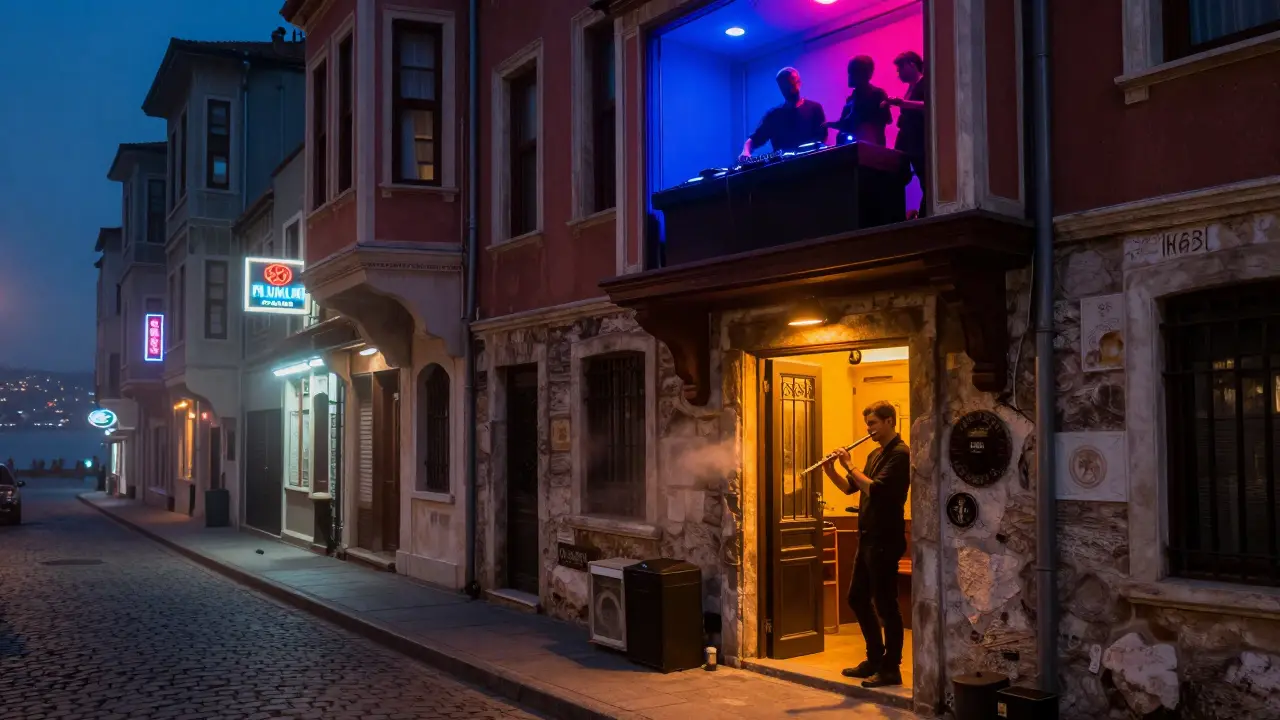
When the sun sets over the Bosphorus, Istanbul doesn’t sleep-it transforms. The city’s nightlife isn’t just about drinking or dancing. It’s a living tapestry woven from centuries of music, migration, and rebellion. Walk down İstiklal Avenue in Beyoğlu at midnight and you’ll hear Ottoman-era ney flutes drifting out of a hidden jazz cellar, while three floors up, a DJ drops a bassline that could shake the foundations of the old Byzantine walls. This isn’t a theme park. This is real life, layered like baklava-sweet, messy, and impossible to ignore.
Where the Night Began: The Roots of Istanbul’s After-Hours Culture
Istanbul’s nightlife didn’t start with neon signs or VIP lounges. It began in the coffeehouses of the 15th century, where merchants, poets, and sailors swapped stories over strong Turkish coffee and the first whispers of the qanun. By the 1800s, the city’s European districts like Pera (now Beyoğlu) became playgrounds for diplomats, artists, and exiles. The first cabarets opened in 1870, blending French chanson with Turkish folk tunes. These weren’t just parties-they were political acts. Women danced openly. Gay men found safety in dim corners. Dissidents plotted revolutions over raki.
Fast forward to the 1990s. After decades of strict curfews and moral crackdowns, Istanbul’s youth reclaimed the night. Underground clubs popped up in abandoned warehouses along the Golden Horn. The sound? Turkish rock fused with techno. The vibe? Defiant. By 2005, Istanbul had more than 200 licensed venues. Today, even with shifting laws and occasional closures, the city still pulses with more than 400 active nightlife spots.
Five Neighborhoods That Define the Night
Not all nights in Istanbul are the same. Each district has its own rhythm.
- Beyoğlu: The heart. İstiklal Avenue is crowded with tourists, but turn down any side street-Cihangir, Çiçek Pasajı, or Sıraselviler-and you’ll find intimate bars serving craft cocktails, live oud performances, and rooftop views of the Galata Tower. Bar 66 has been open since 1992 and still draws musicians, writers, and expats who remember when the city felt wilder.
- Karaköy: Sleek, quiet, and full of surprises. This former port district is now home to minimalist wine bars like Arkaoda, where you sip natural Turkish wines made from indigenous grapes like Narince and Öküzgözü. No loud music. Just candlelight, leather couches, and conversations that last until dawn.
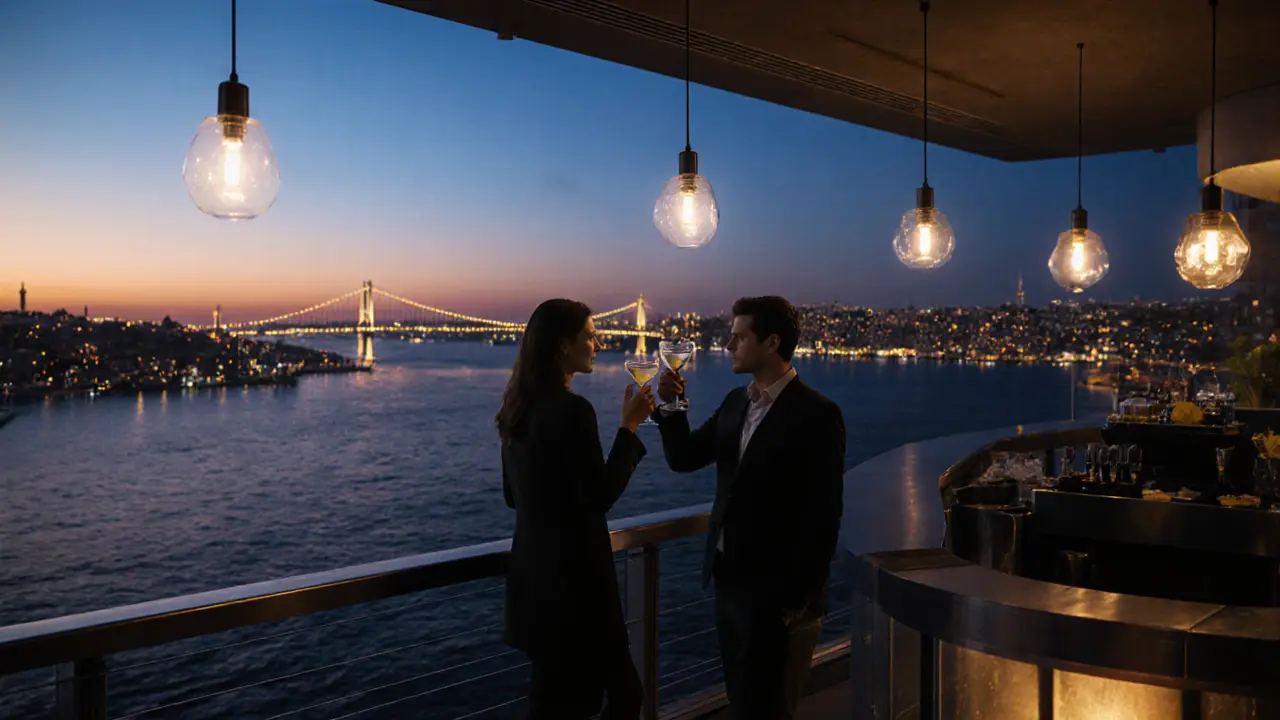
- Nişantaşı: For those who want glamour without the chaos. Think designer lounges like Reina (yes, the one with the yacht dock), where celebrities sip champagne and locals debate whether the music is too commercial. It’s expensive, but the view of the Bosphorus at 2 a.m. is worth it.
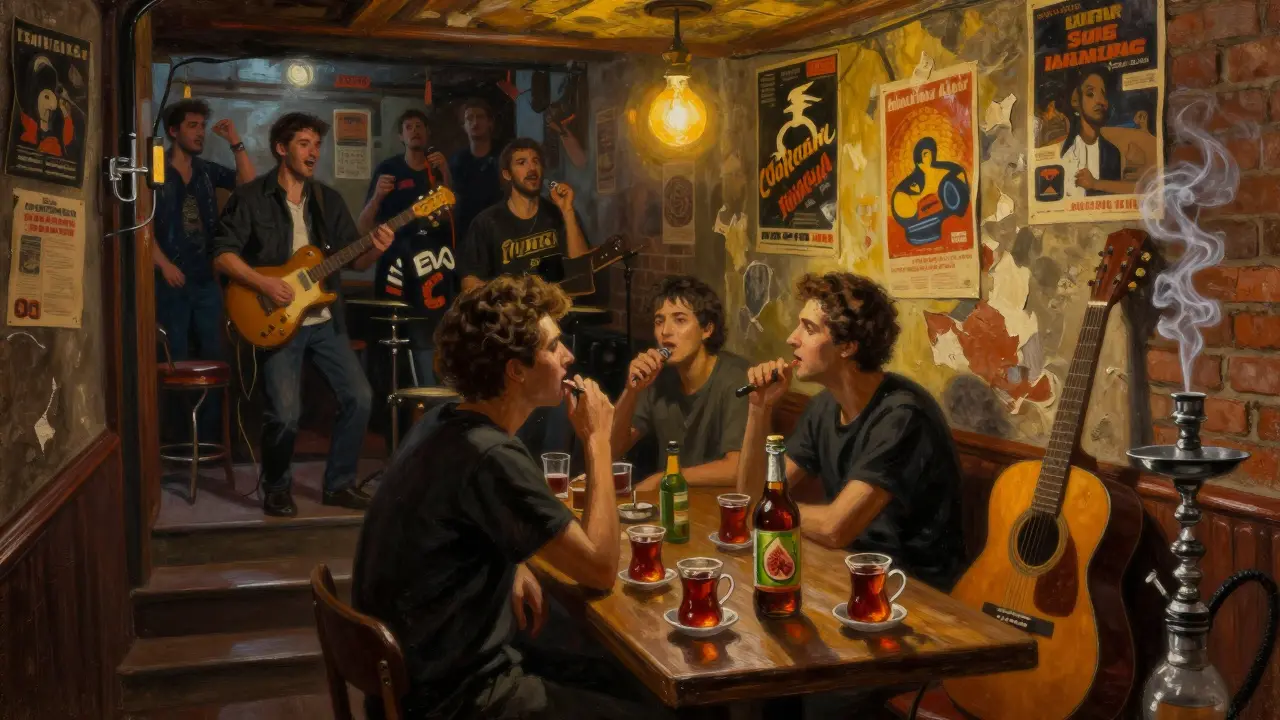
- Kadıköy: On the Asian side, this is where Istanbul’s indie scene thrives. Record shops double as bars. Punk bands play in basements. Çarşı is a cult favorite-no sign, no door, just a narrow staircase leading to a room full of people singing along to 90s Turkish rock. Locals call it the city’s last true underground.
- Beşiktaş: The student quarter. Cheap beer, loud reggae, and karaoke nights that start at 10 p.m. and end when the sun comes up. Yıldız Bar has a backroom where you can play backgammon with a group of retired professors who still argue about the 1980 coup.
What You’ll Actually Drink (And Why)
You can get a mojito anywhere now. But to understand Istanbul’s night, you need to know what the locals drink.
- Raki: The national spirit. Often called "lion’s milk," it turns cloudy when mixed with water. Served with meze-small plates of grilled octopus, cheese, and eggplant dip. It’s not just a drink; it’s a ritual. People sip slowly, talk for hours, and never rush. A single bottle can last an entire evening.
- Wine: Turkey has one of the oldest winemaking traditions in the world. The Aegean region produces bold reds from the Narince grape, while Cappadocia’s volcanic soil gives birth to crisp whites. Many bars now feature Turkish wines by the glass, often priced lower than imported bottles.
- Çay: Tea isn’t just for daytime. In the early hours, after the clubs close, you’ll find groups of friends sitting on stools outside 24-hour tea houses, drinking strong black tea from small tulip-shaped glasses. It’s the unofficial after-party.
- Beer: Efes is the local brand, but craft beer is growing fast. Look for İstanbul Craft Beer or Boğaziçi-both brew IPAs with figs, sumac, or even rose petals. They’re not on every menu, but ask the bartender. They’ll know.
When to Go, and When to Avoid
Timing matters. Istanbul’s nightlife shifts with the seasons and the week.
- Thursday to Saturday: The peak. Clubs like Kasa and Barış get packed after midnight. Lines form. Bouncers check IDs. Dress smart. This is when the city feels electric.
- Monday to Wednesday: The hidden gems. Bars are quieter. Musicians play live sets. You can actually talk to someone. Many venues offer half-price drinks during these nights to draw in locals.
- Ramadan: The city slows down. Bars close earlier. Alcohol sales stop after 10 p.m. in many areas. But the spiritual energy doesn’t vanish-it moves. Sufi whirling dervishes perform in historic mosques after iftar. Some bars turn into poetry readings. The night becomes quieter, deeper.
- Summer: Rooftops open. The breeze off the Bosphorus is cool. Leb-i Derya and 2105 become the go-to spots. Bring a light jacket-wind picks up after midnight.
- Winter: It’s cold, but the nightlife thrives. Indoor jazz clubs, underground techno dens, and heated garden bars with fire pits fill the gaps. Locals say winter nights are the most authentic. Fewer tourists. More soul.
Rules You Won’t Find in Guidebooks
There are no official rules, but there are unwritten codes.
- Don’t order a vodka soda. No one does. It’s not a snob thing-it’s cultural. If you want something strong, go for raki. If you want something light, try ayran or a local beer.
- Tip quietly. Tipping isn’t expected, but if you want to show appreciation, leave the change on the table. Don’t hand cash to the waiter. It feels awkward.
- Don’t ask for the "party district." Everyone says Beyoğlu, but the real magic is in the alleys. Ask a bartender where *they* go after their shift. They’ll give you a name you won’t find on Google Maps.
- Respect the silence. Some bars have no music. Some have only live instruments. Don’t talk over a ney player. Don’t take photos without asking. This isn’t a nightclub-it’s a shared space.
- Leave your phone in your pocket. The best nights are the ones you don’t post. You’ll remember the taste of the raki, the way the streetlight caught the smoke from the hookah, the stranger who told you about their grandmother’s recipe for stuffed grape leaves. Those moments don’t need filters.
What’s Changed-and What Never Will
Over the last decade, Istanbul’s nightlife has faced pressure. Curfews have returned. Some venues have been shut down for "public order." Foreign investors have bought up historic buildings and turned them into luxury lounges. The city feels more polished. More controlled.
But the soul remains. In the back room of a 120-year-old Ottoman mansion turned jazz bar, a 78-year-old pianist still plays the same tune he learned in 1968. In Kadıköy, a 19-year-old student runs a DIY club in a former printing press, charging 10 lira for entry and serving tea in mugs. In Beyoğlu, a Turkish drag queen named Zeynep performs every Friday to a crowd of 200 people-students, grandmothers, tourists, and exiles-all dancing like no one’s watching.
That’s Istanbul’s nightlife. Not the Instagram post. Not the headline. But the quiet rebellion of people choosing joy, connection, and music-even when the world tells them not to.
Is Istanbul nightlife safe for solo travelers?
Yes, but with awareness. Istanbul is generally safe at night, especially in popular areas like Beyoğlu and Kadıköy. Stick to well-lit streets, avoid empty alleys after 2 a.m., and don’t carry large amounts of cash. Most bartenders and club staff will help if you seem lost. The biggest risk isn’t crime-it’s getting too caught up in the moment and missing the last ferry or metro.
Do I need to speak Turkish to enjoy the nightlife?
No, but a few phrases go a long way. Saying "Teşekkür ederim" (thank you) or "Lütfen bir raki lütfen" (please, one raki) earns smiles. Many bartenders in tourist areas speak English. But in local spots like Çarşı or Yıldız Bar, a little effort opens doors. Locals appreciate the attempt-even if your pronunciation is bad.
What’s the dress code for Istanbul clubs?
It depends. In places like Reina or 2105, smart casual is expected-no flip-flops, no shorts. In Beyoğlu’s hidden bars or Kadıköy’s underground spots, jeans and a good shirt are fine. Some jazz clubs even encourage vintage styles. When in doubt, dress a little nicer than you think you need to. It’s not about wealth-it’s about respect.
Are there vegan or vegetarian options in Istanbul nightlife?
Absolutely. Turkish cuisine is naturally plant-forward. Meze platters with hummus, stuffed peppers, eggplant salad, and lentil soup are common. Many bars now offer vegan raki pairings. In Kadıköy, Vegetarian Bar serves full meals alongside cocktails. Even in upscale spots, ask for "vejeteryen meze"-you’ll get a plate of seasonal veggies, herbs, and nuts.
How late do places stay open?
Most bars close between 2 and 4 a.m., but 24-hour tea houses and some jazz clubs stay open until sunrise. Clubs like Kasa or Barış may run until 5 or 6 a.m. on weekends. The last ferries run until 1 a.m., so plan your return. Many locals just walk home-or take a taxi. Don’t rely on public transport after midnight.