Five years ago, Istanbul’s nightlife felt like it was stuck in a loop-same DJ sets, same crowd, same places where the music drowned out conversation. But something changed. Not with a bang, but with a slow, steady pulse. By 2025, the city’s after-dark scene isn’t just alive-it’s reinventing itself. You don’t need to hunt for hidden doors or whisper passwords anymore. The new wave is open, loud, and unapologetically local.
Where the Old Meets the New
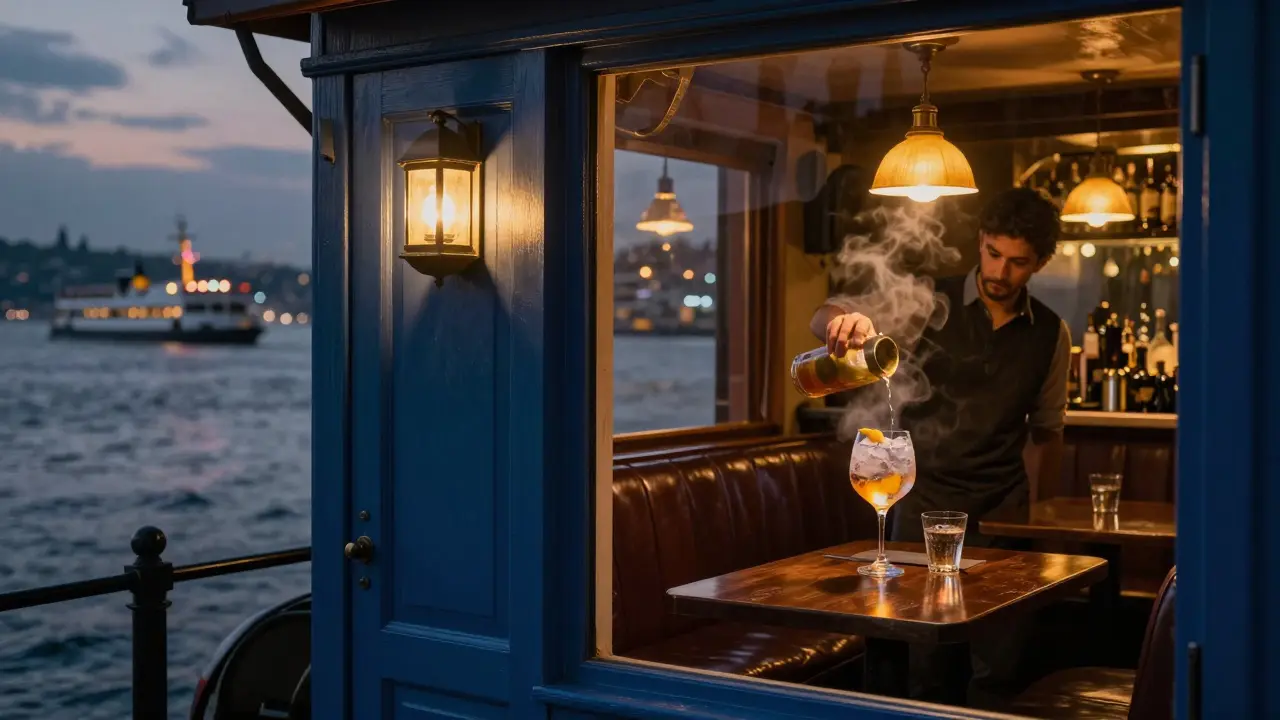
İstiklal Avenue still buzzes, but the real energy has shifted. Walk down to the banks of the Bosphorus near Karaköy, and you’ll find Bar 1919. It doesn’t look like much from the street-a faded blue door, a single lantern. Inside, it’s all brass lamps, leather booths, and a cocktail list that reads like a love letter to Ottoman spices. Their saffron-infused gin tonic? Made with local honey from the Black Sea coast. No imported syrups. No gimmicks. Just flavor that lingers.
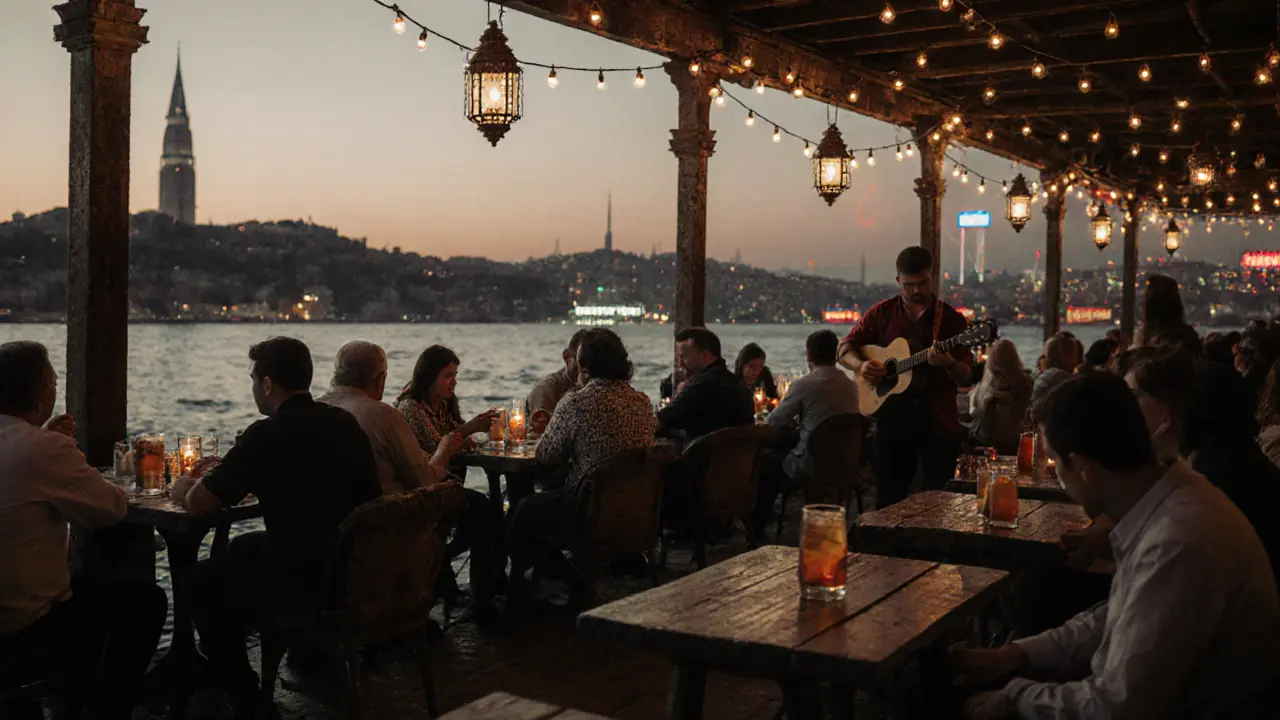
Down the hill, Levante opened in early 2024 and instantly became the spot for artists, writers, and designers. The music? A mix of Turkish folk remixes, Lebanese electronica, and Detroit techno. No cover charge until midnight. The bartender remembers your name. And the terrace? It’s the only place in the city where you can watch the moon rise over the Golden Horn while sipping a glass of raki made from apricot instead of anise.
Rooftops That Don’t Feel Like Tourist Traps
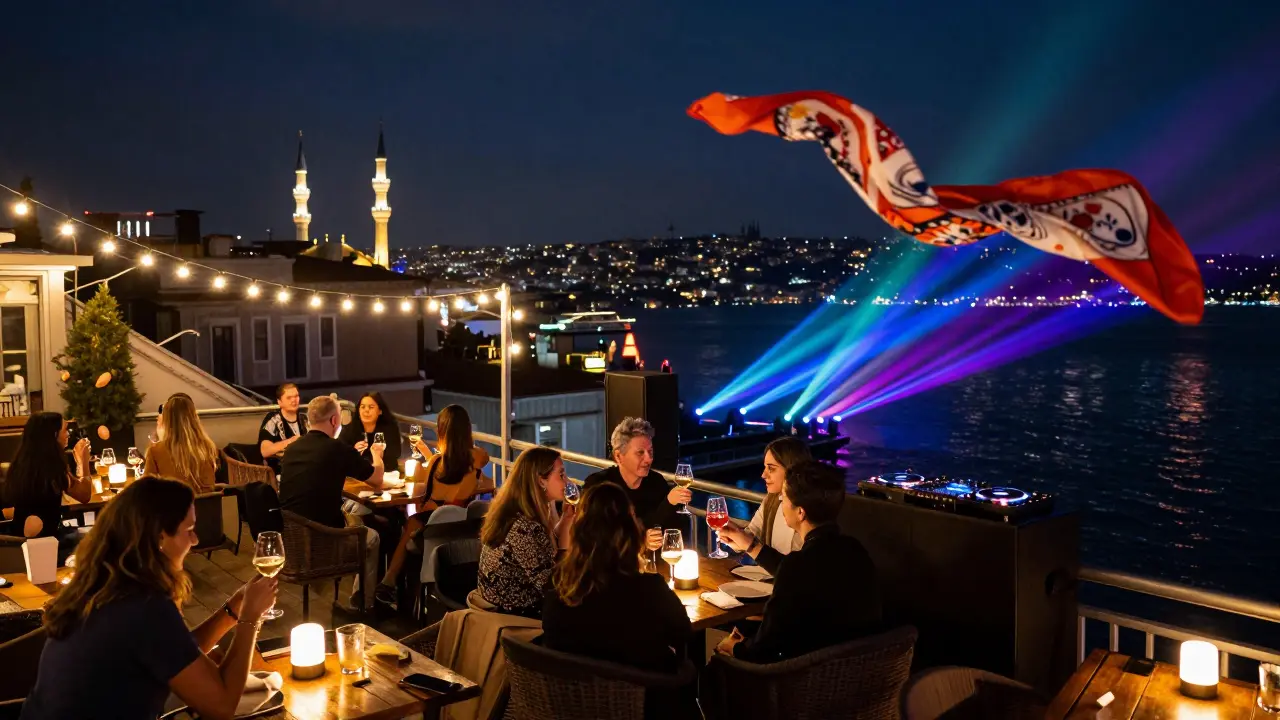
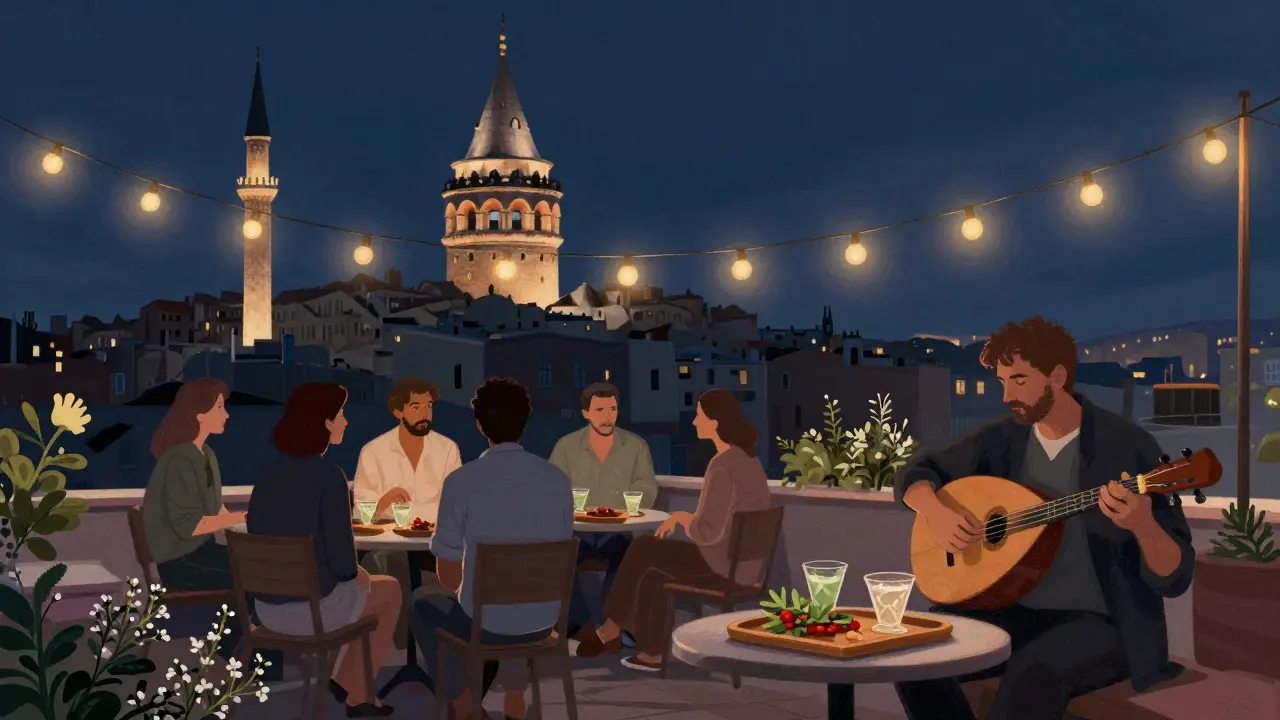
Rooftop bars used to mean overpriced champagne and people posing for selfies. Not anymore. Seven Hills, perched above the historic district of Fener, opened in late 2024 with one rule: no photos of the view. You can still see it-every window framed by centuries-old minarets and the silhouette of the Galata Tower. But the focus? The music. Live oud players, not DJs. The cocktails? Crafted with wild thyme and sumac. And the crowd? Locals who’ve lived here their whole lives.
At Cloud Nine, on the top floor of a converted 1920s textile warehouse, the vibe is more intimate. No neon signs. No velvet ropes. Just a small group of people, low lighting, and a rotating playlist curated by a different Istanbul-based musician every Friday. The drinks? Simple. A glass of local white wine, chilled to exactly 8°C. That’s it. No fruit garnishes. No sugar rims. Just the taste of the Aegean.
Clubs That Don’t Sound Like Every Other City
Forget the generic house beats you hear in Berlin or Miami. Istanbul’s new clubs are building their own sound. Yalı, tucked into a former fishing shed in Bebek, plays nothing but Turkish psychedelic rock from the 70s-remastered, remixed, and slowed down just enough to make you sway. The floor? Concrete. The lighting? Flickering bulbs strung across the ceiling. No VIP section. No bottle service. Just people dancing like no one’s watching.
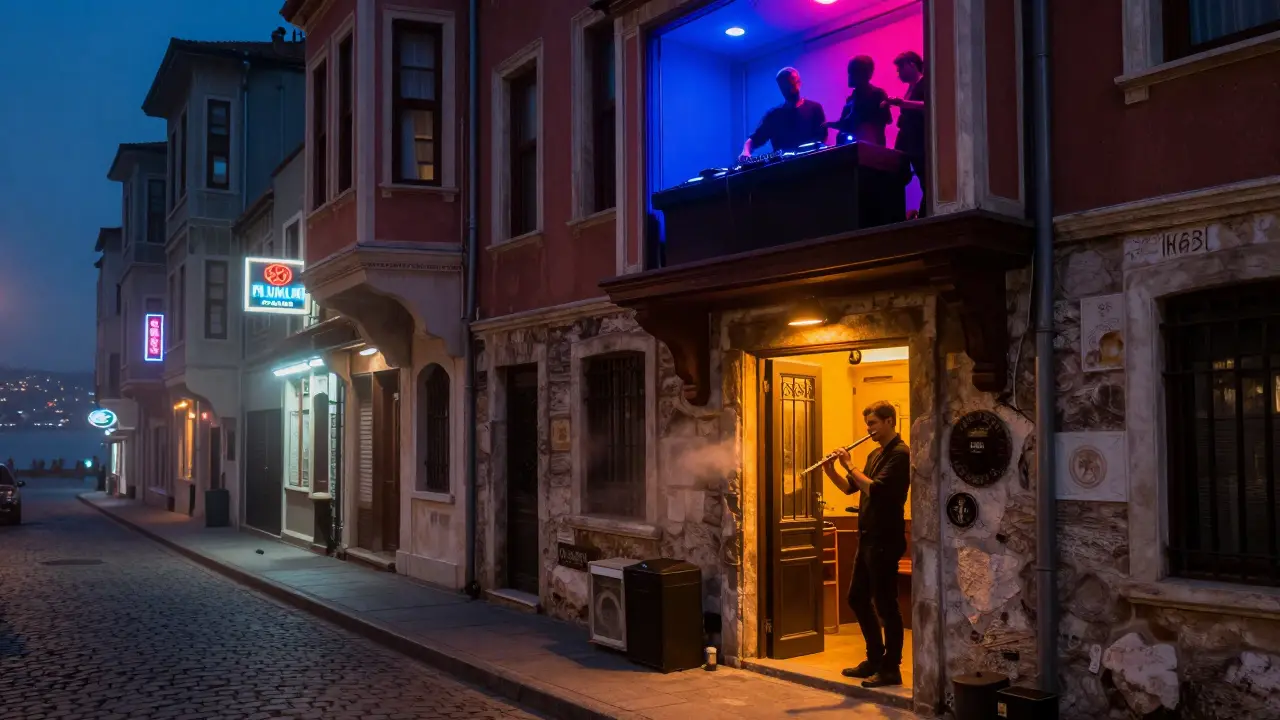
Then there’s Altın, a basement club under a traditional Turkish tea house in Kadıköy. It opened in March 2025 and has already been featured in Resident Advisor. The sound system? Built by a local engineer using recycled car speakers. The DJs? All women from Anatolia. The playlist? A blend of Kurdish folk rhythms, Sufi drumming, and ambient synth. You won’t find this anywhere else. Not even in Ankara.
Hidden Gems You Won’t Find on Google Maps
Some spots still fly under the radar. Deniz is a floating bar on a wooden boat moored near the Princes’ Islands. It’s only open on weekends, and you need to book a spot via WhatsApp. No website. No Instagram. Just a number. The drinks are served in ceramic cups. The music? A single speaker playing old Turkish pop from the 80s. People come here to talk. To forget. To remember.
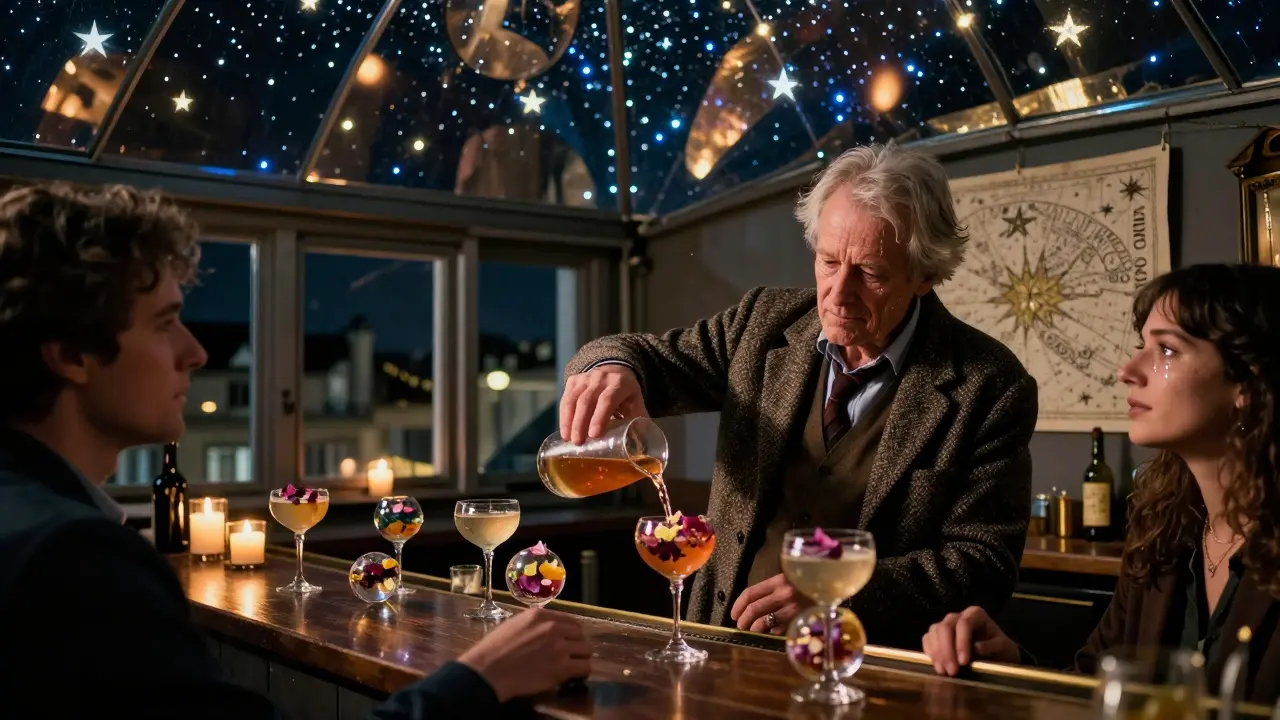
Then there’s Yeni, a speakeasy inside a 150-year-old Armenian bakery in Beyoğlu. You enter through the flour sack storage room. The bartender, a former jazz pianist from Izmir, mixes drinks using ingredients from his grandmother’s garden: dried mulberries, rosewater, and wild mint. The only rule? No phones at the table. You’re here to taste, not to post.
What’s Different Now?
It’s not just about the places. It’s about the people. The new generation of Istanbul nightlife isn’t chasing trends. They’re reclaiming culture. A bartender doesn’t need to know how to make a Moscow Mule if they can explain why the local fig brandy tastes like autumn. A DJ doesn’t need a fancy controller if they can make you feel the rhythm of a dervish ceremony.
And the rules? They’ve changed. No more 2 a.m. curfews enforced by bouncers. No more dress codes that require heels and ties. The city’s nightlife now follows one unspoken rule: be yourself. Or don’t come at all.
When to Go
Weekends are still busy, but Tuesday and Wednesday nights are where the magic happens. Most new spots open at 9 p.m., but the real energy doesn’t kick in until 11. By 1 a.m., the crowd thins. The music gets deeper. The conversations get real. That’s when you’ll hear someone say, "This is why I never left Istanbul."
If you’re planning a trip, aim for late April through early June, or September to November. The weather is perfect. The streets aren’t packed with tourists. And the locals? They’re actually home.

What to Wear
Leave the clubwear at home. No one cares if you’re wearing designer sneakers or ripped jeans. What matters is comfort. Lightweight layers work best-nights on the Bosphorus can get chilly, even in summer. A scarf or light jacket is enough. And skip the perfume. The scent of grilled fish, rosewater, and wet stone from the waterfront is all the atmosphere you need.
How to Get Around
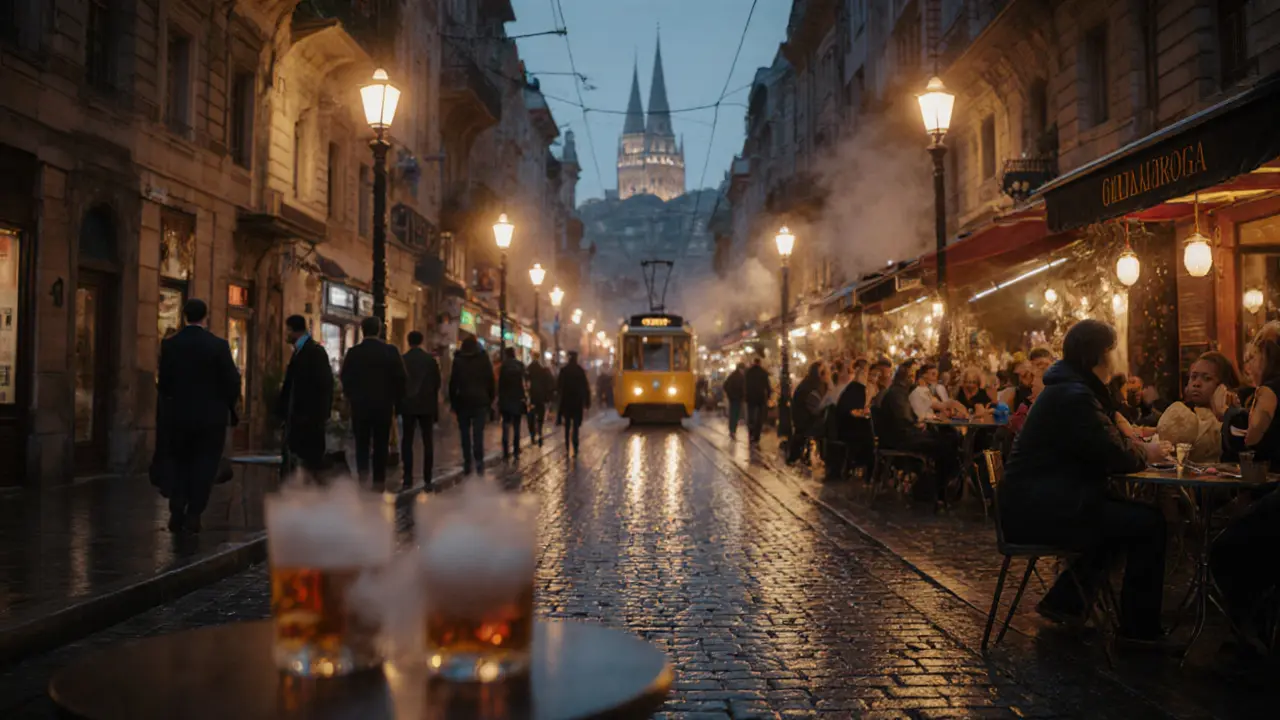
Uber and BiTaksi are reliable, but the real way to experience the night is by ferry. The last ferry from Karaköy to Kadıköy runs until 1 a.m. It costs 12 Turkish lira. You’ll see couples kissing on the deck, old men playing backgammon, and teenagers laughing over shared baklava. It’s the heartbeat of the city after dark.
Are Istanbul’s new nightlife spots safe for tourists?
Yes, absolutely. The new wave of venues prioritizes safety and community. Most are in well-lit, walkable neighborhoods like Karaköy, Beyoğlu, and Kadıköy. Security is handled quietly-no aggressive bouncers, just trained staff who know the regulars. Stick to the places locals recommend, and you’ll be fine. Avoid isolated alleys after 2 a.m., but the main strips are as safe as any major European city.
Do I need to make reservations?
For the big names like Seven Hills or Levante, yes-especially on weekends. But many of the hidden spots don’t take bookings. That’s part of the charm. If a place doesn’t have a website or Instagram, just show up around 9:30 p.m. You’ll usually find a seat. The best spots often fill up by 11, but that’s when the real vibe begins.
Is Istanbul’s nightlife expensive?
Not anymore. A cocktail at a new bar costs between 120 and 200 Turkish lira-about $4 to $7. At Yalı or Deniz, you can drink for under 100 lira. Even at the trendiest rooftop spots, a beer is rarely more than 150 lira. Compared to London or Paris, it’s a steal. The real cost? Time. You’ll want to stay late.
Are there any places that play English music?
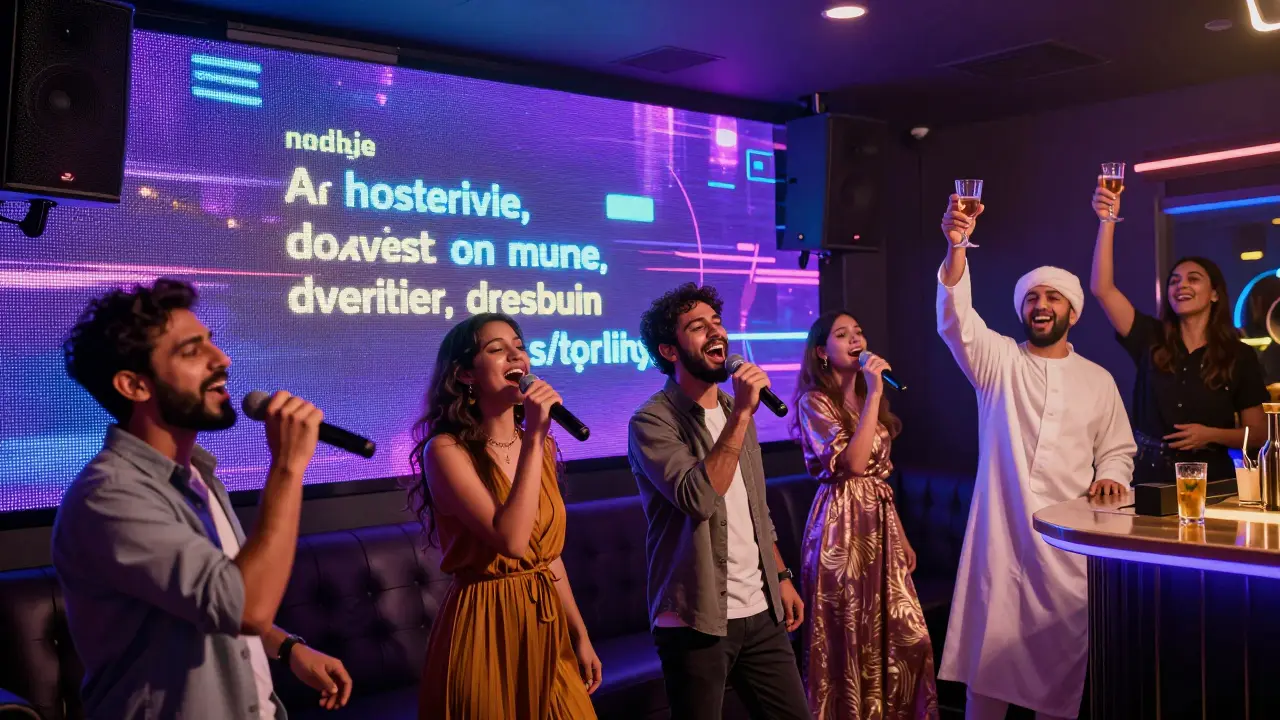
You’ll find it, but it’s rare. Most new venues intentionally avoid mainstream Western hits. They’re proud of their roots. If you’re looking for EDM or pop, stick to the older clubs near Taksim. But if you want something unforgettable-something that feels like Istanbul-go where the local DJs play. You’ll hear more soul in one Turkish folk remix than in ten hours of club playlists from abroad.
Can I visit these spots if I don’t speak Turkish?
Easily. Most staff in the newer venues speak fluent English, especially in Karaköy and Beyoğlu. Menus often have English translations. And if you’re lost? Just smile, point to your drink, and say "Teşekkür ederim"-thank you. Locals appreciate the effort. You don’t need to speak the language to feel at home here.
What Comes Next?
The next chapter? A music label launching in 2026 to record and distribute Istanbul’s underground sounds globally. A collective of female bartenders opening a training school for cocktail craft using only local ingredients. A ferry line that runs all night on weekends, connecting the city’s most vibrant neighborhoods.
Istanbul’s nightlife isn’t just growing. It’s becoming its own language. And you don’t need to be fluent to understand it. Just show up. Listen. Taste. Let the night guide you.