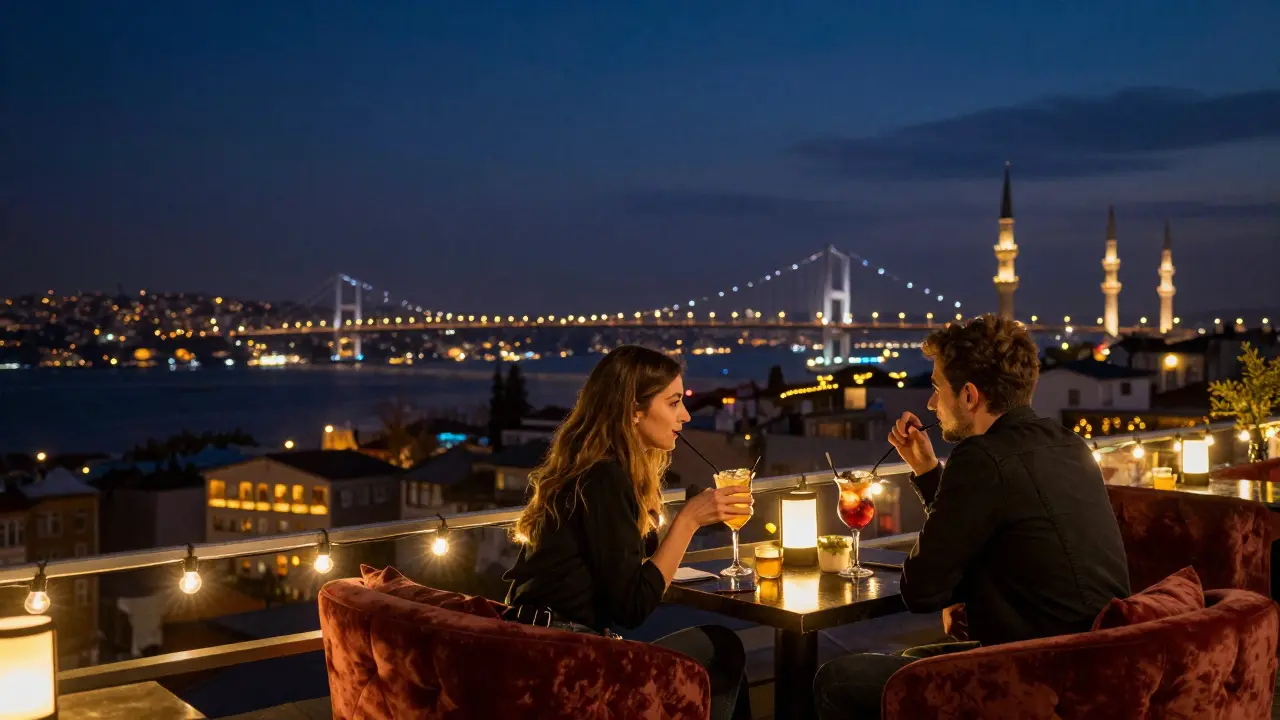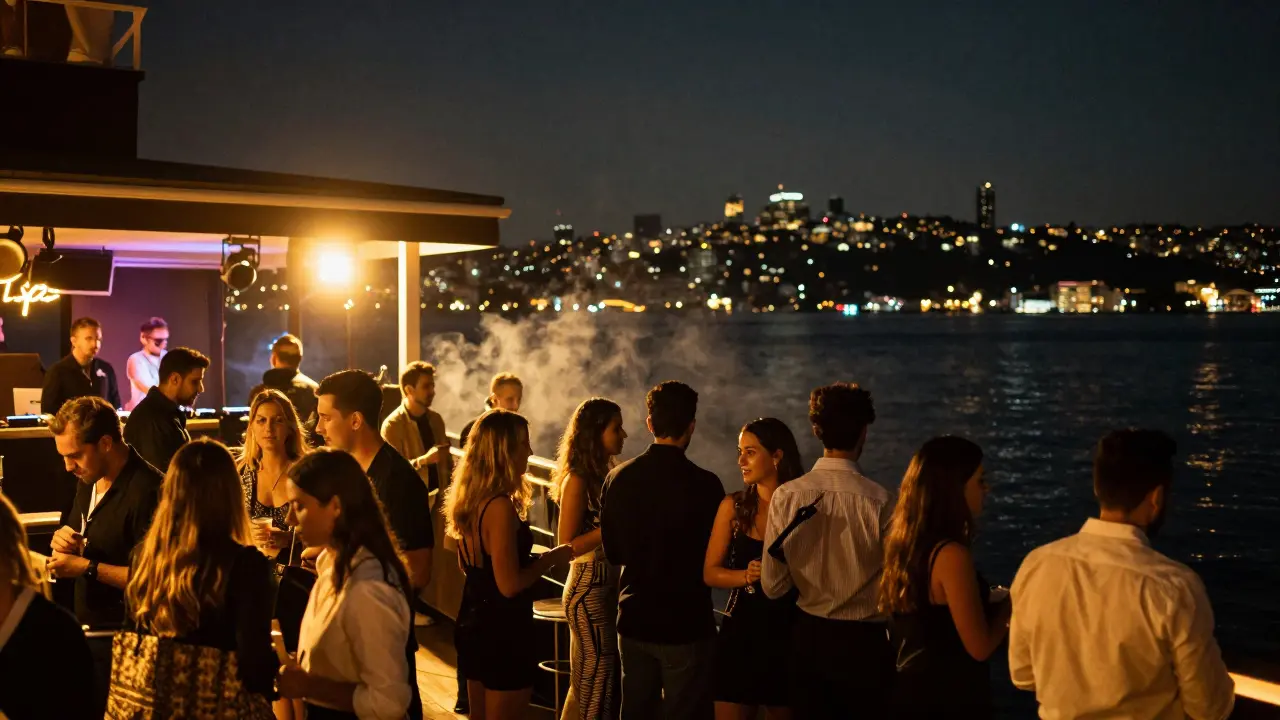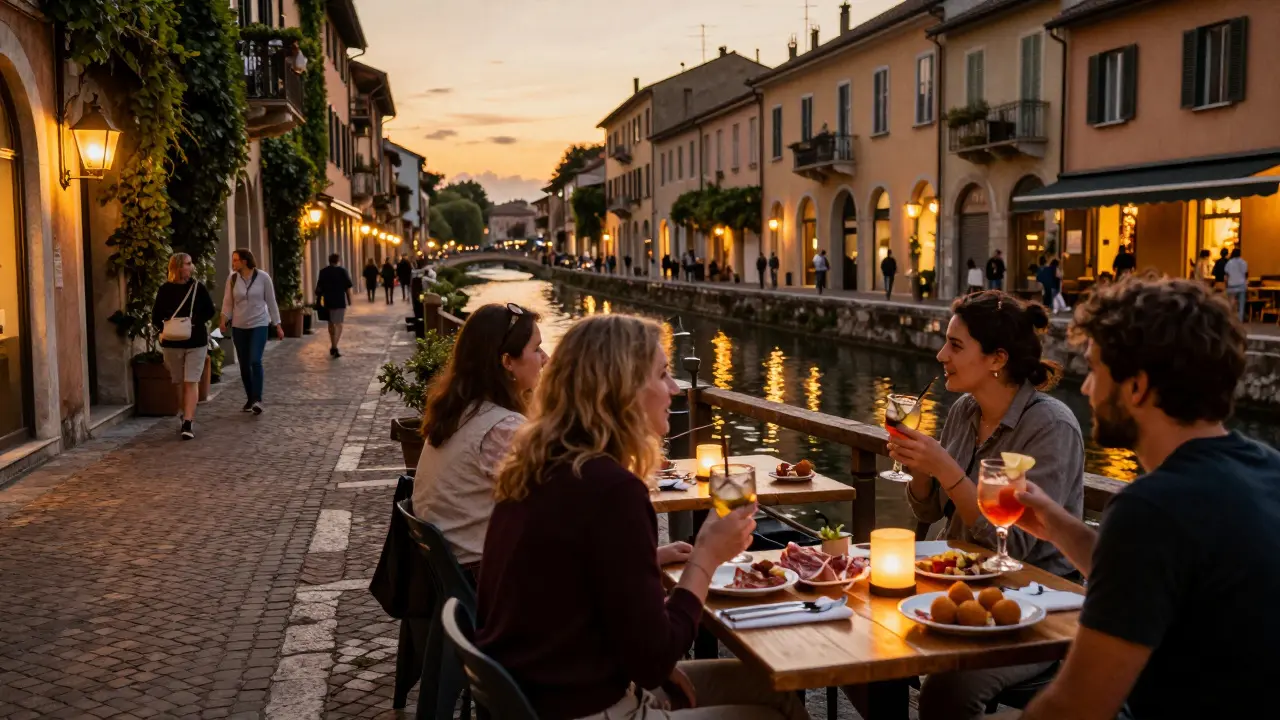
When the sun sets over Milan, the city doesn’t sleep-it transforms. Forget the daytime hustle of fashion shows and historic piazzas. At night, Milan becomes a pulsing, stylish, and surprisingly diverse playground for locals and visitors alike. This isn’t just another European city with a few trendy bars. Milan’s nightlife is a layered experience, shaped by centuries of culture, a love for fine food, and an unshakable sense of style. Whether you’re here for a quick weekend or a longer stay, knowing where to go and when to go can turn an ordinary night into something unforgettable.
Start with the Aperitivo Ritual
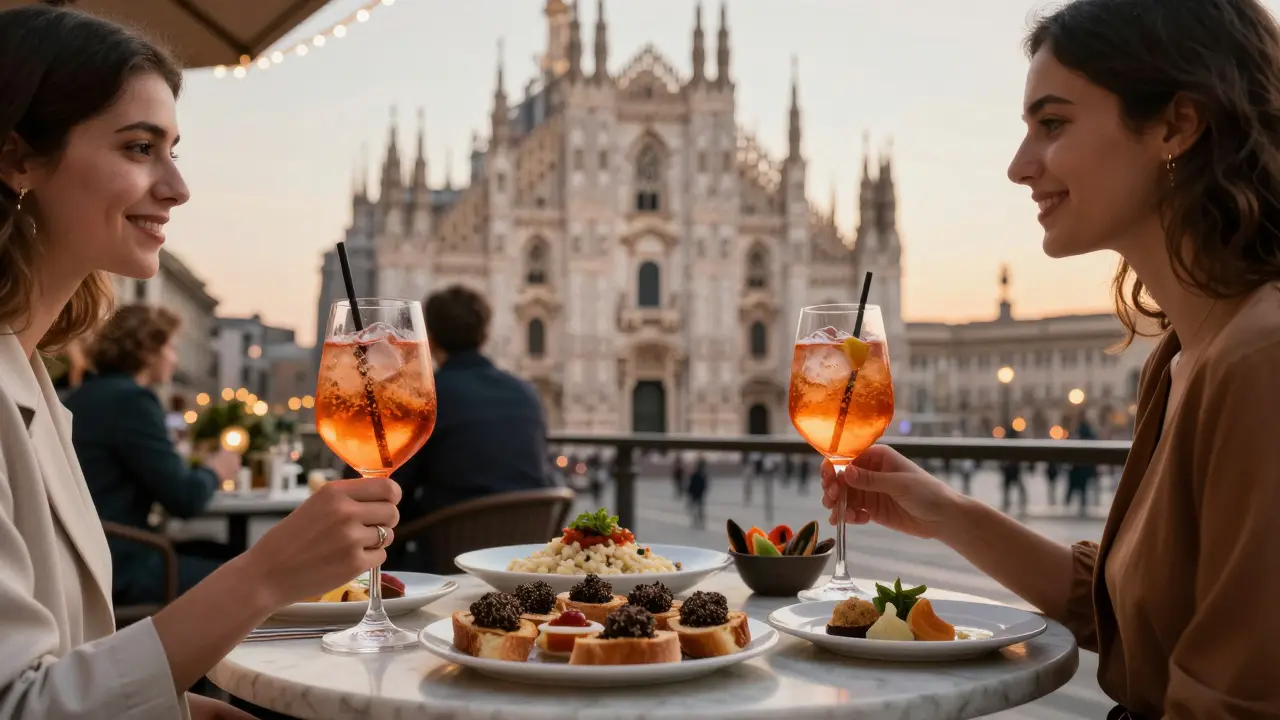
Before you even think about dancing, you need to understand the aperitivo. It’s not just a drink. It’s a social institution. Around 7 p.m., Milanese flood into bars across the city, especially in Brera, Navigli, and Porta Venezia. For €10-€15, you get a cocktail-usually a Spritz, Negroni, or Americano-and a buffet of snacks that rivals a small dinner. Think cured meats, fresh cheeses, arancini, mini panini, and even warm pasta dishes. This isn’t a happy hour. It’s a ritual. Locals treat it like a pre-dinner gathering, and you should too. Skip the tourist traps near Duomo. Head to Bar Basso for the original Negroni Sbagliato, or Alchimista in Brera for a creative twist on classics. The vibe? Relaxed, elegant, and full of people who know how to enjoy life.
Where the Locals Go: Navigli and Brera
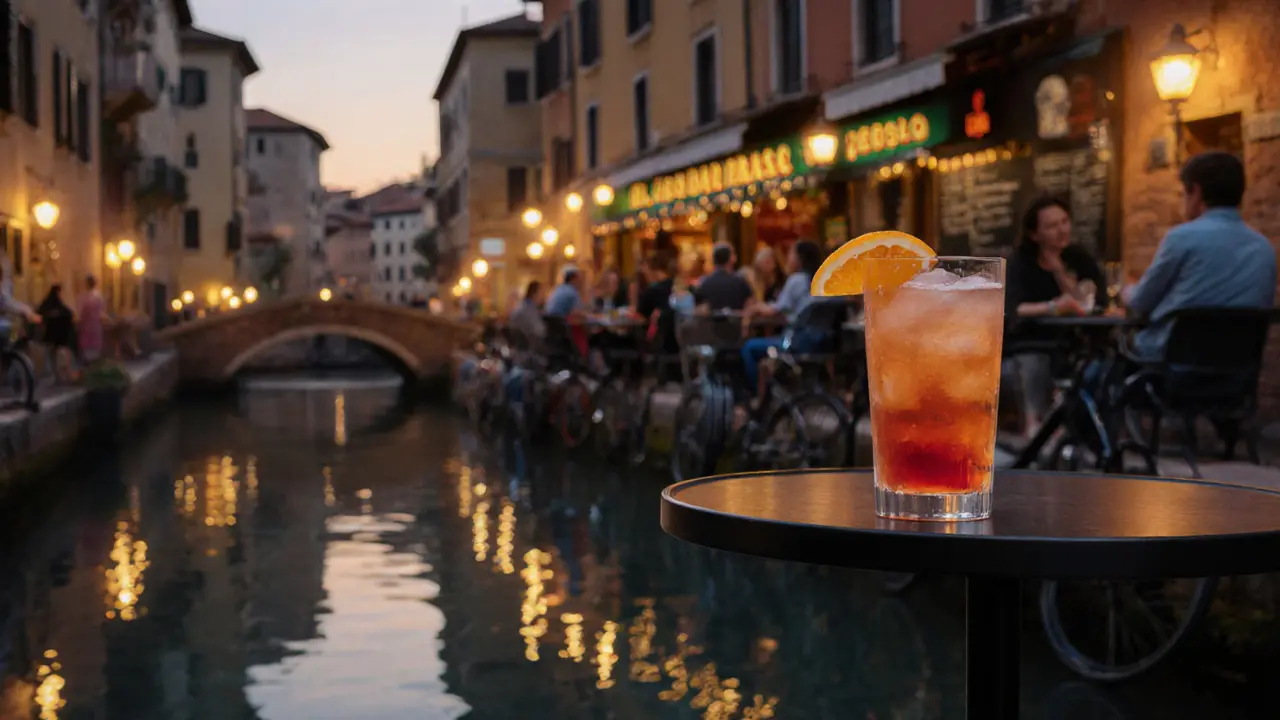
Two districts dominate Milan’s authentic nightlife: Navigli and Brera. Navigli, with its canal-side bars and lantern-lit alleys, feels like a scene from a movie. On Friday and Saturday nights, the stretch between Via Tortona and Via della Chiesa Rossa turns into a walking party. You’ll find jazz clubs, craft beer spots, and rooftop lounges with views of the water. Bar Basso is legendary, but try La Cucina di Navigli for live acoustic sets and wine by the bottle. The crowd here is a mix of artists, designers, and young professionals-no suits, no pretense.
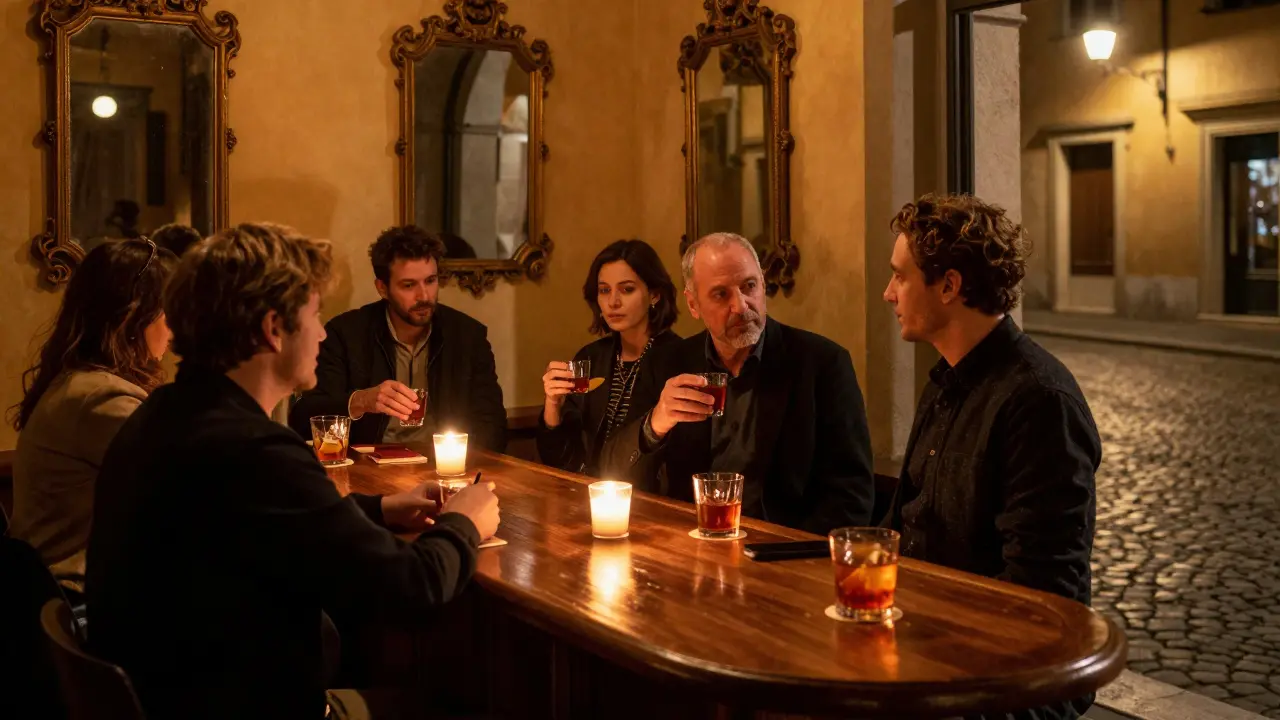
Brera, on the other hand, is quieter, more intimate. Its narrow streets are lined with wine bars and cocktail lounges where conversation matters more than music. Alchimista is the place to go if you want a bartender who treats mixology like art. Their menu changes monthly, and they’ll ask you what flavors you like before crafting something unique. It’s not loud. It’s not crowded. But it’s where Milan’s most discerning night owls unwind.
The Club Scene: From Underground to Glamour
If you’re ready to dance, Milan’s club scene delivers. The city has two distinct sides: high-end glamour and gritty underground. For the former, head to La Scala-yes, the same name as the opera house, but this is a nightclub with velvet ropes and designer dress codes. It’s packed with models, influencers, and international guests. Entry after midnight is strict, and you’ll need to book ahead. The music? House, techno, and occasional live DJs from Berlin or Ibiza.
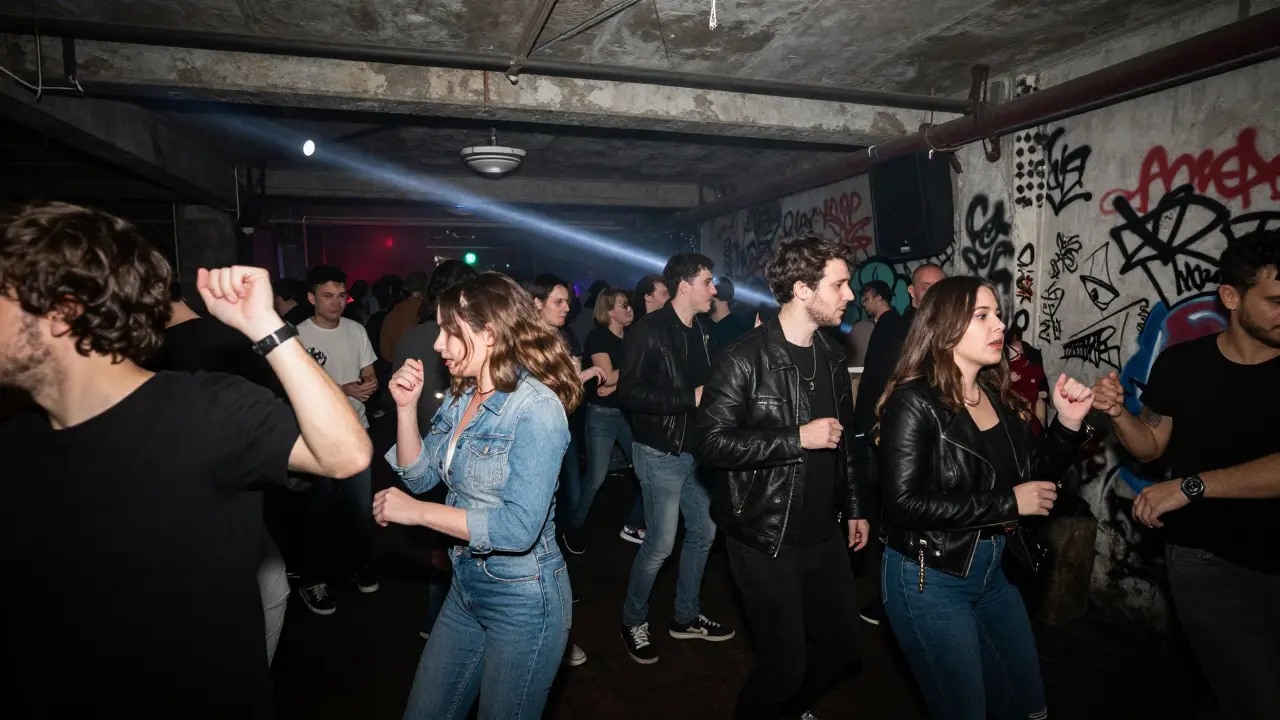
For something rawer, go to Alcatraz in the Porta Romana area. This former industrial space has been a cult favorite since the 90s. No fancy lighting, no velvet chairs-just pulsing bass, a loyal crowd, and a vibe that feels like a secret. It opens at 1 a.m. and doesn’t close until 6 a.m. No one checks your ID twice. No one cares if you’re wearing jeans. This is where Milan’s real electronic music scene thrives.
Hidden Gems and Unexpected Spots
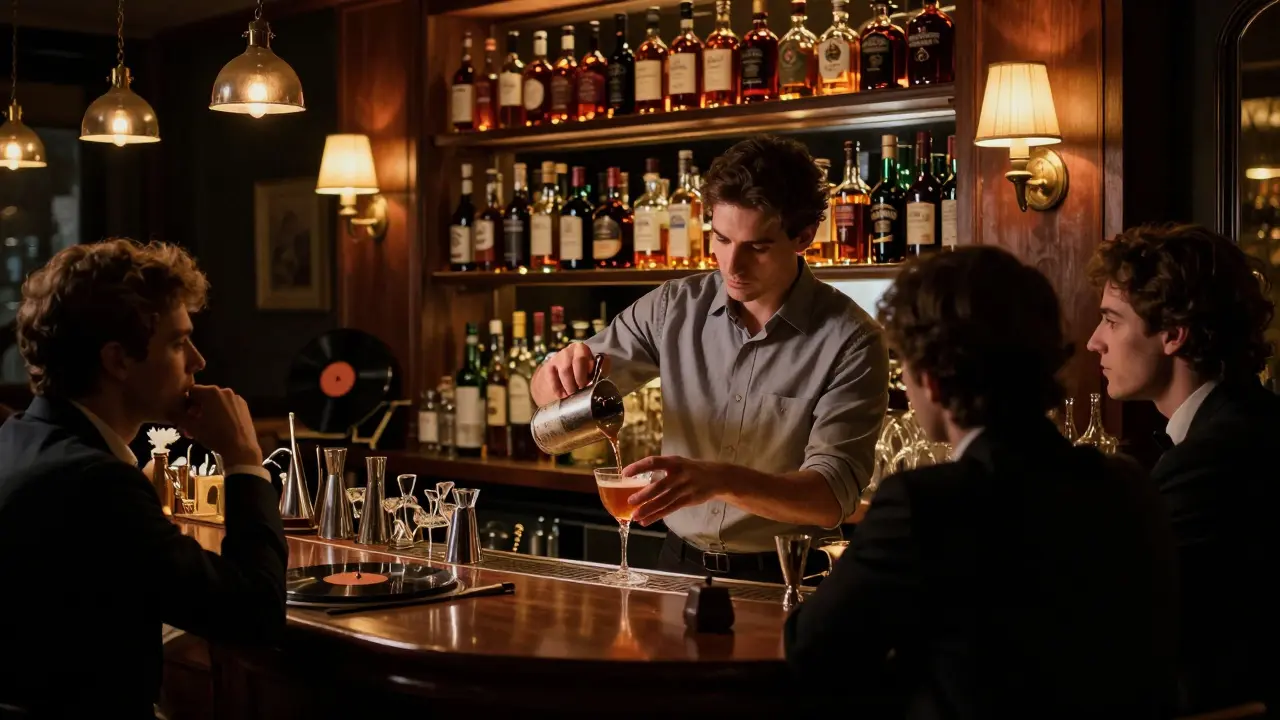
Beyond the usual spots, Milan hides some of its best nights in plain sight. Le Jour is a speakeasy-style bar behind an unmarked door in the Zona Tortona district. You need a password (ask your hotel concierge or check their Instagram). Inside, it’s dim, cozy, and full of jazz records and vintage cocktails. Then there’s La Soffitta, a tiny rooftop bar above a bookstore in Porta Venezia. It’s only open on weekends, has no sign, and serves wine by the glass with views of the city skyline. You’ll find students, poets, and expats here-no tourists, no pressure.
Don’t miss Bar Luce, designed by Wes Anderson. It’s not a club, but it’s a must-see. The pastel walls, checkerboard floors, and 1950s aesthetic make it feel like stepping into a film. It’s open until midnight, and the espresso is perfect. Many come just to sit and watch the world go by.
What to Expect: Timing, Dress, and Rules
Milan doesn’t do late-night chaos like Berlin or London. It’s more about rhythm. Bars open around 7 p.m. for aperitivo. Clubs don’t fill up until after midnight. Most don’t close before 4 a.m., and a few go until 6. If you show up at 11 p.m., you’ll be the first one there.
Dress code? It matters. Milanese take style seriously. You don’t need a suit, but flip-flops and sweatpants will get you turned away from most clubs. Think clean, simple, and put-together: dark jeans, a well-fitted shirt, boots or loafers. Women often wear little black dresses or tailored jumpsuits. The rule is simple: look like you care, even if you’re just here for one night.
Also, cash is still king in many places. While credit cards work in big clubs and hotels, smaller bars and underground spots only take cash. Keep €20-€50 on you. And yes, tipping isn’t expected-but leaving a euro or two for good service is always appreciated.
When to Go: Seasonal Shifts in Milan’s Nightlife
Milan’s nightlife changes with the seasons. In spring and fall, the weather is mild, and outdoor terraces buzz with energy. Navigli’s canal-side spots are packed. Summer brings rooftop parties and open-air cinema nights. Winter? That’s when the indoor scene shines. Clubs get cozier, and cocktail bars turn up the heat with spiced drinks and live piano. December is magical-Christmas markets turn into night markets with mulled wine and jazz trios.
Don’t plan a night out in August. Most locals leave the city, and many venues close. Early September is when things come back to life. The real season runs from March to June and again from September to November.
How to Stay Safe and Enjoy It All
Milan is generally safe at night, especially in tourist-friendly zones. But like any big city, watch your belongings. Pickpockets operate near metro stations and crowded bars. Keep your phone and wallet tucked away. Stick to well-lit streets. If you’re heading to a club outside the center, take a taxi. Apps like Free Now or Bolt work reliably here.
Drink responsibly. The aperitivo culture encourages slow sipping, not binge drinking. You’ll find locals sipping one cocktail for two hours. That’s the rhythm. Match it. You’ll enjoy more, remember more, and avoid the awkward morning-after.
What’s Next After Milan?
Once you’ve experienced Milan’s night, you’ll realize it’s not just about partying. It’s about savoring moments-conversation over a perfect Negroni, music that moves you without shouting, the quiet thrill of finding a hidden bar no one told you about. If you want to keep going, nearby cities like Bologna and Turin have their own versions of this scene. But Milan? It’s the original. The one where style meets soul.
What time do clubs in Milan usually open and close?
Most clubs in Milan don’t start filling up until after midnight. They typically open around 12:30 a.m. and stay open until 4 a.m. or later. Some underground spots like Alcatraz go until 6 a.m. If you arrive before midnight, you’ll likely be the only one there. Aperitivo starts at 7 p.m., so plan your night around that rhythm.
Is there a dress code for nightlife in Milan?
Yes, especially at clubs and upscale bars. While you don’t need a suit, casual wear like jeans and a clean shirt is fine. Flip-flops, athletic wear, and overly casual outfits will get you denied entry at places like La Scala or Bar Basso. Women often wear little black dresses or tailored jumpsuits. Men should avoid hoodies and sneakers. The rule is simple: look polished, even if you’re not fancy.
What’s the best way to experience Milan’s nightlife on a budget?
Start with the aperitivo. For €10-€15, you get a drink and a full buffet of food-enough to cover dinner. Stick to Navigli and Brera for free-entry bars with great vibes. Skip the tourist-heavy spots near Duomo. Go to smaller places like La Soffitta or Le Jour, where the atmosphere is better and prices are lower. Avoid buying multiple cocktails-sip slowly and enjoy the experience, not the quantity.
Are there any quiet bars in Milan for conversation?
Absolutely. Brera is your best bet. Places like Alchimista and Bar Luce are perfect for quiet chats. They have low lighting, soft music, and no loud speakers. Le Jour, the speakeasy, is also ideal-just 15 seats, jazz on vinyl, and a bartender who’ll recommend drinks based on your taste. These spots are meant for lingering, not dancing.
What’s the difference between aperitivo and happy hour?
Happy hour is just a discount on drinks. Aperitivo is a full cultural ritual. You pay a fixed price (usually €10-€15), get a cocktail, and then help yourself to a buffet of food-sometimes even hot dishes. It’s not about saving money; it’s about socializing, savoring, and slowing down. Locals treat it as part of their evening routine, not a deal. It’s dinner before dinner.