When the sun sets in Milan, the city doesn’t sleep - it transforms. Forget the quiet elegance of daytime fashion shows and historic cathedrals. At night, Milan becomes a pulsing, stylish, and surprisingly diverse party hub. This isn’t just about sipping Aperol spritzes on a terrace. This is about underground techno dens, rooftop lounges with skyline views, and old-school wine bars where locals dance until dawn. If you’re wondering where to start, here’s the real deal - no fluff, no tourist traps, just what actually happens after dark in Milan.
Brera: Where the Crowd Starts
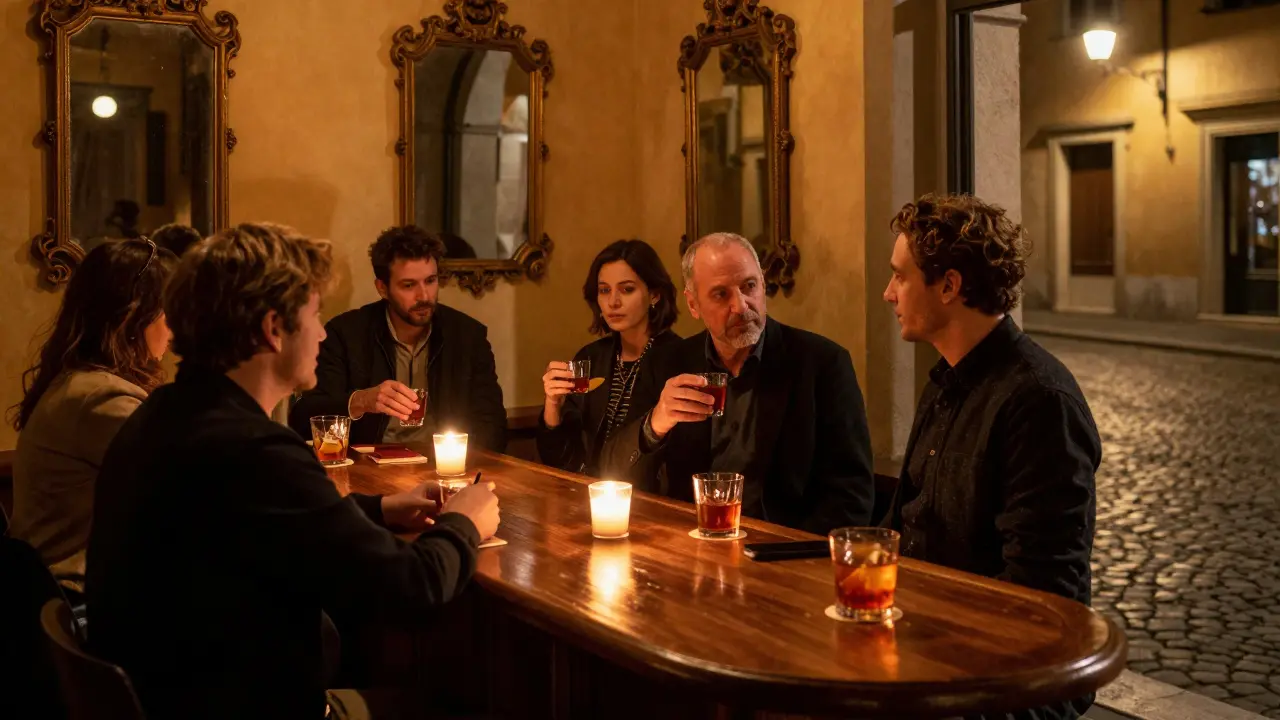
Brera is the neighborhood that sets the tone. It’s charming by day, but at night, it turns into a maze of candlelit bars and live jazz spots. Locals here don’t go out to be seen - they go out to talk, laugh, and linger. Start at Bar Basso, the birthplace of the Negroni Sbagliato. It’s small, unassuming, and always packed. You’ll find architects, artists, and Milanese grandmas all sharing the same bar stool. Don’t expect a DJ. Expect a conversation that lasts three hours.
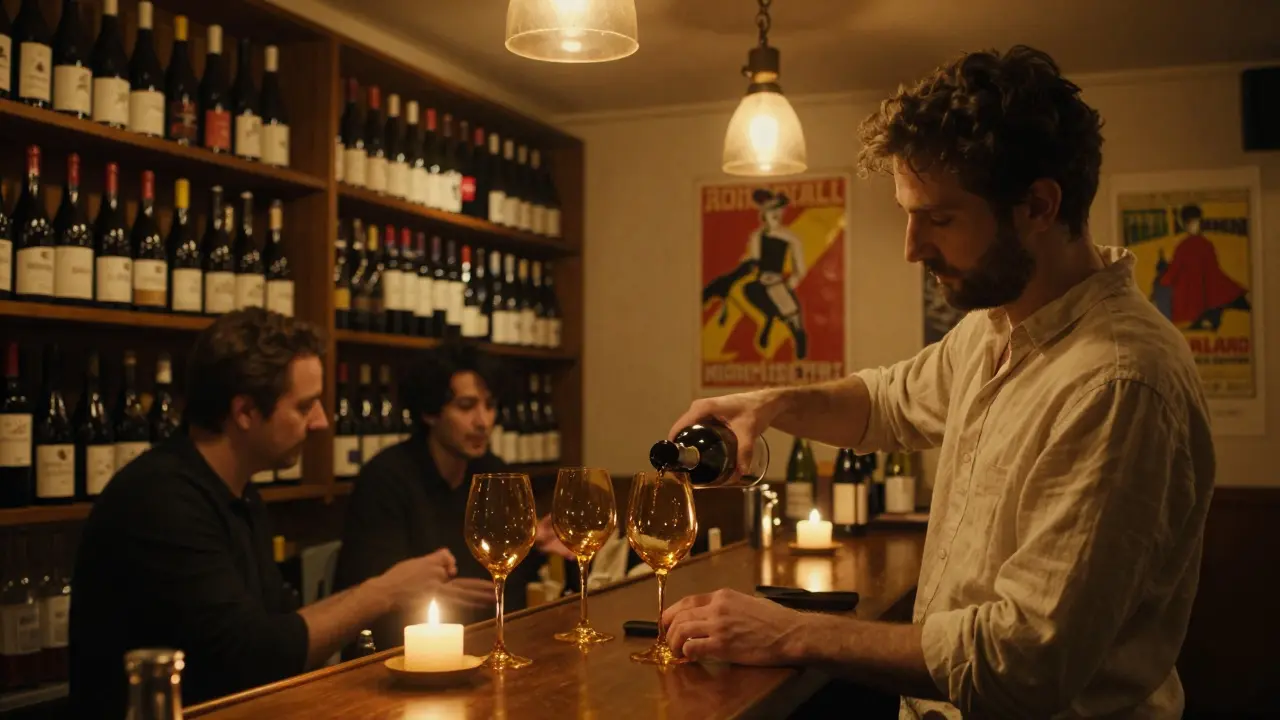
From there, wander down Via Brera. You’ll pass La Sala, a wine bar with 800 bottles and zero pretension. The staff will ask what you’re in the mood for - fruity? earthy? bold? - and pour you a taste before you commit. It’s not a club. It’s a ritual.
Navigli: Canals, Cocktails, and Chaos
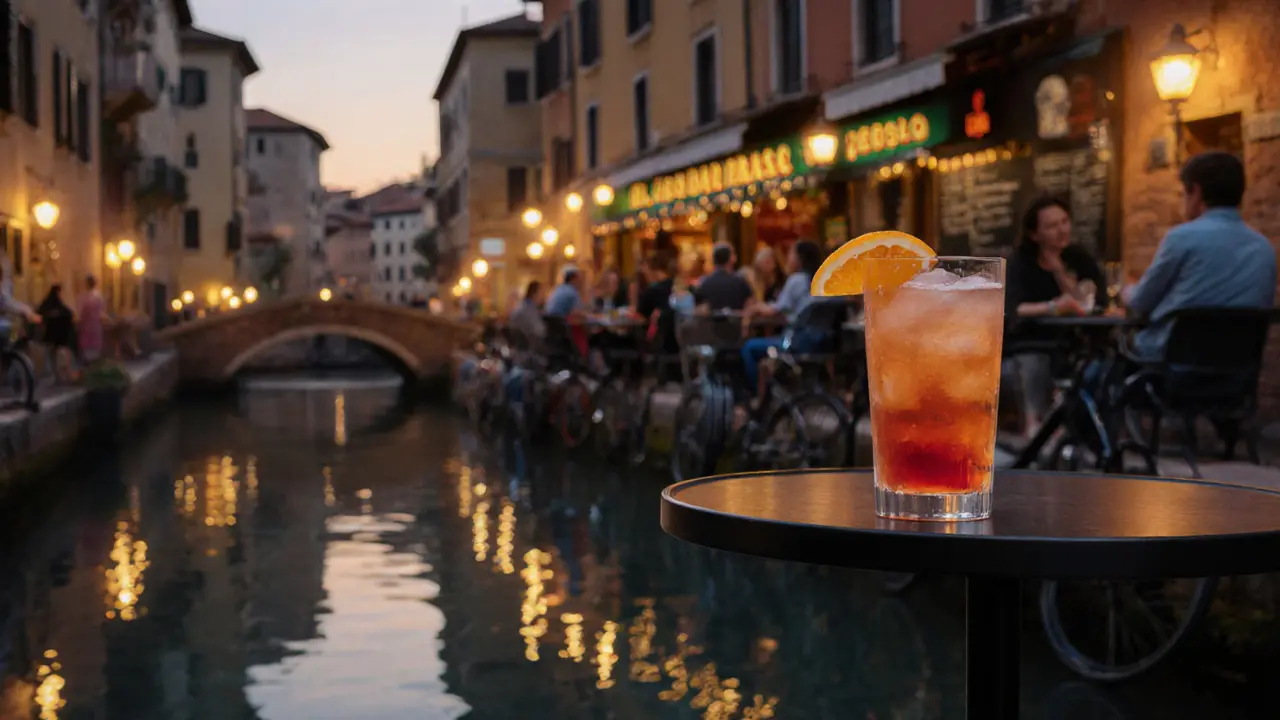
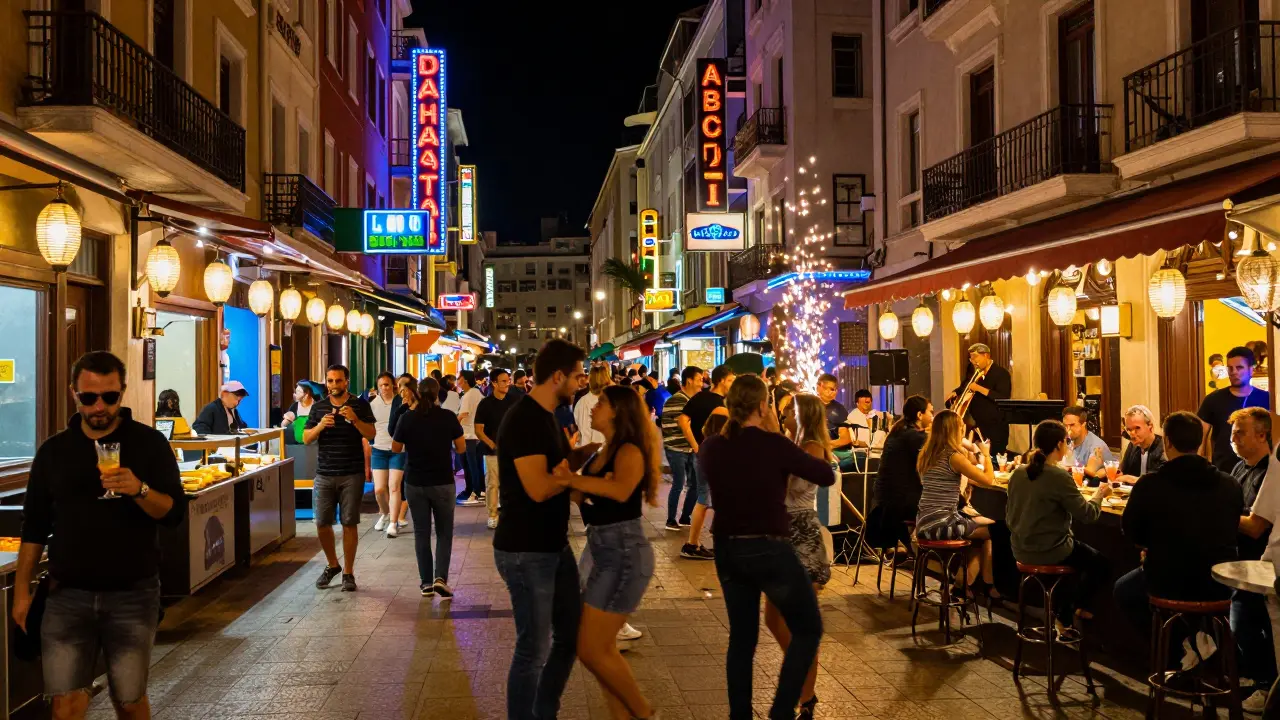
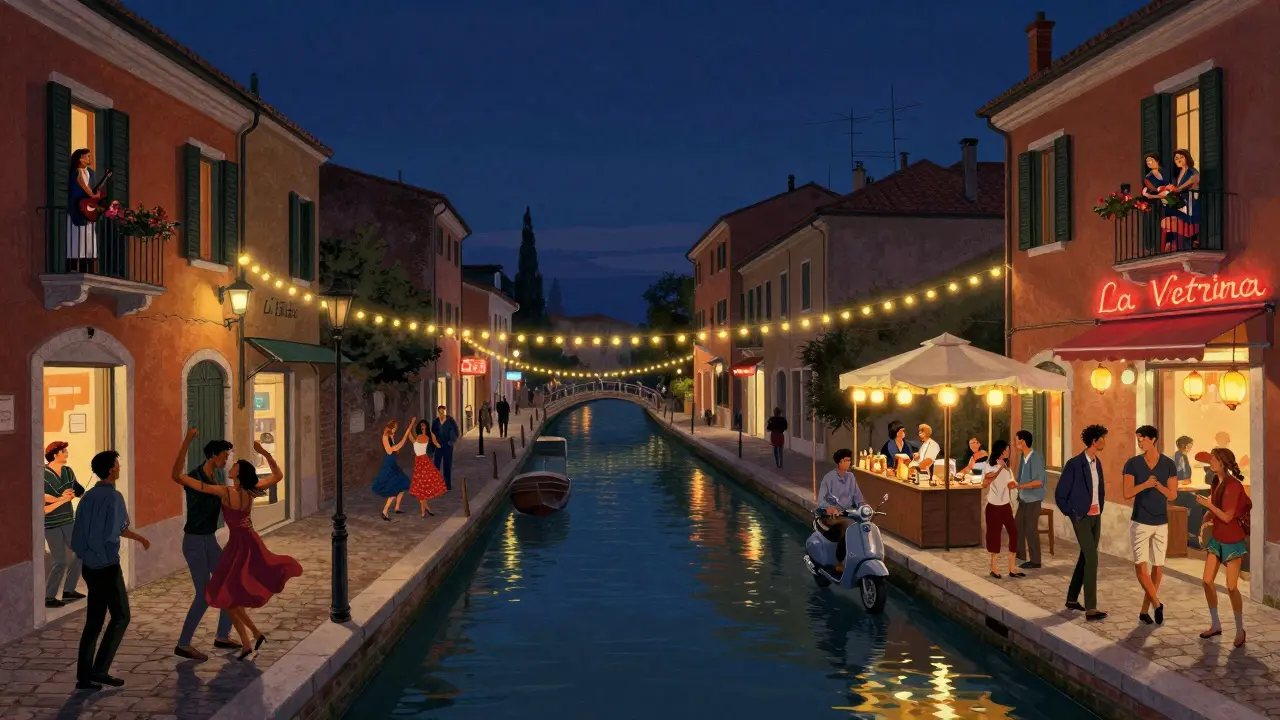
Just south of the city center, the Navigli district comes alive after 9 p.m. Once a working canal network for transporting goods, it’s now a 2-kilometer stretch of open-air bars, street food stalls, and music spilling from open windows. The vibe here is loose, fun, and wildly different from Brera’s intimacy.
La Bitta is the spot for cocktails made with local herbs and spirits. Their “Nero di Milan” - a mix of blackberry, gin, and balsamic vinegar - is legendary. Walk a few steps to La Vetrina, where DJs spin indie rock and disco until 2 a.m. On weekends, the entire canal area becomes a pedestrian zone. People dance on the sidewalks. Kids ride scooters past beer tents. It’s not polished. It’s alive.
Pro tip: If you want to avoid the crowds, come on a Thursday. The energy is still there, but it’s more about music than milling around.
Porta Ticinese: The Underground Pulse
Underneath the arches of Porta Ticinese, hidden behind unmarked doors, Milan’s real nightlife lives. This is where techno, house, and experimental sounds take over. No velvet ropes. No dress codes. Just good music and people who know where to find it.
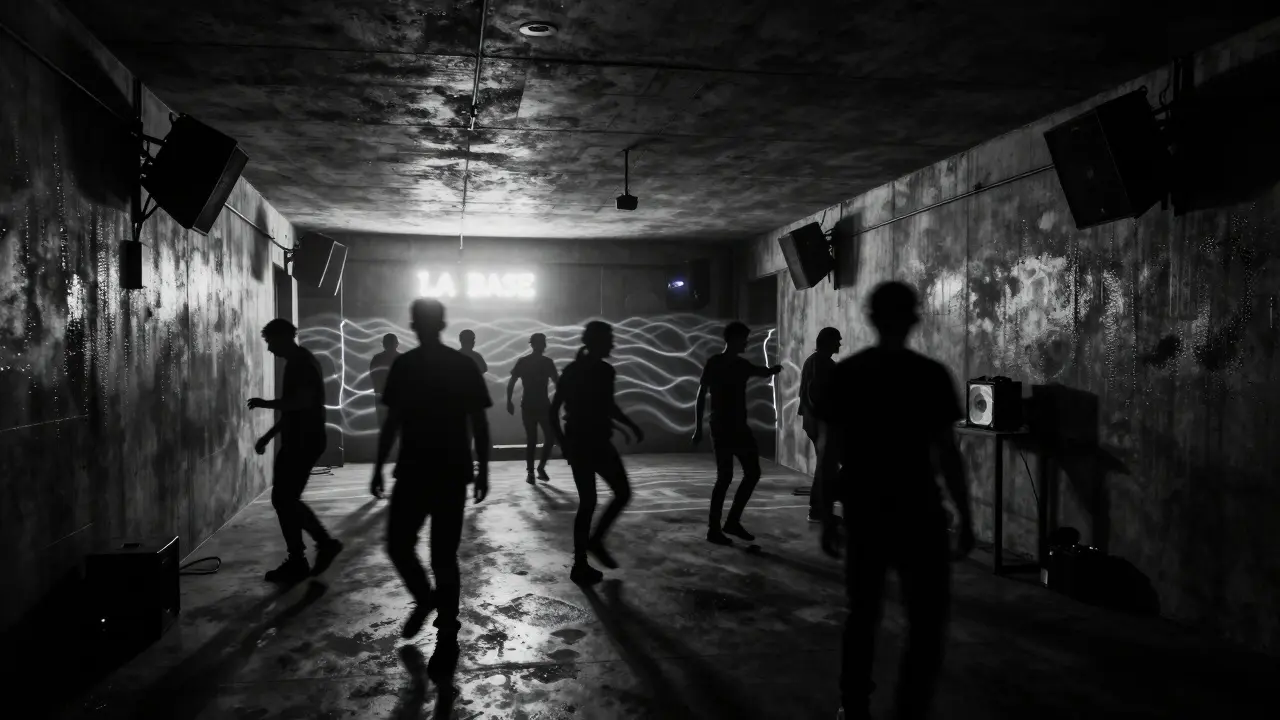
La Base is a former military bunker turned club. It’s cold, raw, and lit only by strobes. The sound system is so powerful you feel it in your chest. It opens at midnight and doesn’t close until sunrise. The crowd? Mostly Milanese in their 20s and 30s, with a few Berlin visitors who came for the weekend. No bouncers check IDs. They just nod you in.
Next door, Spazio 9 is a hybrid: art gallery by day, underground rave by night. The walls are covered in murals by local artists. The dance floor is concrete. The drinks? Cheap. The vibe? Unforgettable. You won’t find this on any tourist list.
Corso Como: Glamour with a Side of Edge
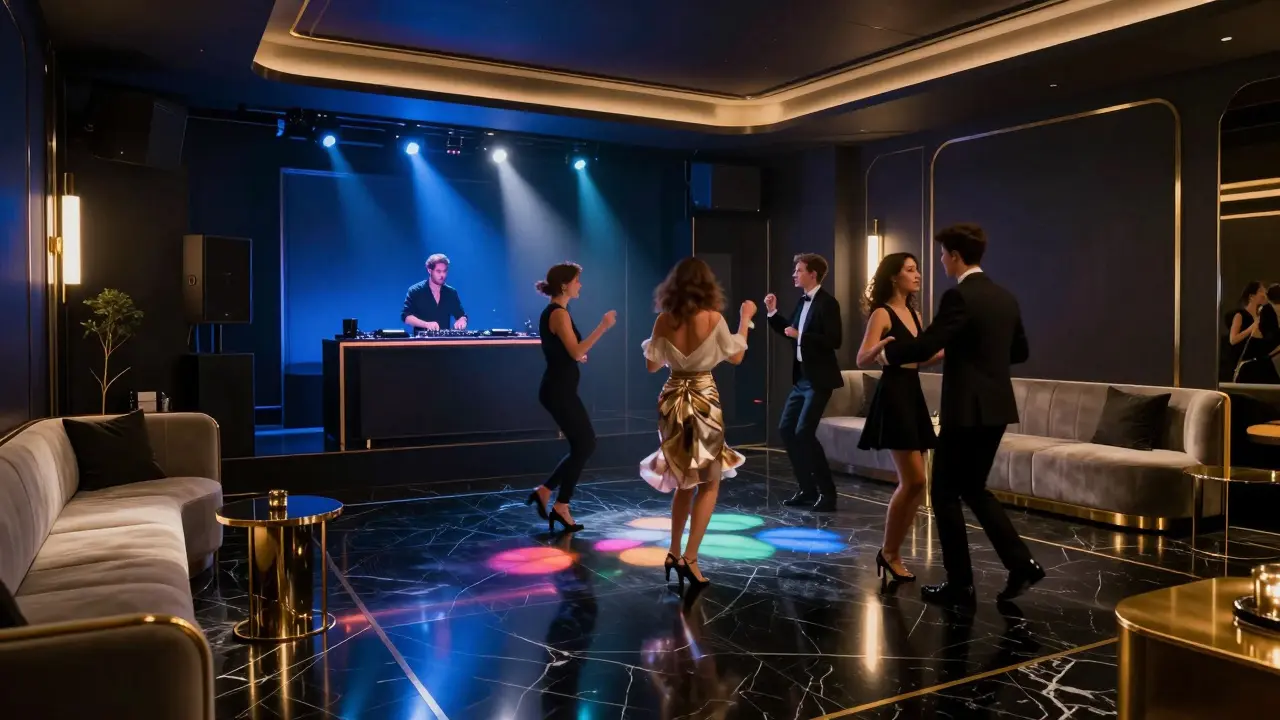
Corso Como 10 is where Milan’s elite go to unwind - and where tourists often get lost. It’s not one place. It’s a whole complex: a design store, a restaurant, a wine bar, and a club called Corso Como 10 Club that only opens on weekends. The entrance is subtle - a black door with no sign. Inside, it’s all marble, dim lighting, and a sound system that plays everything from classic soul to deep house.
The crowd here is polished but not pretentious. You’ll see models, designers, and even a few famous chefs who come here to forget their names. The dress code? Smart casual. No sneakers. No baseball caps. But also no tuxedos. It’s a balance - like Milan itself.
Don’t come here expecting to dance till 5 a.m. This is more about sipping a Negroni, listening to a live set, and watching the city’s elite mingle. It’s not a party. It’s a scene.
What to Know Before You Go
Milan’s nightlife doesn’t follow the rules of other European cities. Here’s what actually matters:
- Start late. Bars don’t fill up until 11 p.m. Clubs don’t heat up until 1 a.m. If you show up at 9 p.m., you’ll be the only one there.
- Walk. Don’t drive. Parking is a nightmare, and most clubs are in pedestrian zones. Use the metro - Line 2 (green) connects Brera, Navigli, and Porta Ticinese.
- Don’t expect open bars. Most places charge per drink. A cocktail costs €12-18. A beer is €6-8. It’s expensive, but the quality is worth it.
- There’s no cover charge. Not in the real spots. You pay for drinks, not entry. If a place asks for €15 to get in, walk away.
- Language matters. A simple “Buonasera” or “Grazie” goes further than you think. Most bartenders speak English, but they appreciate the effort.
Where the Locals Go When They’re Done
When the clubs close, the real party isn’t over - it’s just moving. Around 5 a.m., head to Bar del Fico in the Porta Romana area. It’s a tiny, 24-hour spot with espresso, croissants, and a jukebox playing 90s hip-hop. Locals come here to recover, not to party. You’ll find people laughing over coffee, swapping stories from the night, and planning tomorrow’s brunch.
Or try Bar Basso’s back room - yes, it’s open 24 hours on weekends. Order a coffee, sit by the window, and watch the city wake up. It’s the quiet end to a loud night.
What’s Missing
You won’t find massive EDM festivals here. No Vegas-style mega-clubs. No bottle service with VIP sections. Milan doesn’t do flashy. It does depth. It does authenticity. The best nights here aren’t about who you met - they’re about how the music felt, how the air smelled, and how long you stayed talking after the last song ended.
If you’re looking for a place to party hard, you’ll find it. But if you want to understand what makes Milan’s nightlife different - it’s not the music, the drinks, or the crowd. It’s the rhythm. Slow at first. Then fast. Then slow again. Like a heartbeat.
What’s the best night to go out in Milan?
Friday and Saturday are the busiest, but Thursday nights are surprisingly great - fewer tourists, better music, and more room to move. If you want to experience the real local scene, skip the weekend chaos and go midweek.
Is Milan nightlife safe?
Yes, extremely. Milan has one of the lowest crime rates among major European cities. Stick to well-lit areas, avoid isolated alleys after midnight, and keep your phone and wallet secure. Most clubs have security, but it’s more about crowd control than policing. You’ll feel safer here than in many other nightlife capitals.
Do I need to dress up?
It depends on where you go. In Brera and Corso Como, smart casual works - no shorts, no flip-flops. In Navigli and Porta Ticinese, jeans and a nice shirt are fine. At La Base or Spazio 9, wear what you want. The only rule: no athletic wear. Milanese people dress with intention, even when they’re out for a drink.
Can I find English-speaking staff?
In tourist-heavy areas like Navigli and Corso Como, yes. In Brera and Porta Ticinese, many bartenders speak only Italian - but they’re happy to help. Learn a few phrases. Point. Smile. You’ll get by. And you’ll get better service for trying.
Are there any free events or open-air parties?
Yes. Every summer, the city hosts free outdoor concerts in Piazza del Duomo and Parco Sempione. In winter, you’ll find pop-up bars and live jazz in courtyards around Brera. Check Milan Nightlife Calendar on the city’s official tourism site - it’s updated weekly and lists all free events.