Abu Dhabi wasn’t always known for its nightlife. Ten years ago, if you asked someone where to go out after dark, you’d get a shrug and a mention of the hotel lobby bar. But something changed. Not with a bang, but with a slow, steady pulse - music bleeding from hidden courtyards, neon signs flickering to life above alleyways, the hum of conversation spilling out of rooftop lounges as the city cooled after sunset. Today, Abu Dhabi’s nightlife isn’t just about drinking. It’s about memory. About places that became landmarks not because they were loud, but because they felt like home.
The Birth of Something New
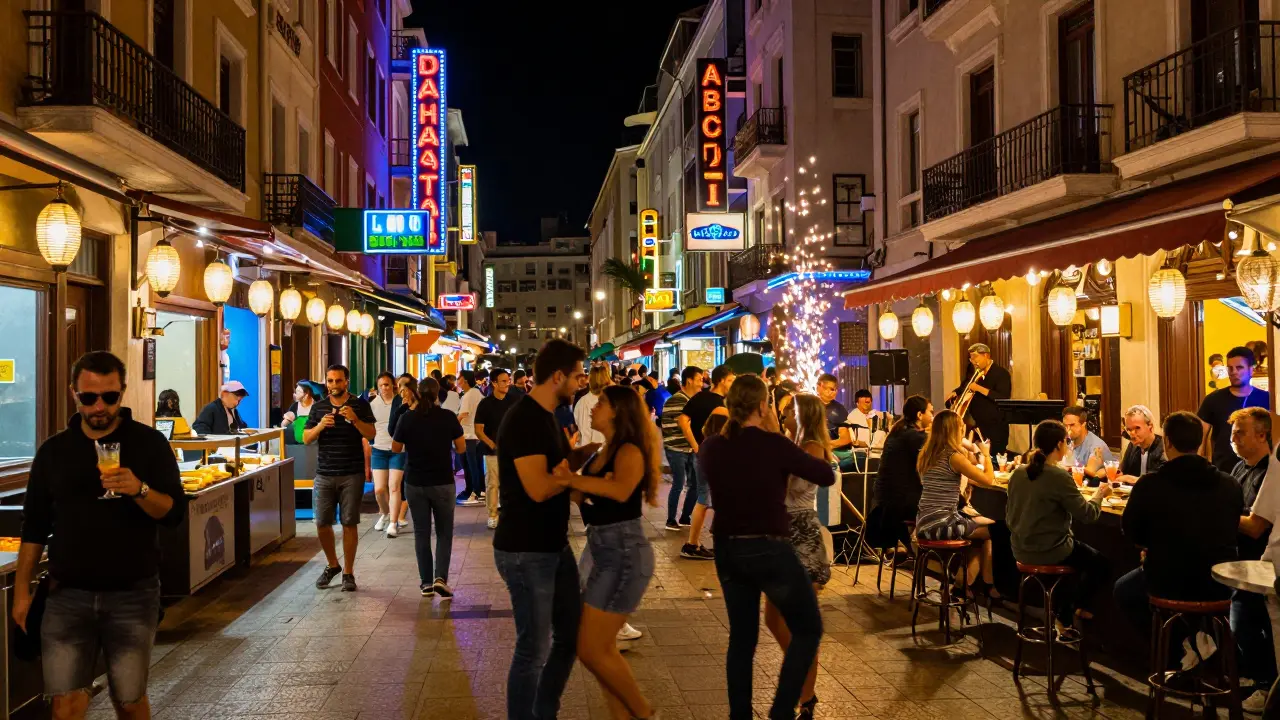
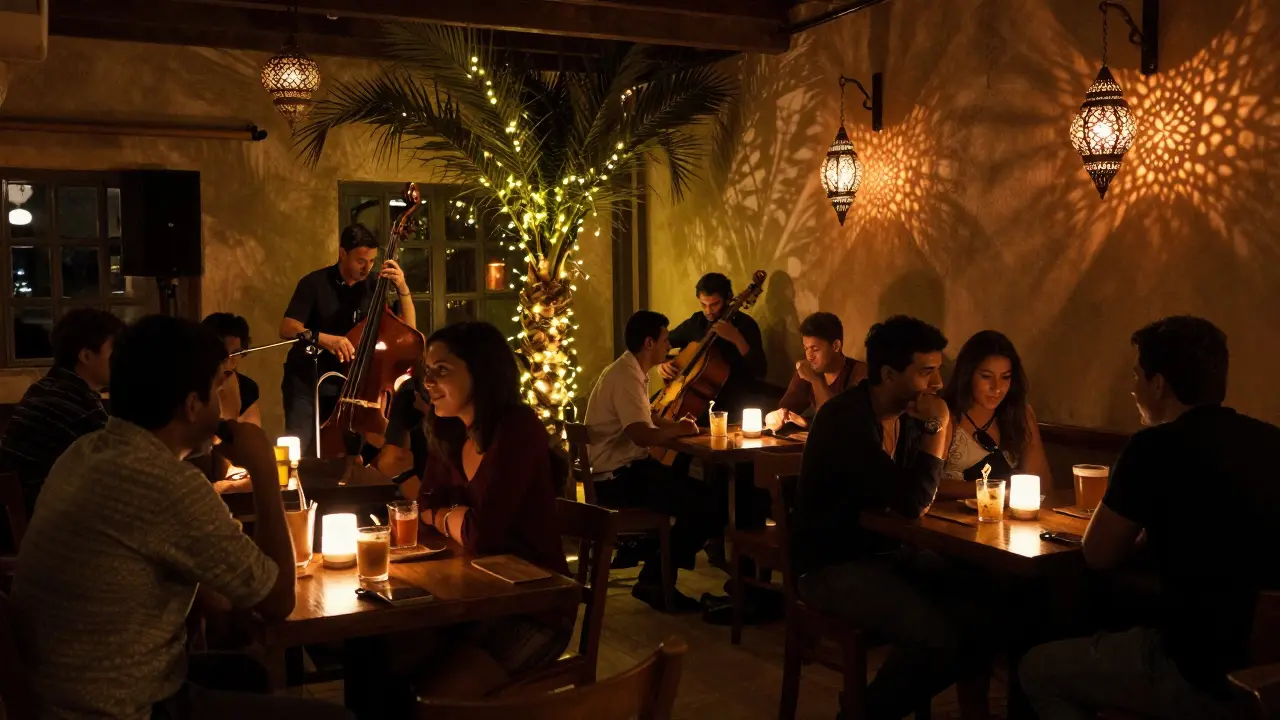
In the early 2010s, Abu Dhabi’s nightlife was quiet, almost secretive. The few venues that stayed open past midnight were tucked inside luxury hotels - the Yas Hotel bar, the lounge at Emirates Palace. They were elegant, yes, but they didn’t feel like places where locals gathered. That changed when Al Mina, a small bar near the Corniche, started hosting live jazz on Thursday nights. No fancy promotions. No influencers. Just good music, cold drinks, and a crowd that grew by word of mouth. People started showing up not just to drink, but to listen. To talk. To forget the day’s stress under strings of fairy lights strung between palm trees.
By 2017, Al Mina was no longer just a bar. It was a ritual. Locals brought their friends from Dubai. Expats brought their families. The owner, a Lebanese man named Samir, never changed the menu. He just kept the lights dim, the playlist eclectic, and the door open until 3 a.m. That’s when you knew you’d found something real.
The Rooftop Revolution
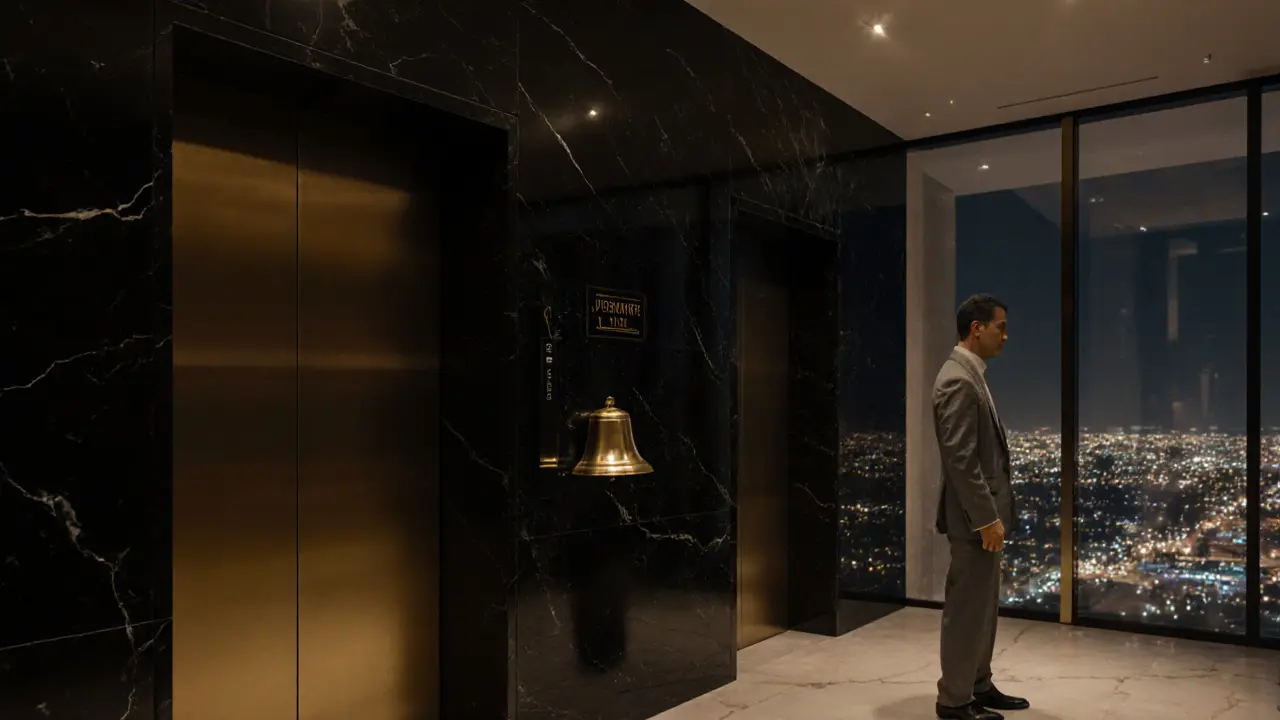
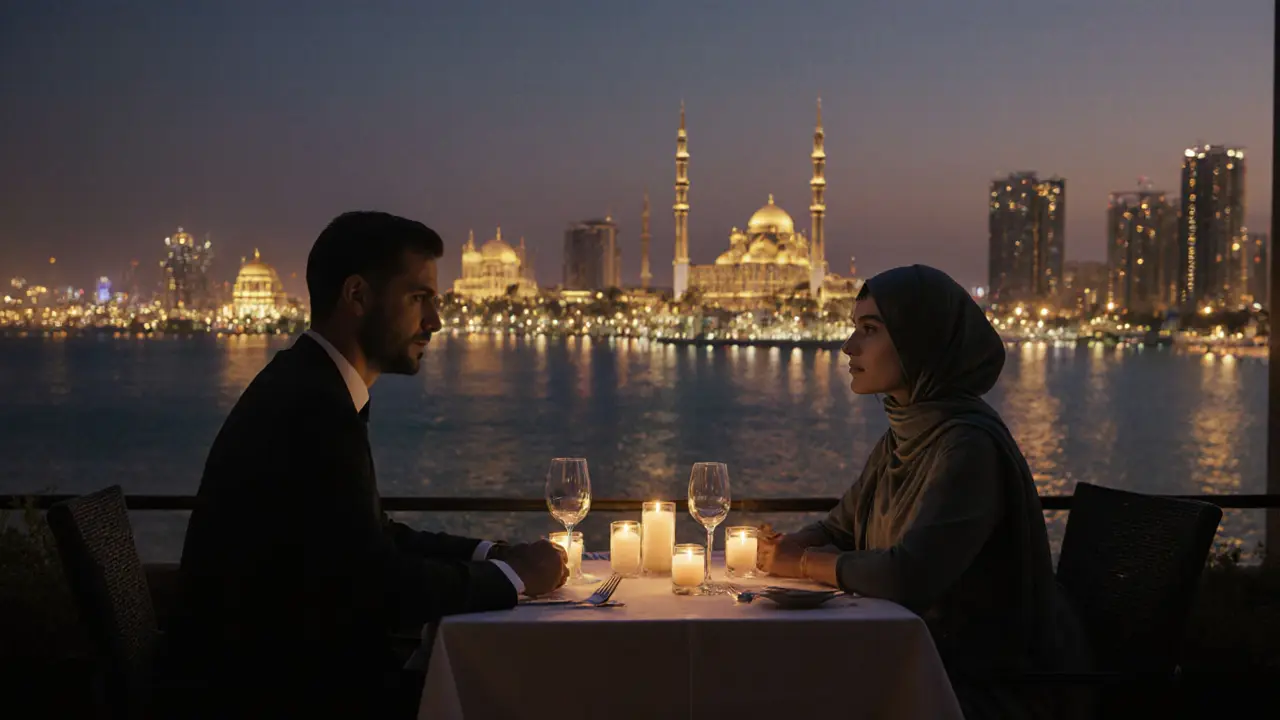
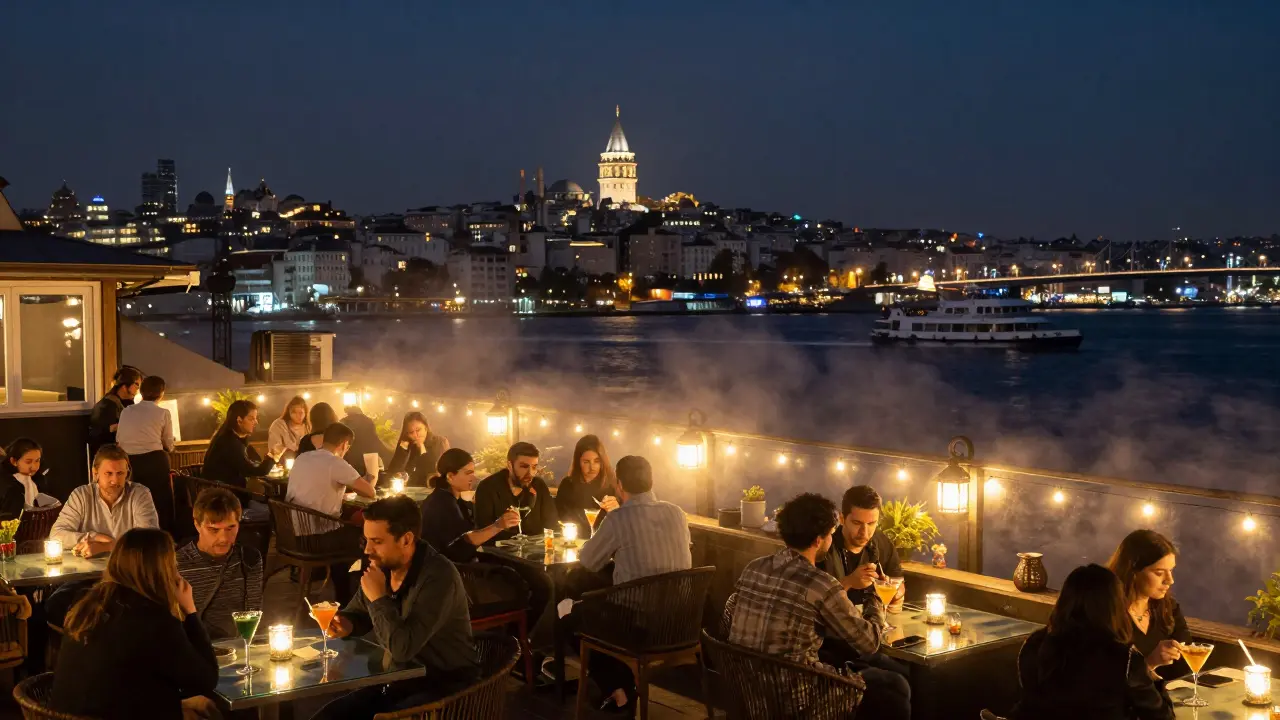
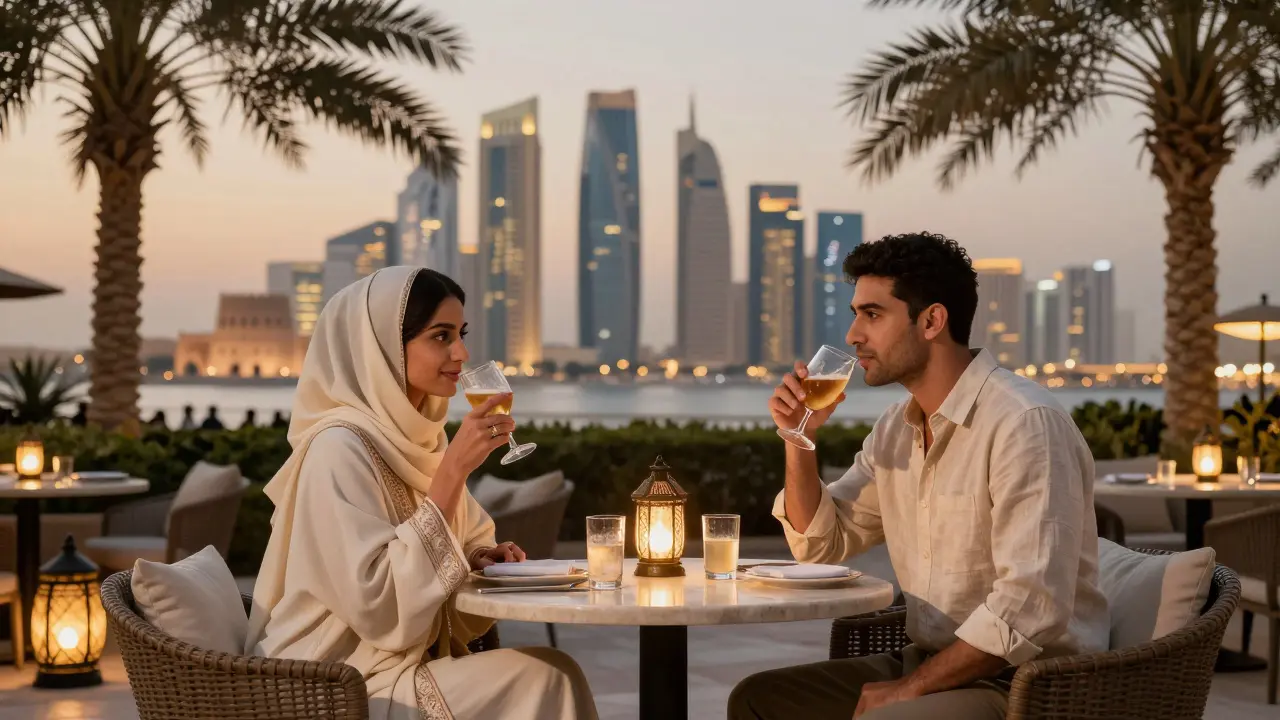
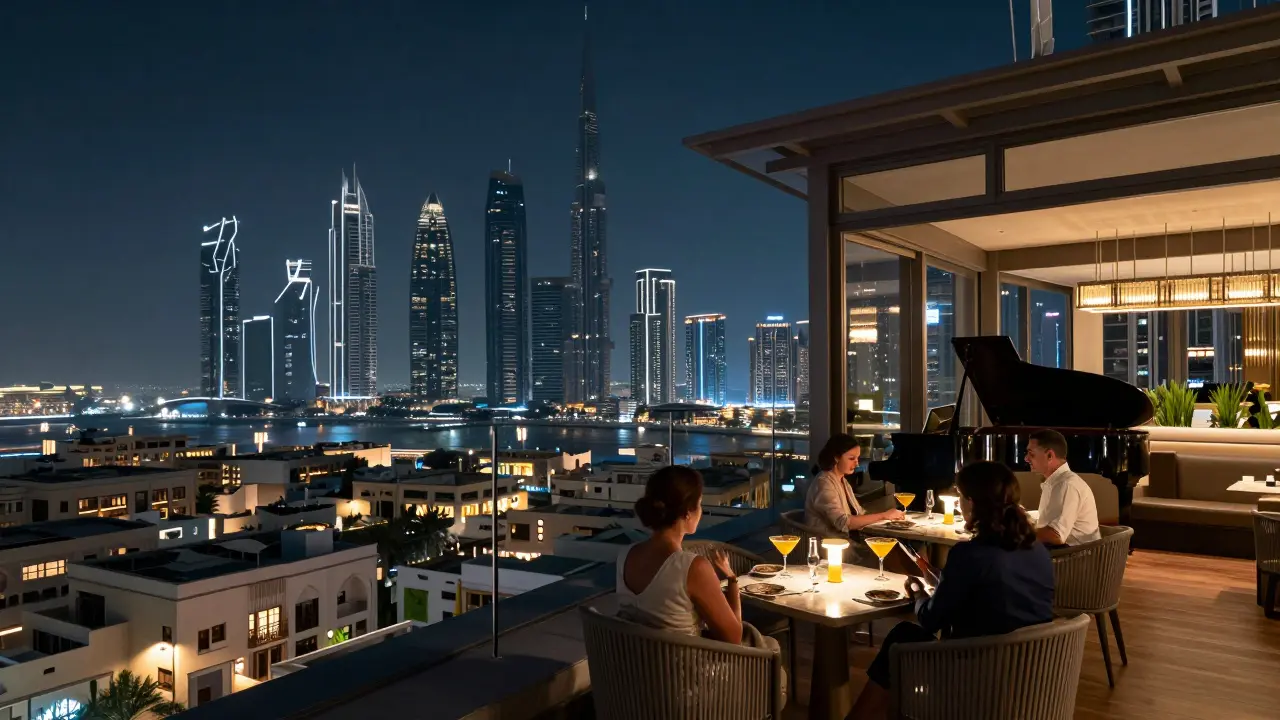
Then came the rooftops. Not the flashy, bottle-service kind you see in Miami or Dubai. These were quieter. More thoughtful. Level 27 at the St. Regis Abu Dhabi didn’t open with a party. It opened with silence. The first night, only 12 people showed up. By the third month, you needed a reservation just to get a seat by the window. The view? The skyline of Abu Dhabi at night - the Etihad Towers glowing like candles, the Heritage Village dark and still in the distance.
What made Level 27 iconic wasn’t the cocktails (though the saffron martini was legendary). It was the way the staff remembered your name. The way they’d bring you a second glass without asking. The way the music shifted from Arabic oud to jazz to electronic, depending on who was there. It wasn’t a club. It was a living room with a view.
The Underground Scene That Refused to Fade
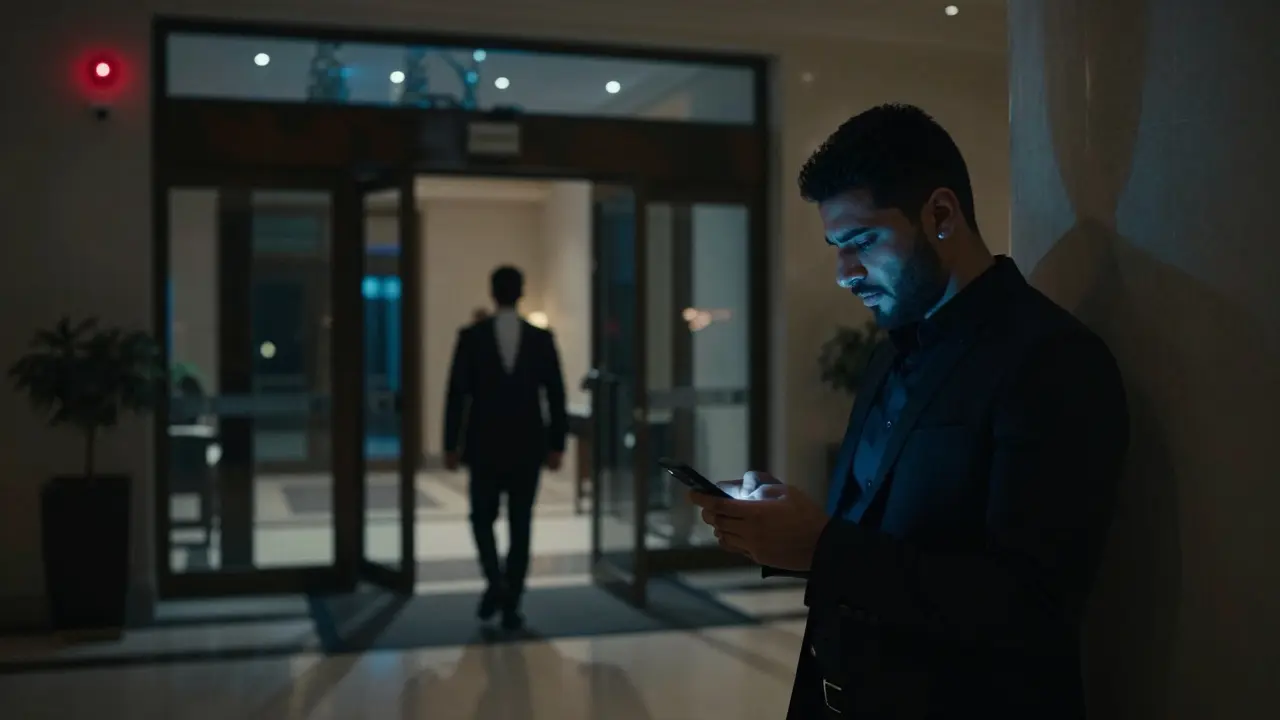
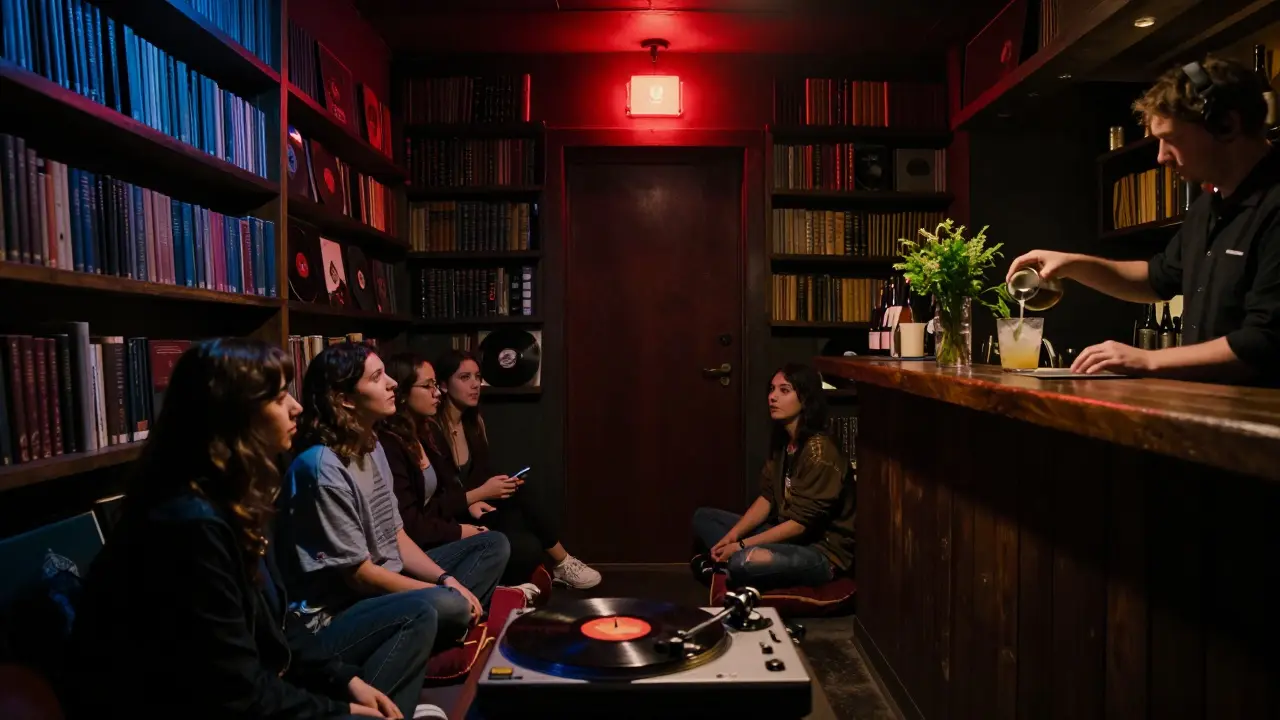
While the rooftops got the headlines, the real heartbeat of Abu Dhabi’s nightlife lived below ground. The Vault, tucked beneath a bookstore on Al Maryah Island, opened in 2019. No sign. No website. Just a single red light above a nondescript door. You had to know someone to get in. Or you had to wait outside until someone recognized you from the last time.
Inside, it was dim, warm, and packed with people who didn’t care about trends. Vinyl records spun on a turntable. The bartender made drinks using herbs from his garden. The music? Mostly soul, blues, and rare 70s Arabic funk. No DJs. No bottle service. No photos. The rule? No phones on the table. And somehow, it worked. People came back week after week. Not for the drinks. For the silence between songs. For the feeling that, for a few hours, the city outside didn’t exist.
The Beach Clubs That Turned Into Legends
Then there were the beach clubs. Yas Beach used to be just a stretch of sand with a few umbrellas. By 2021, it had become Beach House - a place where the sand stayed warm long after sunset, where the music drifted over the water, and where people danced barefoot in the moonlight. It wasn’t the loudest spot. But it was the most alive.
What made Beach House unforgettable? The weekly Fire Pit Nights. Every Friday, they’d light a bonfire on the shore. People brought blankets. Someone always had a guitar. The staff served spiced hot chocolate and grilled dates. No one rushed. No one checked their watch. For three hours, the only thing that mattered was the crackle of the fire and the sound of waves.
The Places That Disappeared - And Why We Still Remember Them
Not all the icons are still here. The Library Bar closed in 2022. It was a quiet place inside a converted villa, with bookshelves lining the walls and a piano in the corner. You could sit for hours reading while someone played Chopin softly in the background. The owner said he closed because “the city moved on.” But people still talk about it. How the lights were always low. How the wine list had no prices - you just told the bartender what you felt like, and they brought you something perfect.
And then there was Al Qasr, a rooftop garden above a traditional Emirati restaurant. They served mint tea with rosewater and played oud music until midnight. It wasn’t a club. It was a moment. And when it shut down in 2020, no one made a big announcement. It just… stopped. But if you ask anyone who was there, they’ll tell you exactly where they were standing when they heard the last note.
What Makes a Nightlife Spot Iconic?
It’s not the price. It’s not the name on the sign. It’s not even the music. An iconic spot is the one that holds space for you - not just your drink, but your silence, your laughter, your loneliness, your joy. It’s the place where you came alone and left with someone who became a friend. Where you celebrated a promotion, or mourned a breakup, or just sat and watched the stars while the city breathed around you.
Abu Dhabi’s nightlife didn’t grow because of marketing. It grew because people needed it. Because after long days in offices, after quiet evenings in apartments, after the silence of desert nights - people wanted to feel connected. And these places gave them that.
Where the Spirit Lives Today
Today, you can still find that spirit. Al Mina is still open. Level 27 still has the same view. The Vault still doesn’t have a website. Beach House still has fire pits on Fridays.
But the new spots? The ones opening now? They’re trying too hard. Too many neon signs. Too many DJs playing the same playlist. Too many people taking photos instead of living the moment.
The real icons aren’t the ones with the most Instagram likes. They’re the ones that still feel like secrets. The ones where the bartender knows your name. The ones where the music changes with the mood. The ones where time slows down - just enough - to let you remember why you came out in the first place.
Abu Dhabi’s nightlife isn’t about where you go. It’s about what you leave behind. And if you’re lucky, what comes back to you.
What are the best rooftop bars in Abu Dhabi today?
The most enduring rooftop spots are Level 27 at St. Regis Abu Dhabi and Al Qasr (though the latter closed, its legacy lives in newer venues that prioritize ambiance over noise). Today, Level 27 still holds its reputation for quiet elegance, live piano nights, and views of the Etihad Towers. Newer options like 101 at the W Abu Dhabi offer modern flair, but none have matched the emotional resonance of the original icons.
Are there any hidden or underground nightlife spots still operating?
Yes. The Vault still operates beneath the bookstore on Al Maryah Island. It remains invite-only, with no online presence. Entry is by word of mouth or recognition from staff. The vibe is intimate, with vinyl records, no phones on tables, and a curated mix of soul, blues, and rare Arabic funk. It’s one of the last true underground spaces in the city.
What time do nightlife spots in Abu Dhabi usually close?
Most licensed venues close at 1 a.m. on weekdays and 2 a.m. on weekends, as per local regulations. However, some places - like Al Mina and Beach House - stay open later by operating under private club licenses or hotel exemptions. The real late-night culture often shifts to after-hours lounges or private residences after official closing times.
Is Abu Dhabi nightlife more for tourists or locals?
Historically, it was dominated by expats and tourists. But over the last five years, locals - especially Emirati millennials and Gen Z - have reclaimed the scene. Places like The Vault and Al Mina now see more local regulars than visitors. The shift reflects a growing desire for authenticity over spectacle. The best spots today are those that feel like community, not performance.
How has Abu Dhabi’s nightlife changed since 2015?
In 2015, nightlife was mostly confined to hotel lounges and expensive clubs. Today, it’s diverse: rooftop gardens, beachside fire pits, underground jazz bars, and intimate reading lounges. The shift wasn’t driven by tourism - it was driven by people wanting deeper experiences. The focus moved from quantity to quality, from loud music to meaningful silence. The city’s nightlife now reflects its soul, not just its skyline.