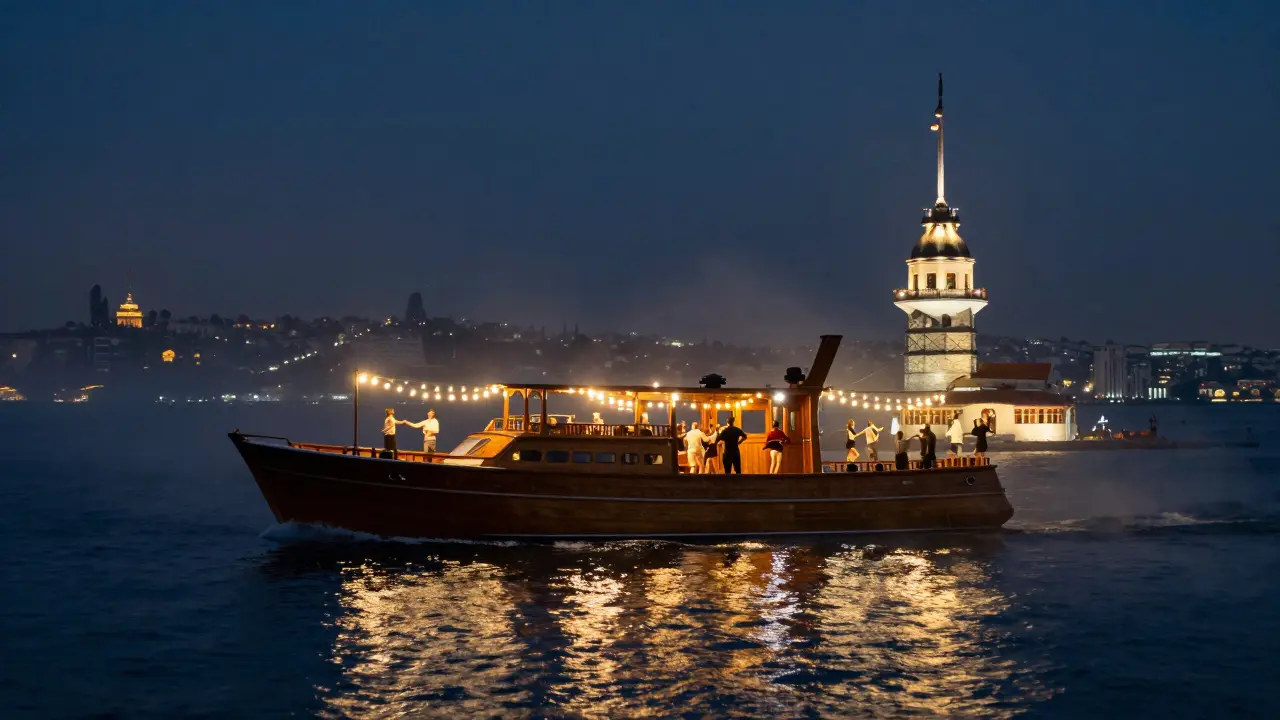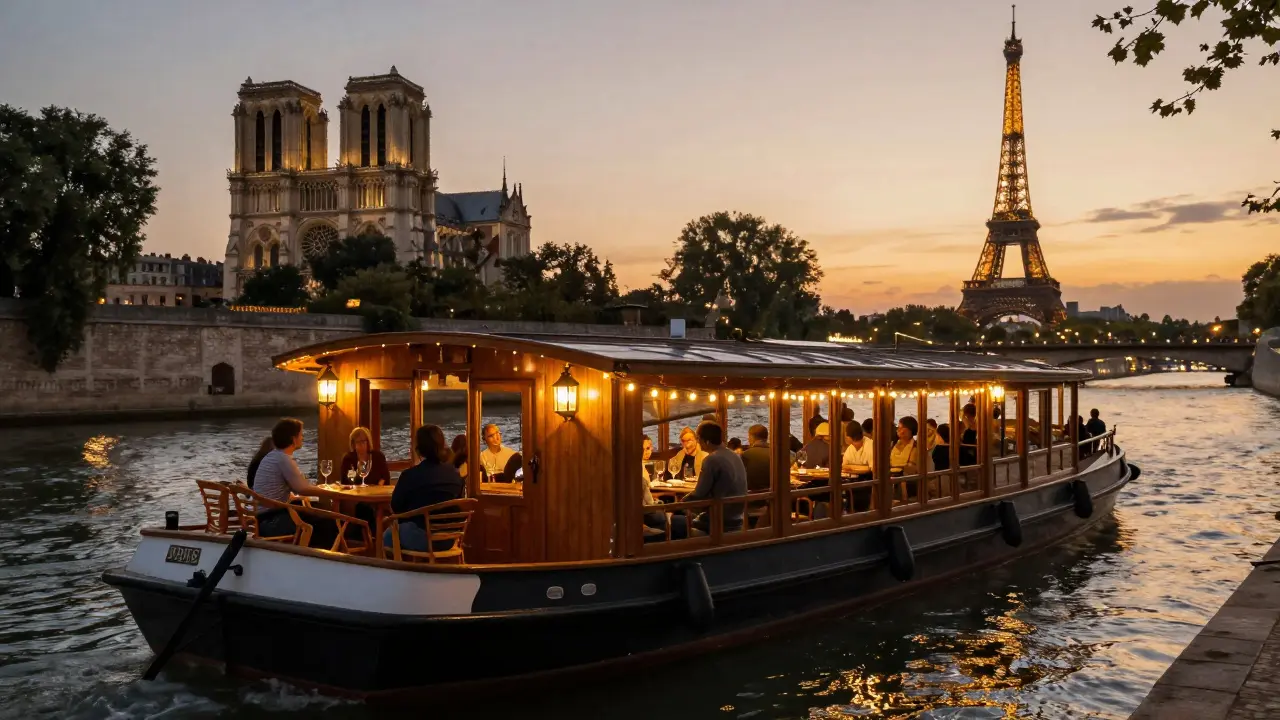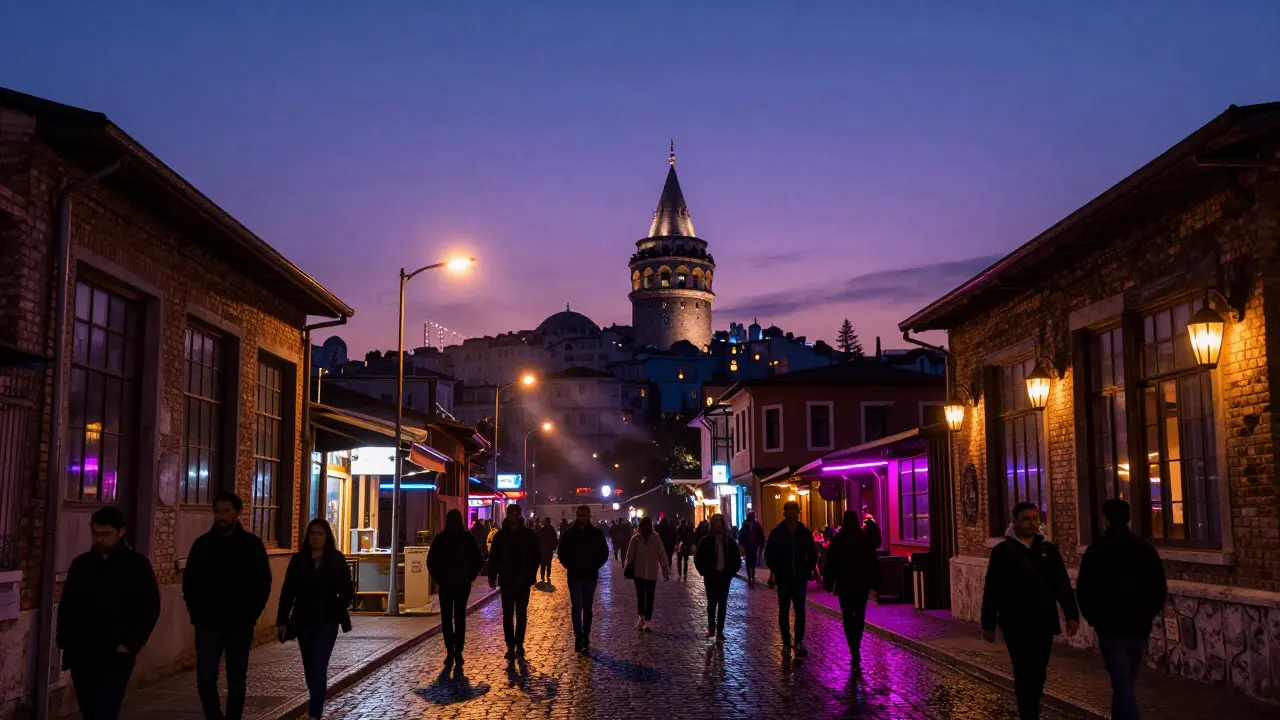
Istanbul doesn’t sleep; it just changes rhythm. By the time the sun dips behind the Galata Tower, the real city wakes up. If you think your night out stops at 2 AM, you’re missing half the magic here. This isn’t New York or London. It’s a place where ancient taverns sit shoulder-to-shoulder with futuristic superclubs, and the party often peaks when the rest of Europe is already dreaming.
Istanbul Nightlife is a vibrant mix of traditional Turkish social gathering spots and modern high-energy entertainment venues found throughout the historic and modern districts of Istanbul. As a regular weekend warrior in this city, I’ve learned that knowing the geography is just as important as knowing the music. You can’t just stumble into a random alleyway in Beyoğlu and hope for the best. Some streets are gold mines for live jazz, while others are strictly for VIP lists and bottle service.
Picking Your Battleground: The Major Zones
The first mistake people make is assuming everything happens in Taksim. While Taksim Square is central, the vibe there is tourist-heavy and often saturated with generic pop covers. If you want the pulse of the local crowd, you need to look elsewhere. Think of the city as having three main nightlife districts, each catering to a specific energy level.
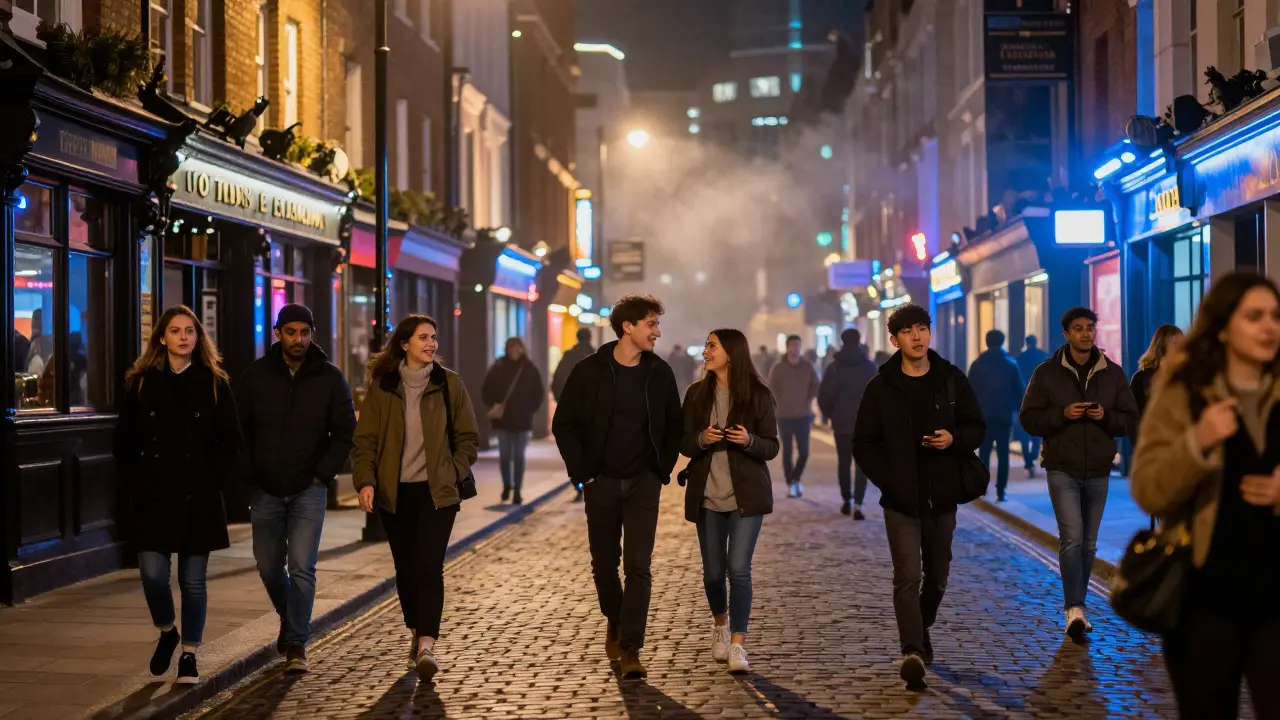
Karaköy offers an industrial-chic aesthetic. With its warehouses converted into art galleries and speakeasies, the crowd tends to be younger, trendier, and more local than in other parts of town. You’ll hear techno and house beats echoing off the brick walls here. It’s also walking distance from the Bosphorus Bridge, which creates that unique feeling of standing in the center of Asia and Europe simultaneously.
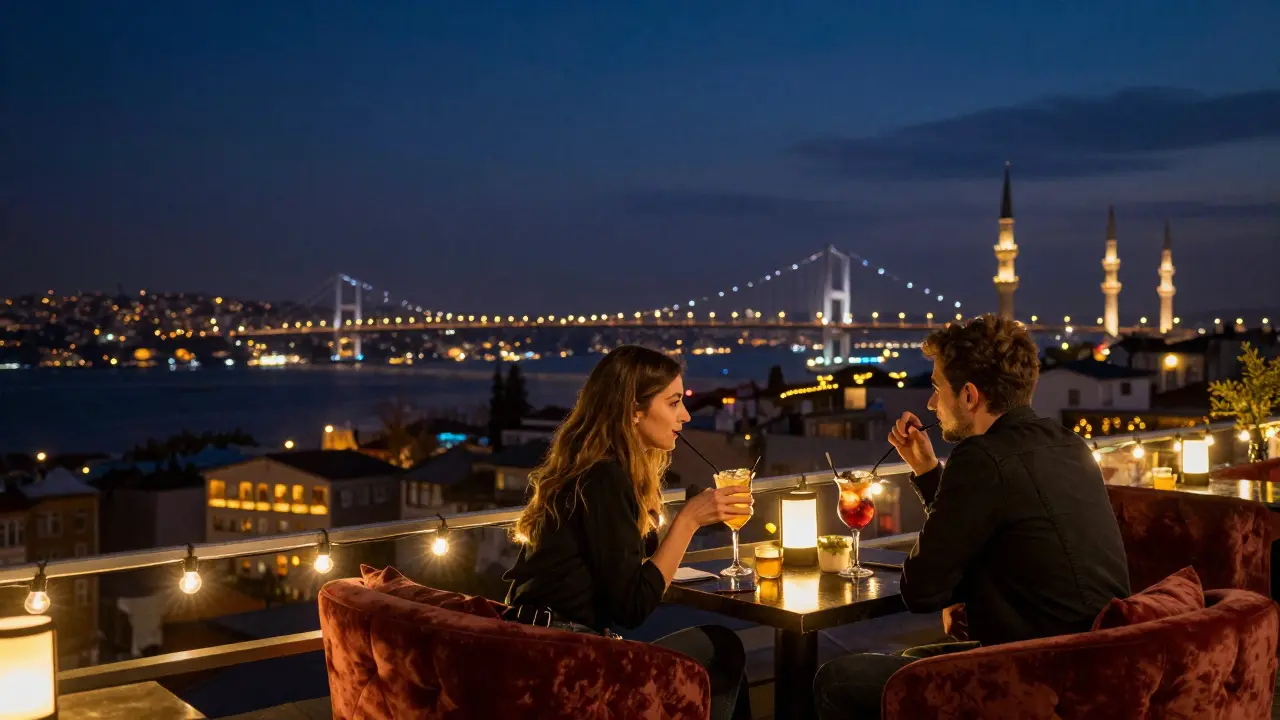
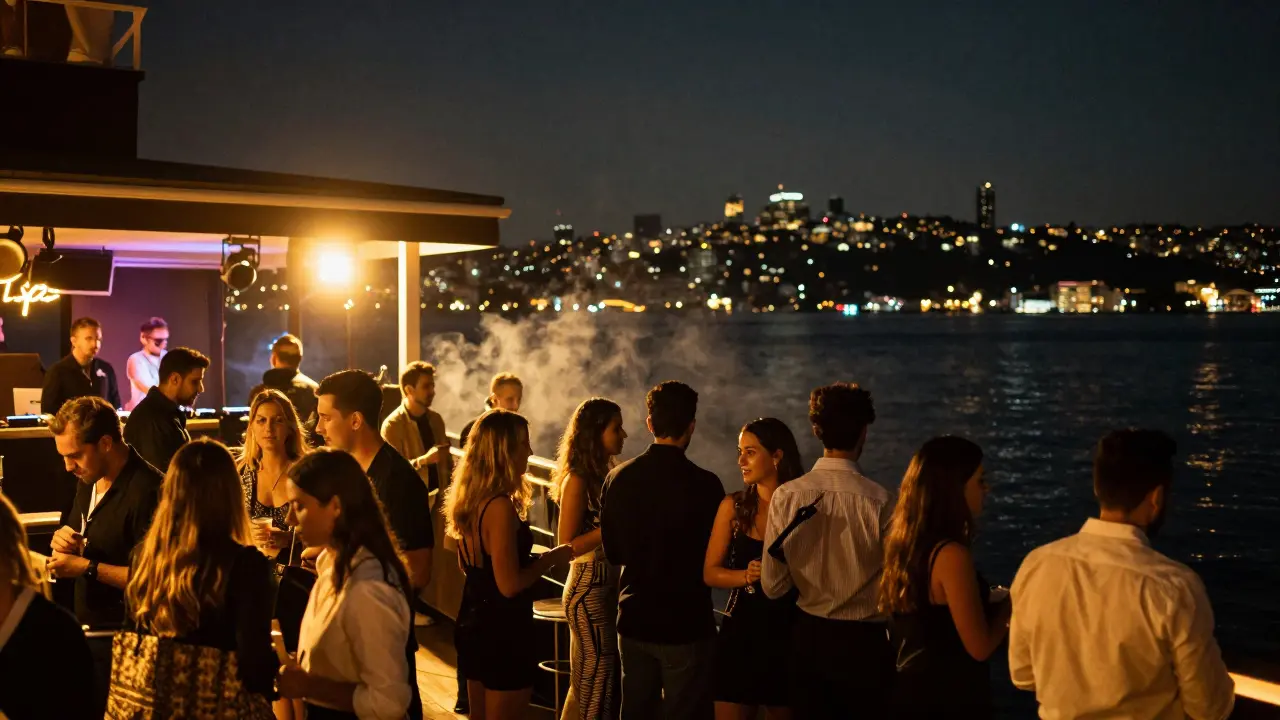
Bebek on the Bosphorus waterfront is another story entirely. This is where the elite gather. The dress code is non-negotiable: sharp suits and cocktail dresses. Venues here lean toward luxury, champagne towers, and expensive cover charges. If budget isn’t a concern and you prefer white linen to concrete, this is your zone. The views of the Yildiz Palace from a rooftop bar here change the entire mood of the evening.
Then there is the Asian Side, specifically **Kadıköy**. This neighborhood feels more organic. It has fewer mega-clubs and more intimate spaces, meyhane (traditional gastropubs), and jazz bars. The people-watching is incredible, and the vibe is generally more relaxed. You might spend three hours sitting outside sipping tea while watching the sunset before heading to a basement bar for some underground sets.
| District | Vibe | Best For | Typical Cost (per person) |
|---|---|---|---|
| Karaköy | Industrial & Hip | Tech/Hip-Hop Lovers | $40 - $80 |
| Bebek | Luxury & Elite | Rooftop Views / VVIP | $100 - $300+ |
| Kadıköy | Relaxed & Local | Jazz / Socializing | $30 - $60 |
The Venue Types: More Than Just Clubs
When searching for **clubbing in Istanbul**, you will encounter distinct categories of venues. Calling them all "discos" does a disservice to the diversity of the scene. Understanding the difference saves you time and awkwardness.
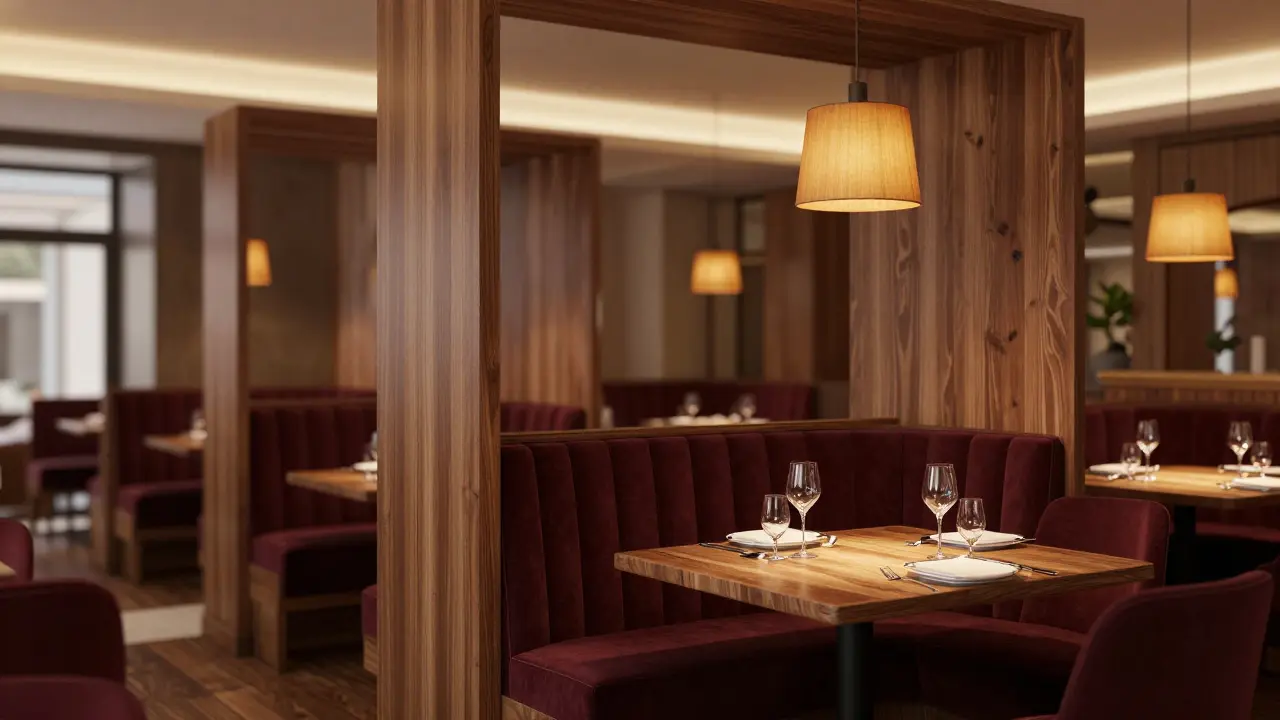
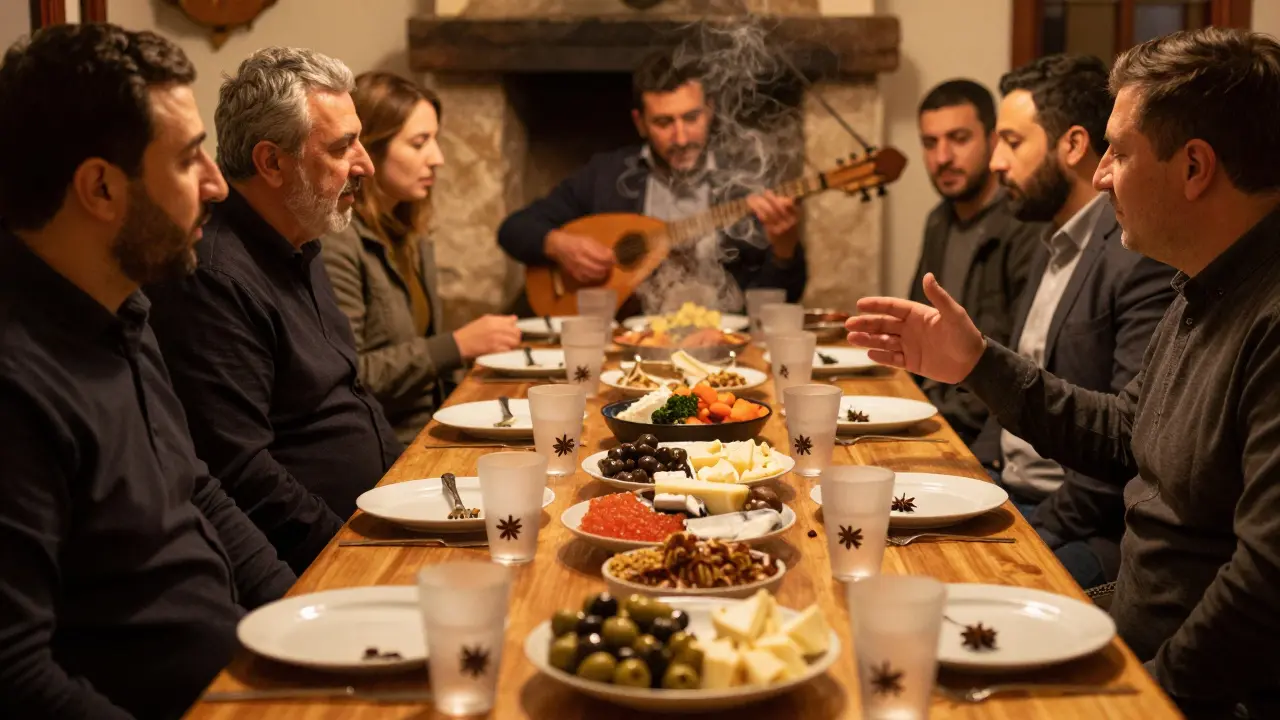
Meyhanes: These are essential to understand. A meyhane is a traditional tavern focused on food and Raki (anise-flavored spirit). The goal isn’t dancing; it’s conversation. Tables are long, shared by strangers. The waiters bring plate after plate of meze (appetizers) while you sip Raki and sing along to the baglama player. Places like Gülbahar in Balat or those along the Golden Horn offer a culturally rich experience you won’t find in a Western bar.
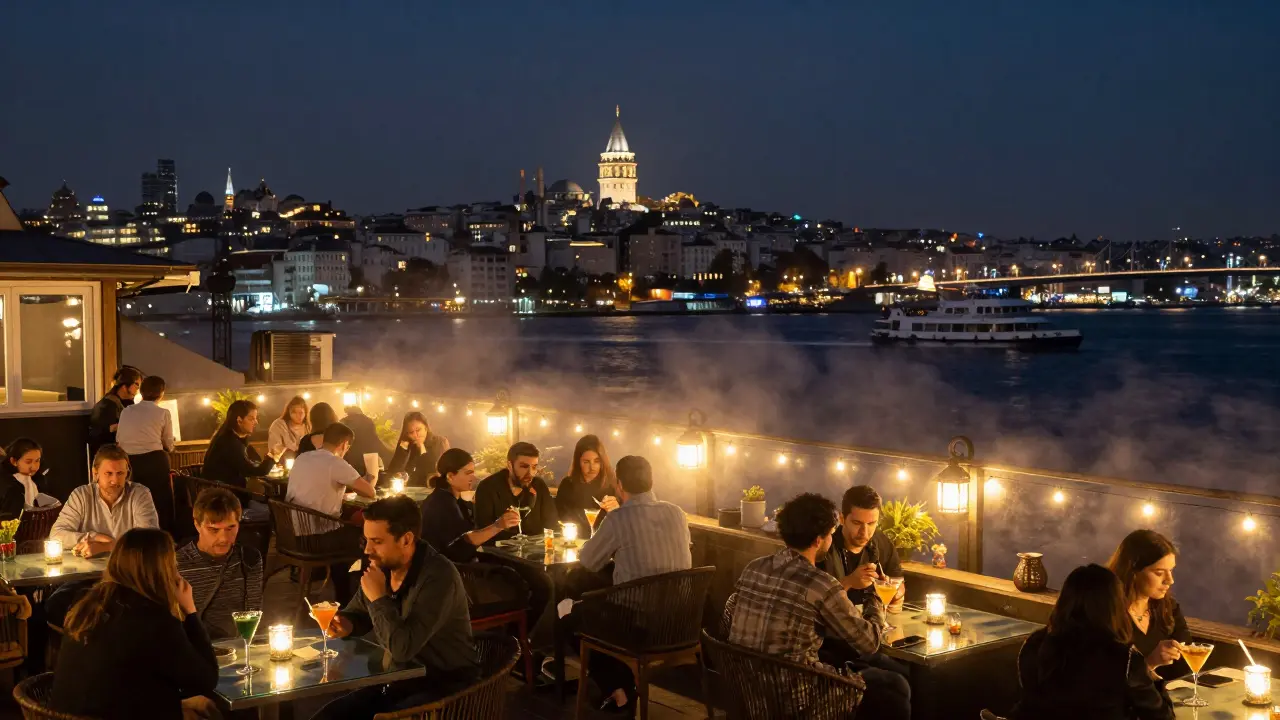
Rooftop Bars: During spring and summer months, these become the primary spot. Establishments like MezzMezz on the Roof located in Grand Hyatt Emaar Istanbul or similar hotels offer skyline access. However, note that the air conditioning in these places can be aggressive. Bringing a light jacket is smart, even in May.
Supeer Clubs: If you want the full production experience, check out venues like Sapphire Lounge or Boogie Istanbul. These operate similarly to Ibiza clubs but with a Turkish flair. Entry fees can range from 150 TL to over 1,000 TL depending on the DJ lineup. Reservations are often mandatory, not optional. Walking up without a booking means standing in a line of people waiting to see if a space opens up.
Practical Logistics: Surviving the Night
Getting around the city once the bars close is a unique challenge. Public transport operates on a schedule that doesn’t match the party timeline. The Metro closes around 1 AM on weekdays and slightly later on Fridays and Saturdays. After this point, you rely on Havaşimasi (night buses) or ride-hailing apps.
Uber operates in Turkey through a partner system where it dispatches local licensed taxis rather than private cars. Apps like BiTaksi or Uber itself work well. Avoid hailing yellow taxis off the street unless you trust the meter. In the early morning, prices surge significantly. A trip from Bebek to Taksim that costs 100 TL during the day might cost 500 TL after 4 AM.
Paying bills is also changing fast. Many smaller venues still prefer cash, though credit cards are widely accepted in major clubs. Keep some Turkish Lira on hand for tips. Staff appreciation is part of the culture. If your server brings water or refills your drink proactively, leaving coins is appreciated.
Cultural Etiquette and Safety
Istanbul is liberal compared to many countries, but conservative laws still apply in public spaces. Drinking in the street is illegal. Pouring out of your beer bottle onto the sidewalk can lead to fines or police attention. Stick to designated areas.
Dress codes are stricter here than in many Western cities. While shorts are fine in Kadıköy, they will stop you at the door in Levent or Nişanşası. Men should avoid flip-flops in upscale venues. Women generally face less scrutiny, but overly revealing outfits sometimes draw unwanted attention from locals who are not used to seeing them outside of beach resorts.
Safety-wise, Istanbul is relatively secure. The biggest risks are pickpockets in crowded areas like Istiklal Street and unlicensed taxi drivers taking detours. Always agree on the price or ensure the meter is running before starting a cab ride. Avoid walking alone through dark parks late at night; stick to busy, well-lit boulevards.

Timing and Seasonality
March is a transition month. Winter clothes are going away, but the nights remain cold. The outdoor terraces aren’t fully open until April or May. This means the action shifts indoors earlier than usual. Spring breaks often see a surge in international tourists, making reservations harder to secure. Book ahead if you are visiting during university holidays.
Weekends run from Friday afternoon to Saturday night. Friday prayers mean business slows down briefly, but the party starts immediately after. Saturday night is the peak chaos hour. Sunday mornings are quiet; most clubs stay closed, and the city takes a deep breath before Monday begins.
Frequently Asked Questions
What time do clubs actually open?
Most venues don’t start filling up until 11:00 PM. Technically, doors might open at 10:00 PM, but the music gets loud and the dance floor fills between 1:00 AM and 4:00 AM. Arriving before 11:30 PM usually means finding empty tables and slow service.
Is smoking allowed in indoor bars?
Laws prohibit indoor smoking in restaurants with seating capacity over 50. However, enforcement varies. Smaller bars often let patrons smoke, especially older establishments. Larger, modern clubs strictly enforce non-smoking zones. It is safer to assume no indoor smoking and move to a balcony if needed.
How much should I tip?
Tip culture is growing in Istanbul’s hospitality sector. In upscale clubs, 10-15% is common if paying by card. For bartenders or waiters carrying plates, small change or a round of drinks for them is customary. Cash tips are preferred because they go directly to staff.
Can I wear sneakers to a club?
Clean, designer sneakers are acceptable in trendy clubs like those in Karaköy. Old, dirty, or sport-style running shoes will likely result in denied entry at formal venues in Nişanşası or Bebek. When in doubt, dress smarter and you won’t regret it.
Are there women-only areas?
Unlike some Middle Eastern destinations, most mainstream Istanbul clubs do not have segregated sections. Ladies are welcome in every area. Groups of solo women often get free entry or discounts on bottle service because promoters actively court them to fill the floor.