When the sun sets over Milan, the city doesn’t sleep-it transforms. The same streets that buzz with designers and shoppers by day become playgrounds for late-night revelers, quiet wine lovers, and underground music seekers. Forget what you think you know about Milan being all about fashion shows and espresso. At night, it’s alive in ways most tourists never see.
Brera: Where Art Meets After-Dark
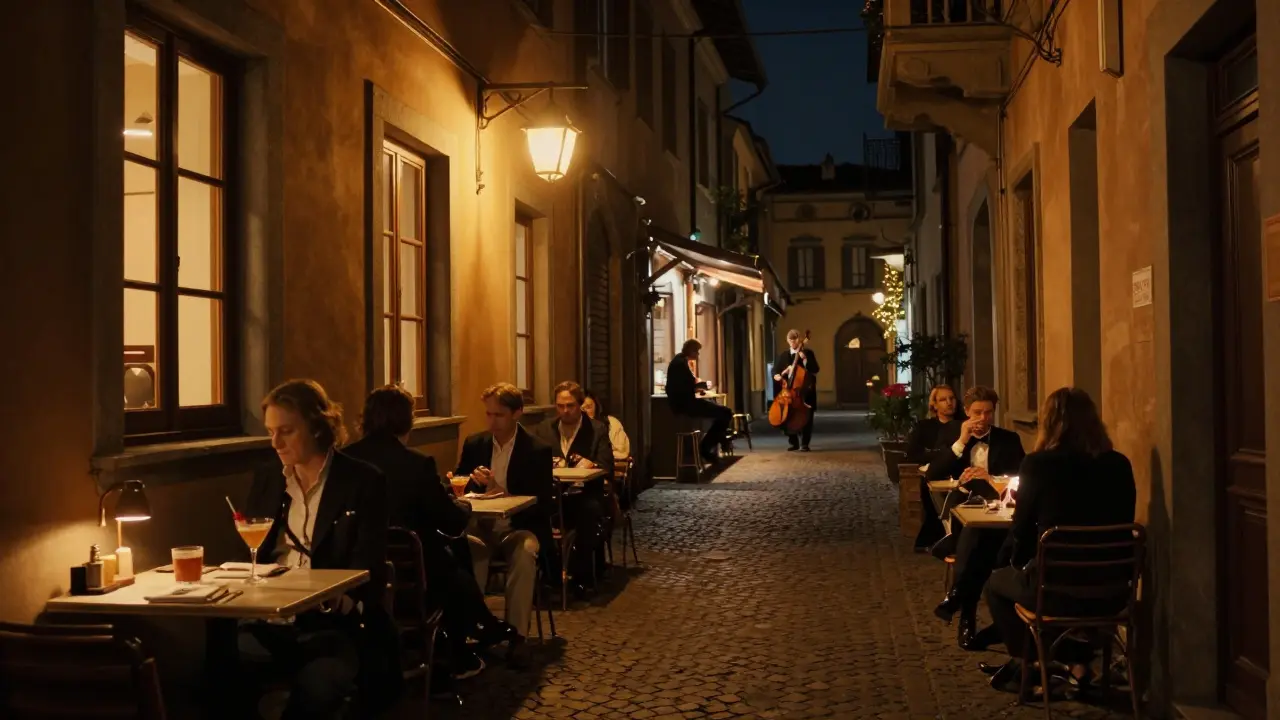
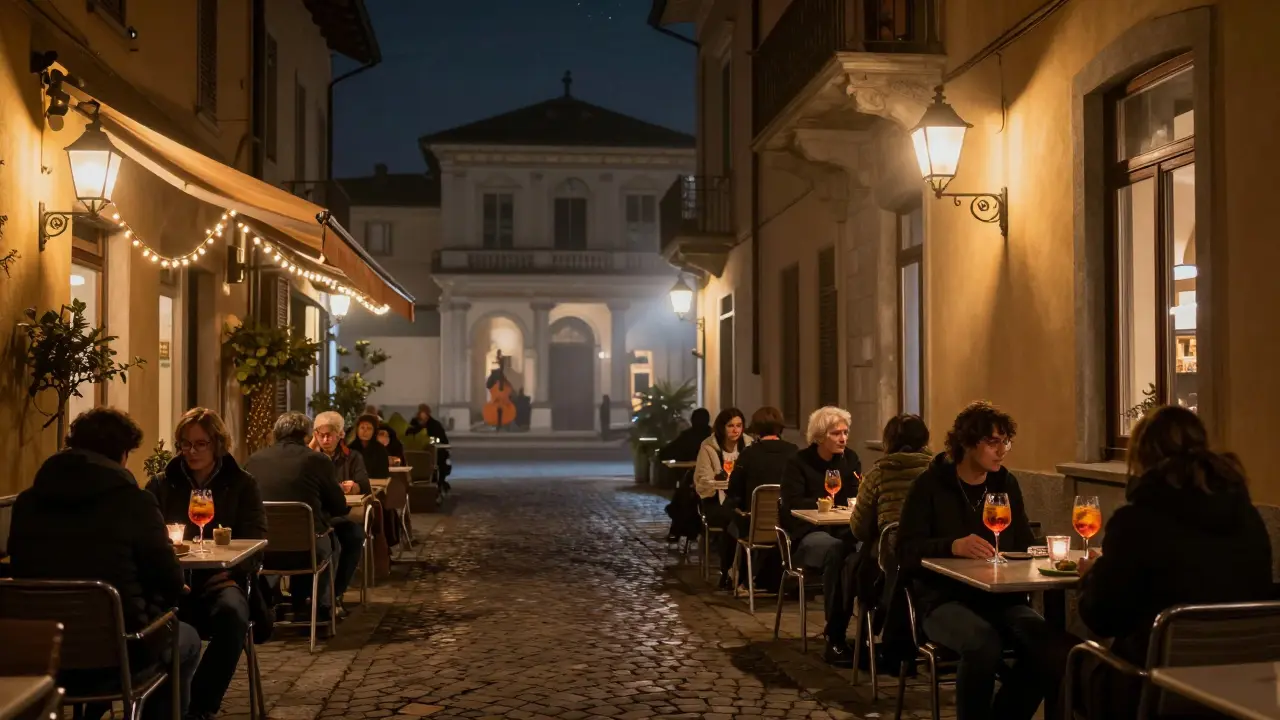
Brera is Milan’s most charming neighborhood after dark. Cobblestone alleys lined with historic buildings turn into intimate wine bars and cocktail lounges. Locals gather here after dinner, not to party, but to linger. Bar Basso, famous for inventing the Negroni Sbagliato, stays open until 2 a.m. and still serves drinks the way they did in the 1960s-no gimmicks, no loud music, just perfect balance. If you want something quieter, try La Permacultura, a hidden gem with natural wines and a vibe that feels like a friend’s living room.Don’t miss the outdoor seating along Via Brera. It’s where students, artists, and expats chat over Aperol spritzes until the early hours. This isn’t a club scene-it’s a slow, thoughtful night out. You’ll find people reading poetry, listening to jazz trios, or just staring at the stars above the Brera Art Gallery.
Navigli: Canals, Craft Beer, and Live Music
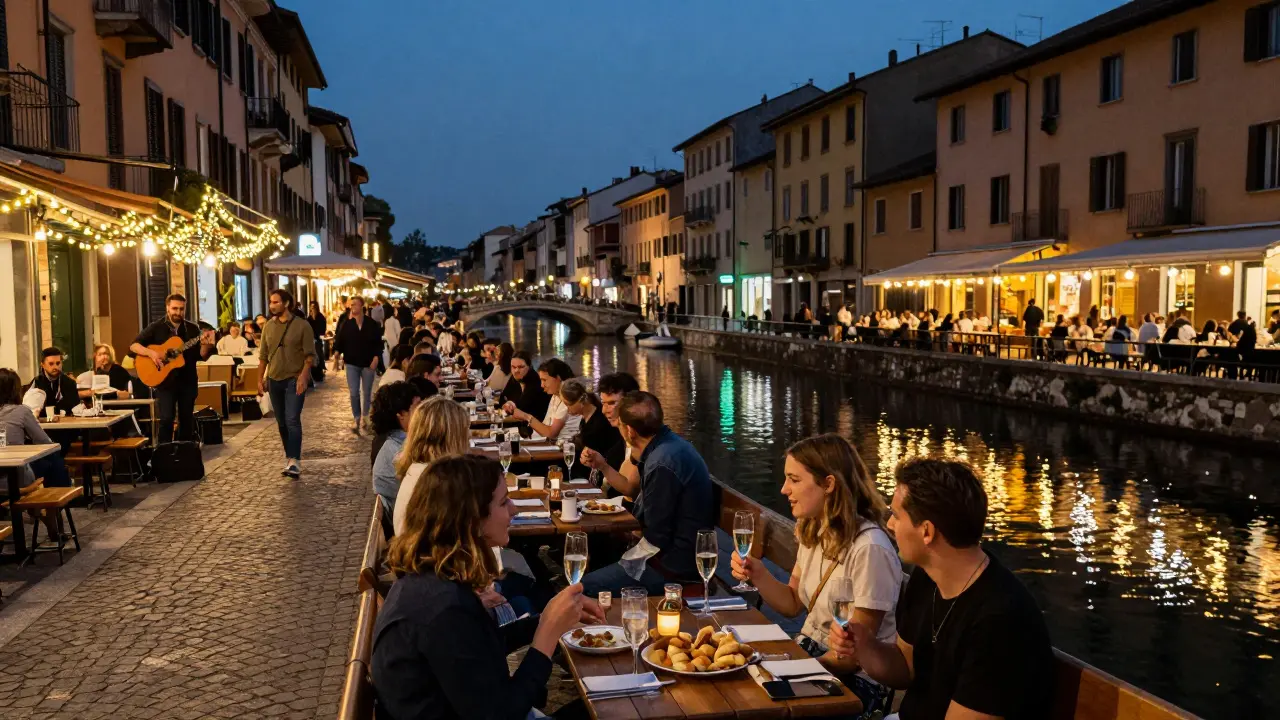
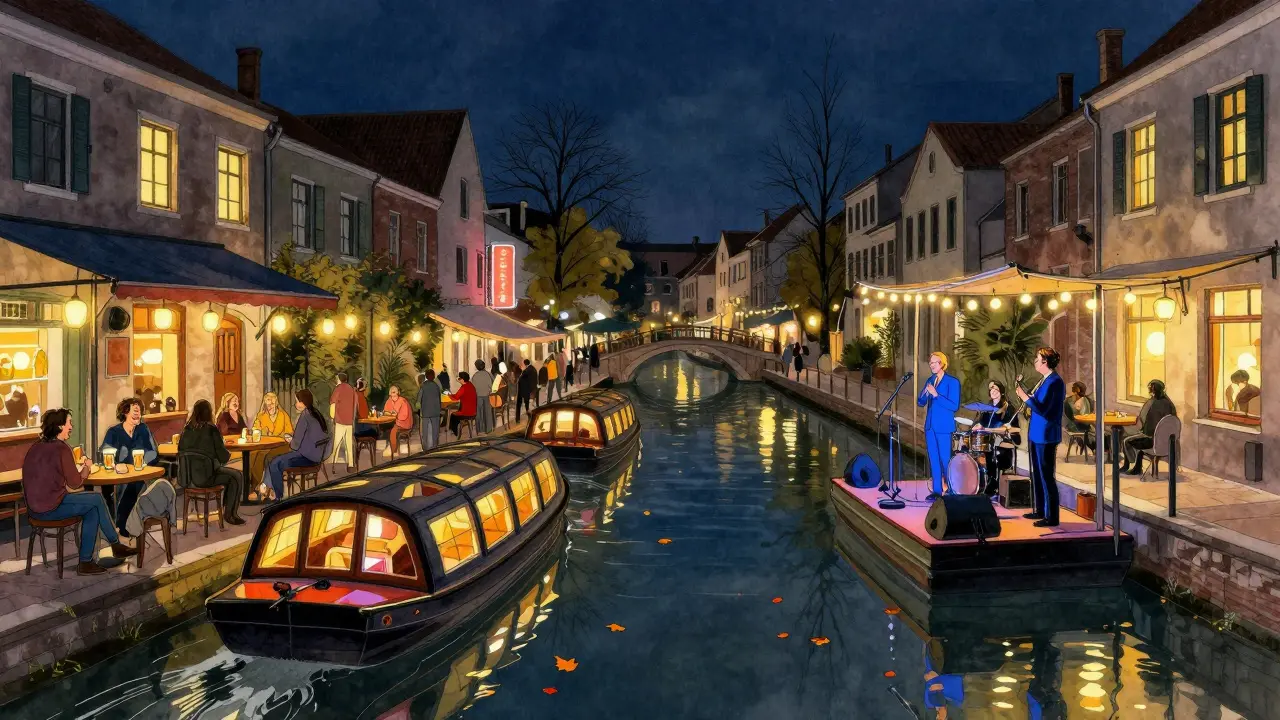
The Navigli district comes alive after 8 p.m. Once a working canal system for transporting goods, today it’s lined with over 100 bars, restaurants, and live music venues. The area splits into two vibes: the western end near Porta Genova is more touristy, but the stretch between Darsena and Muzza is where locals go.La Cucina di Nonna serves homemade pasta and local wines on a terrace overlooking the canal. Beer Temple offers 40+ craft beers on tap, many from Lombardian microbreweries. On weekends, the canal banks turn into open-air concert zones. You might stumble upon a blues band one night and a hip-hop poet the next. The energy is loose, unpolished, and real.
Pro tip: Bring cash. Many places here don’t take cards after midnight. And if you want to avoid crowds, go on a Tuesday or Wednesday. Weekends get packed with tourists from all over Europe.
Porta Nuova and the Rooftop Scene
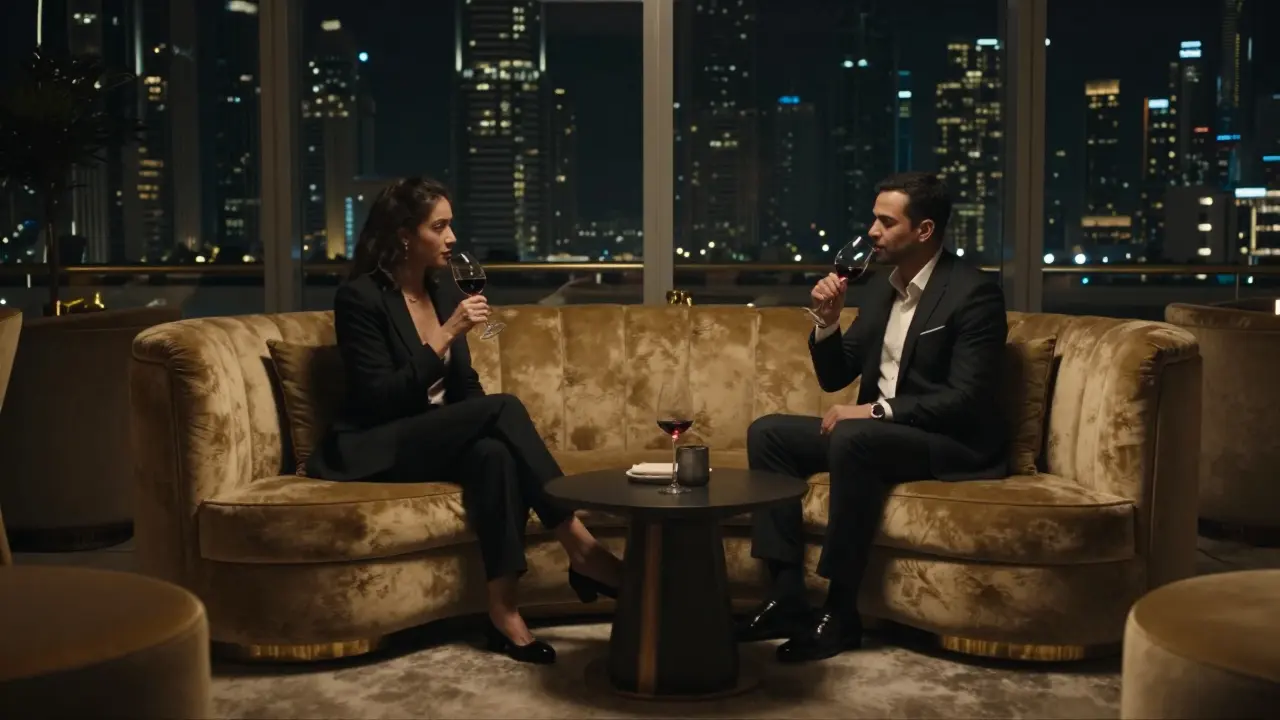
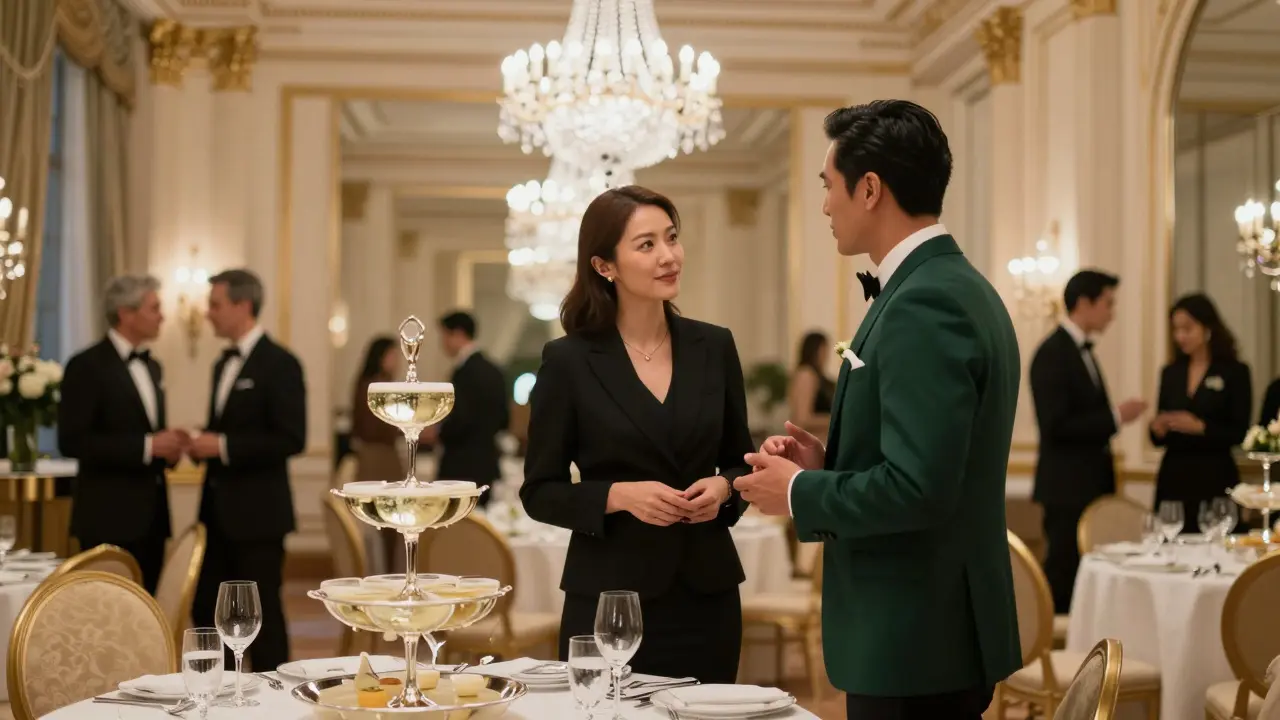
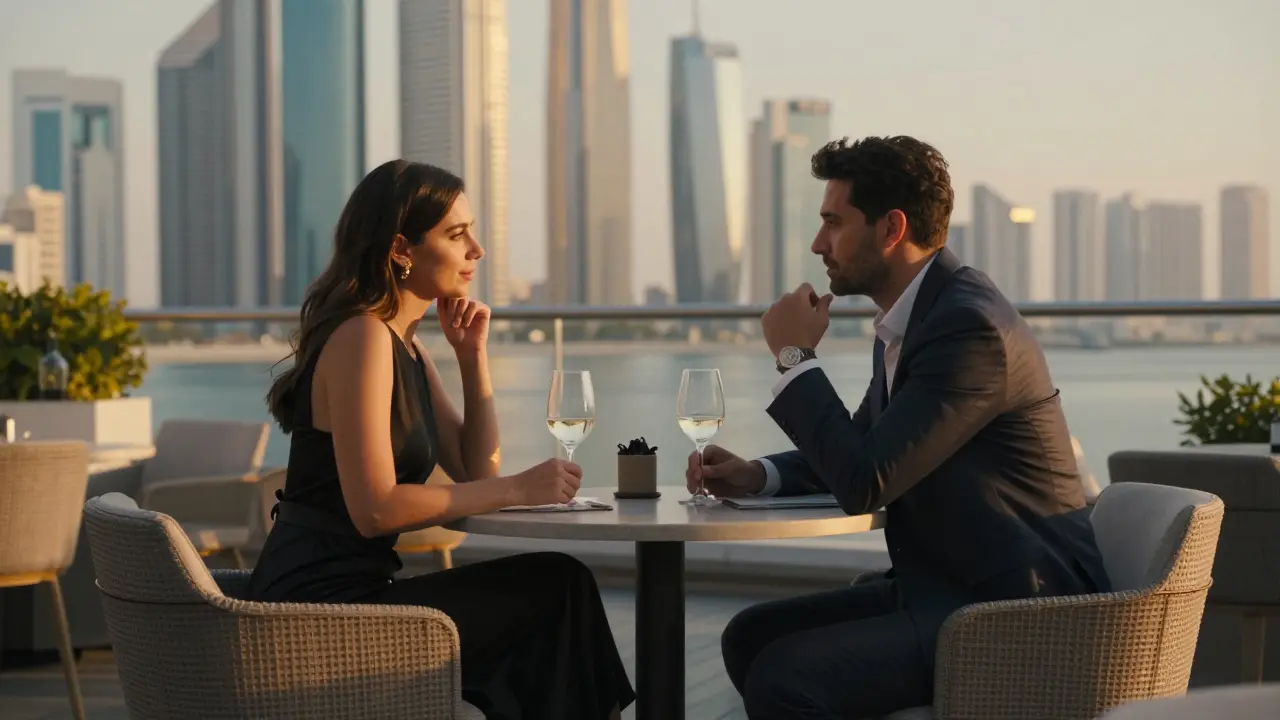
If you’re looking for glamour, head to Porta Nuova. This modern district, built on the site of old industrial zones, now holds Milan’s most stylish rooftop bars. The skyline here is all glass towers and neon lights, and the rooftop scene matches it.Terrazza Aperol on the top floor of the Unicredit Tower offers panoramic views of the city. It’s not cheap-cocktails start at €18-but the sunset over the Bosco Verticale is worth it. Skyline Rooftop has a DJ on Fridays and a velvet couch section where you can sip champagne and watch the city lights flicker on.
These spots attract professionals, fashion insiders, and international visitors. Dress code is smart casual-no sneakers, no hoodies. If you’re not dressed for it, you’ll feel out of place. But if you are? You’ll feel like you’re in a movie.
Underground Clubs: Where Milan’s Real Energy Lives
For the true Milan night, skip the tourist traps and head to the underground. These aren’t clubs you’ll find on Instagram ads-they’re whispered about, found through friends, and often hidden behind unmarked doors.Magazzini Generali is a converted warehouse in the Lambrate district. It hosts electronic music nights with DJs from Berlin and Tokyo. The sound system is insane. The crowd? Mostly locals in black turtlenecks and vintage boots. Entry is €15, and you don’t need a reservation-just show up after 11 p.m.
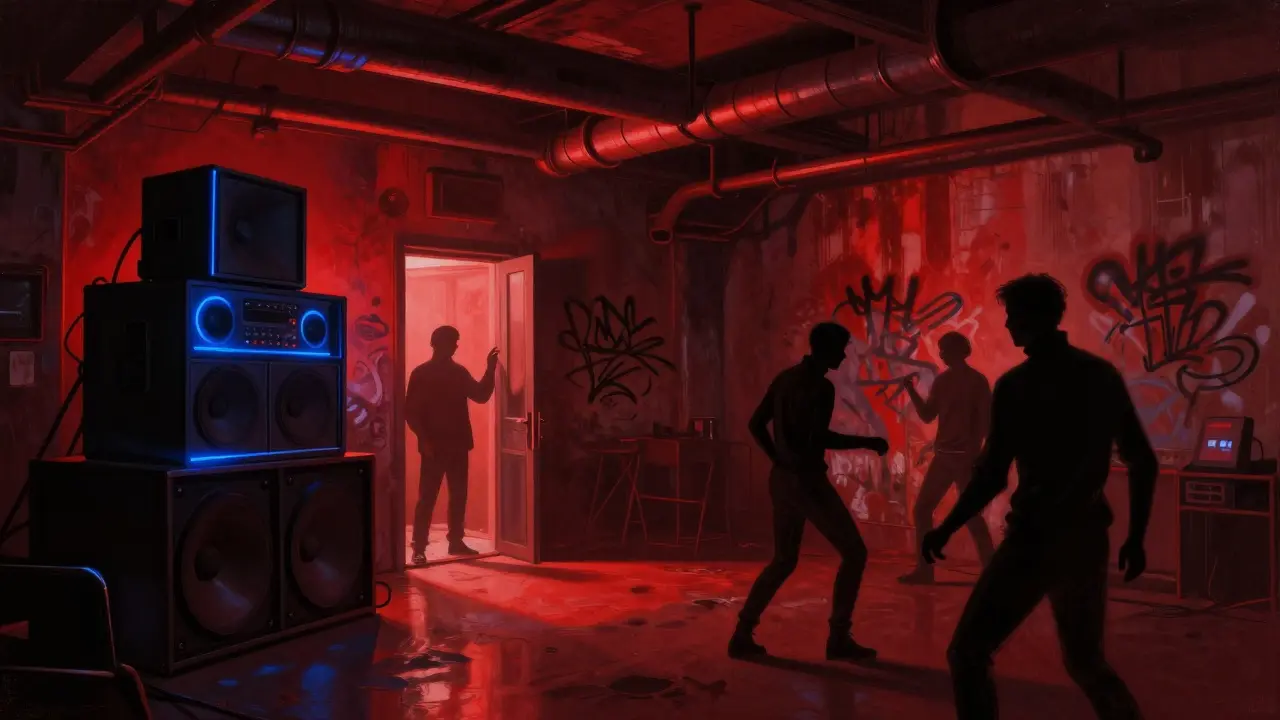
Then there’s La Bodega, a tiny basement bar that turns into a techno temple on Saturday nights. No sign outside. Just a red light and a bouncer who nods you in if you look like you belong. It’s not for everyone. But if you’ve ever wanted to dance until 6 a.m. with people who don’t care about trends, this is it.
These places don’t advertise. Follow local music blogs like Milan Nightlife Diary or ask a bartender in Brera where they go after their shift.
Midnight Eats: Food That Keeps Milan Going
Nightlife in Milan isn’t just about drinks-it’s about food that lasts. Most restaurants close by 11 p.m., but a few spots stay open for the night owls.Trattoria da Gianni in the Ticinese district serves truffle risotto and grilled octopus until 3 a.m. It’s the kind of place where the chef knows your name by the third visit. Il Caffè della Musica is a 24-hour coffee shop that doubles as a late-night snack bar. Try their panzerotti-fried dough stuffed with mozzarella and tomato-eaten standing up at 2 a.m. with a cold beer.
Don’t leave without trying paniscia, a Lombard rice dish with salami and wine. It’s rare outside Milan, and even rarer after midnight. You’ll find it at La Cucina del Forno in the Porta Venezia area. The owner, Giuseppe, makes it himself every night. He doesn’t have a menu. You just ask: “Hai la paniscia?”
What to Avoid
Not every nightlife spot in Milan is worth your time. Skip the ones near the Duomo that advertise “English menus” and “happy hour 50% off.” These are tourist traps with overpriced drinks and fake energy. The same goes for clubs that play Top 40 hits on loop-Milan doesn’t do that.Also avoid walking alone in the area around Centrale Station after 1 a.m. It’s poorly lit and crowded with people who aren’t there for the nightlife. Stick to well-lit streets and trusted neighborhoods.
And never assume that a place open at 10 p.m. will still be open at 3 a.m. Many bars shut down early on weekdays. Check opening hours on Google Maps-most places update them in real time.
Getting Around After Dark
Milan’s metro runs until 1:30 a.m. on weekdays and 2:30 a.m. on weekends. After that, you’ll need a taxi or rideshare. Uber isn’t big here-use FreeNow or Beat instead. They’re cheaper and more reliable.Biking is also an option. The city has over 100 bike-sharing stations, and many are open 24/7. Just make sure you lock your bike properly. Theft is common in tourist-heavy areas.
Walking is safe in central districts like Brera, Navigli, and Porta Nuova. But don’t wander into unfamiliar neighborhoods alone. Stick to the main streets. Locals know the safe routes-ask one.
When to Go
Milan’s nightlife changes with the seasons. Summer (June-August) is the peak. Outdoor terraces overflow, and festivals like Milano Summer Night bring free concerts across the city. Winter (December-February) is quieter, but cozier. Many bars light fireplaces and serve mulled wine.The best months for nightlife are April-May and September-October. The weather is perfect, the crowds are thinner, and the energy is just right. Avoid August-most locals leave the city, and many places close for a month.
Weekends are busy. If you want a real local experience, go midweek. Tuesday and Wednesday nights are when the real regulars show up.
Is Milan nightlife safe for tourists?
Yes, but with common sense. Stick to well-known areas like Brera, Navigli, and Porta Nuova. Avoid unlit alleys and areas near Centrale Station after midnight. Most nightlife spots are safe, and locals are helpful if you ask for directions. Don’t flash cash or expensive gear.
What’s the dress code for Milan nightclubs?
It depends on the place. Rooftop bars and upscale clubs expect smart casual-no sneakers, shorts, or tank tops. Underground clubs like Magazzini Generali are relaxed-jeans and a good shirt are fine. When in doubt, dress a little nicer than you think you need to. Milanese people notice details.
Do I need to book reservations for bars in Milan?
For most casual bars and wine spots, no. But for rooftop terraces like Terrazza Aperol or popular live music venues in Navigli, booking ahead on weekends is smart. Use platforms like TheFork or call directly. Underground clubs rarely take reservations-you just show up.
How late do places stay open in Milan?
Most bars close between 1 a.m. and 2 a.m. on weekdays. On weekends, many stay open until 3 a.m. or later. Clubs like Magazzini Generali and La Bodega often run until 6 a.m. Always check the place’s Instagram or Google listing-opening hours change often.
Can I find English-speaking staff in Milan’s nightlife spots?
In tourist areas like Navigli and Porta Nuova, yes. In Brera and underground spots, staff often speak Italian only. But most bartenders know basic English phrases. Learning a few Italian words-like "un bicchiere di vino, per favore"-goes a long way. Locals appreciate the effort.
If you’re planning your first night out in Milan, start in Brera. Have a Negroni. Walk to Navigli. Eat something late. Find a hidden club. Don’t rush. The city doesn’t hurry-and neither should you. Milan’s night isn’t about checking boxes. It’s about discovering moments you didn’t know you were looking for.