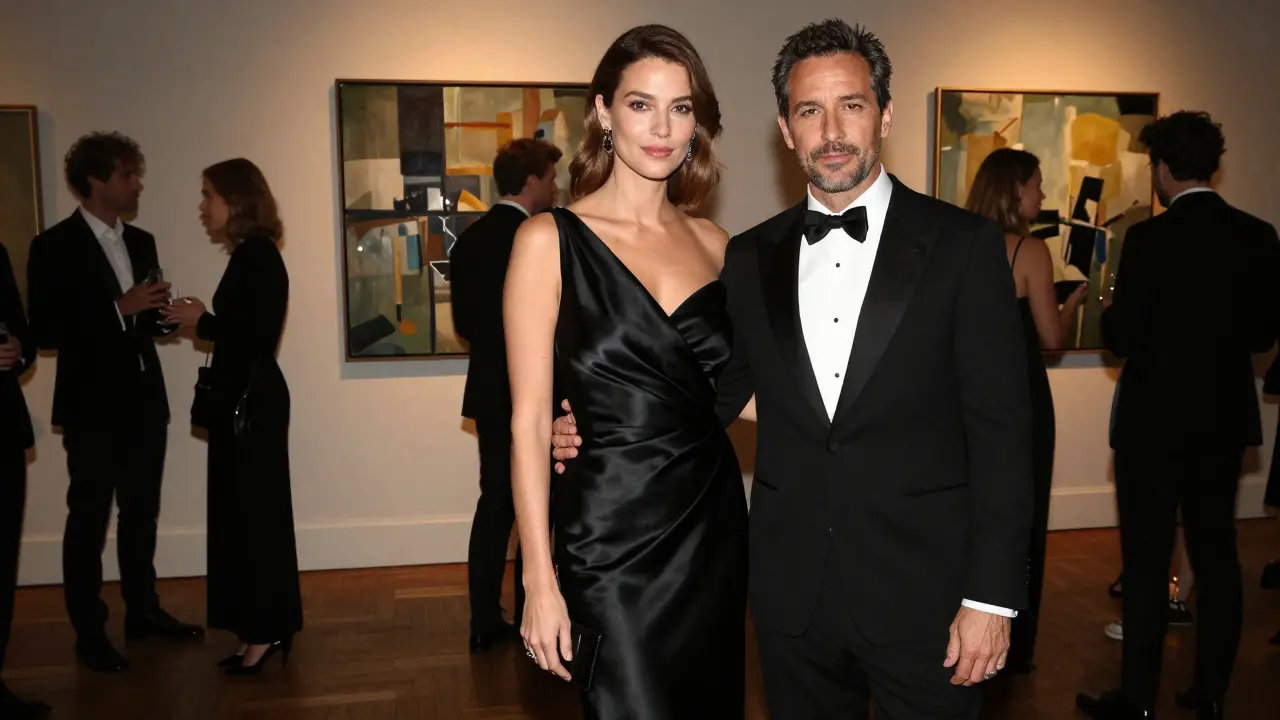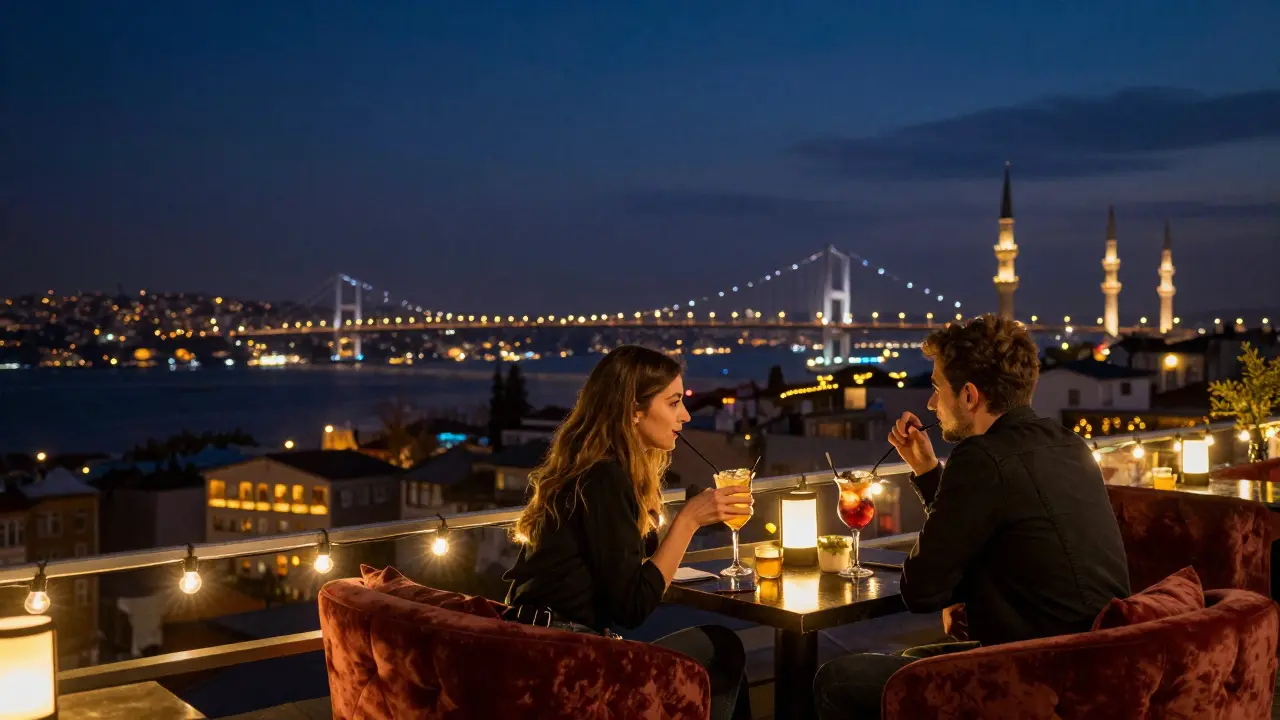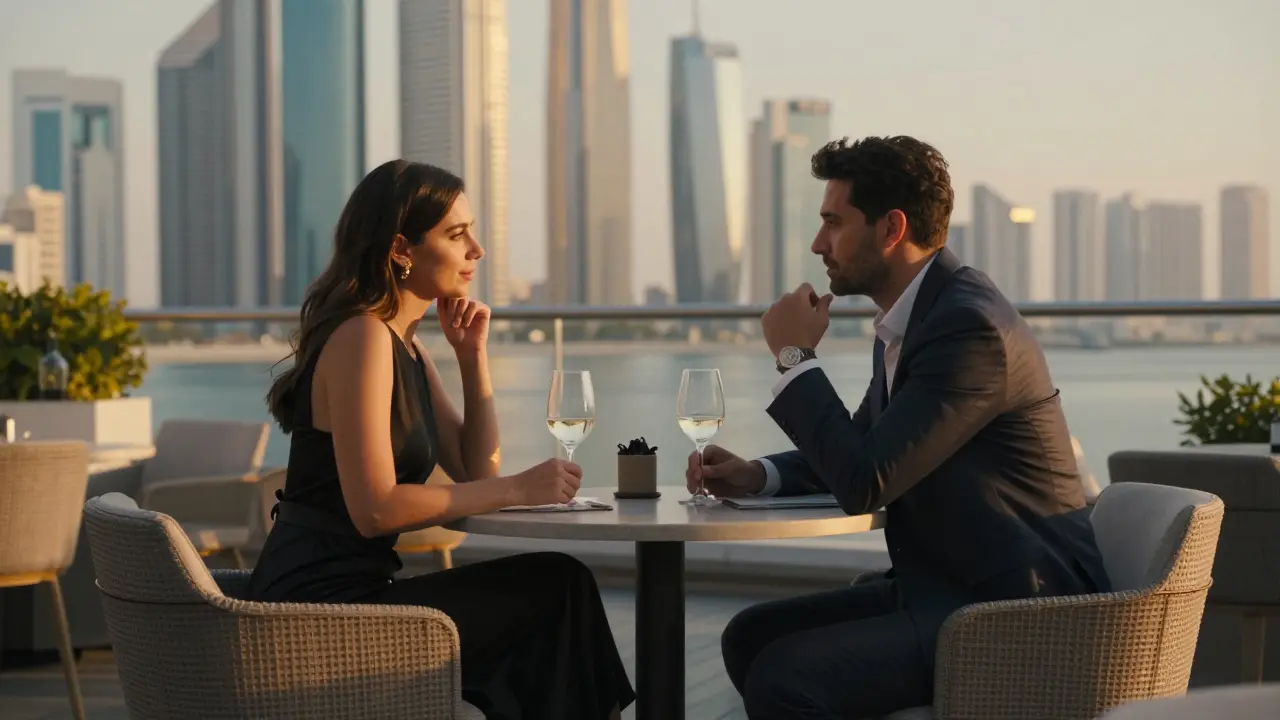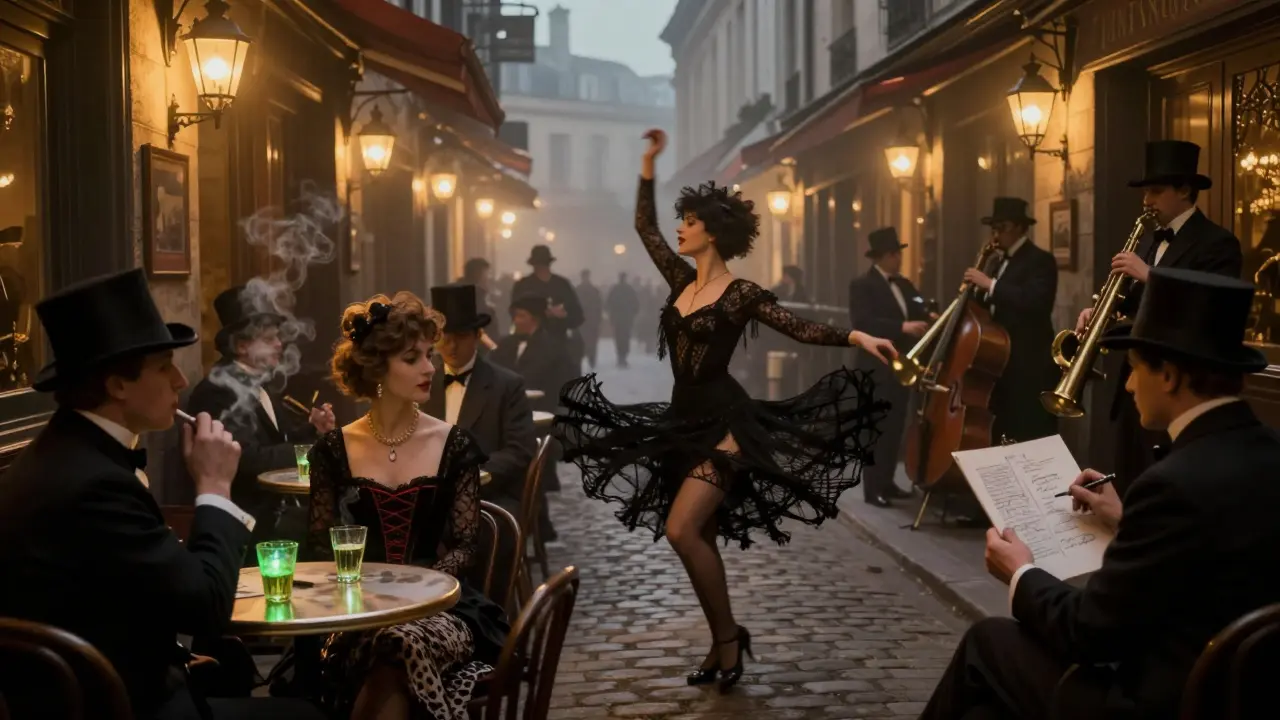
Paris wasn’t always about neon lights and bass-heavy clubs. A hundred years ago, the city’s nights belonged to cabarets, jazz lounges, and poets sipping absinthe in dimly lit corners. Today, you can dance to techno in a former slaughterhouse, sip craft cocktails in a hidden speakeasy, or watch live opera under the stars-all within a 20-minute metro ride. The evolution of Paris nightlife isn’t just about where people go out; it’s about how the city’s soul has shifted with time, politics, music, and generations.
The Belle Époque and the Birth of the Night
In the late 1800s, Paris became the first city in Europe to truly embrace nightlife as a cultural institution. The Moulin Rouge opened in 1889, not just as a dance hall but as a spectacle-featuring can-can dancers, orchestras, and aristocrats mingling with artists. This was the era when artists like Toulouse-Lautrec painted the nightlife, turning it into art. The cafés of Montmartre weren’t just places to drink; they were where Picasso argued about cubism, Apollinaire wrote poetry, and Gertrude Stein collected modernists over wine.
Back then, nightlife was tied to class and creativity. The working class danced in underground halls, while the elite sipped champagne in velvet-lined salons. But everyone agreed on one thing: the night was a time to break rules. Paris didn’t just stay awake-it reinvented itself after dark.
The Jazz Age and the Rise of Underground Culture
By the 1920s, American jazz had crossed the Atlantic and taken over Paris. Black American musicians, fleeing segregation in the U.S., found a welcome in Montparnasse. Josephine Baker became a sensation at the Folies Bergère, not just for her dancing but for her defiance. She wore nothing but a belt of bananas on stage-and Paris adored her for it.
Clubs like Le Boeuf sur le Toit and La Coupole became hubs for intellectuals, writers, and musicians. The music wasn’t just entertainment; it was rebellion. Jazz broke rigid social codes. Mixed-race crowds danced together. Women smoked openly. The night became a space for freedom.
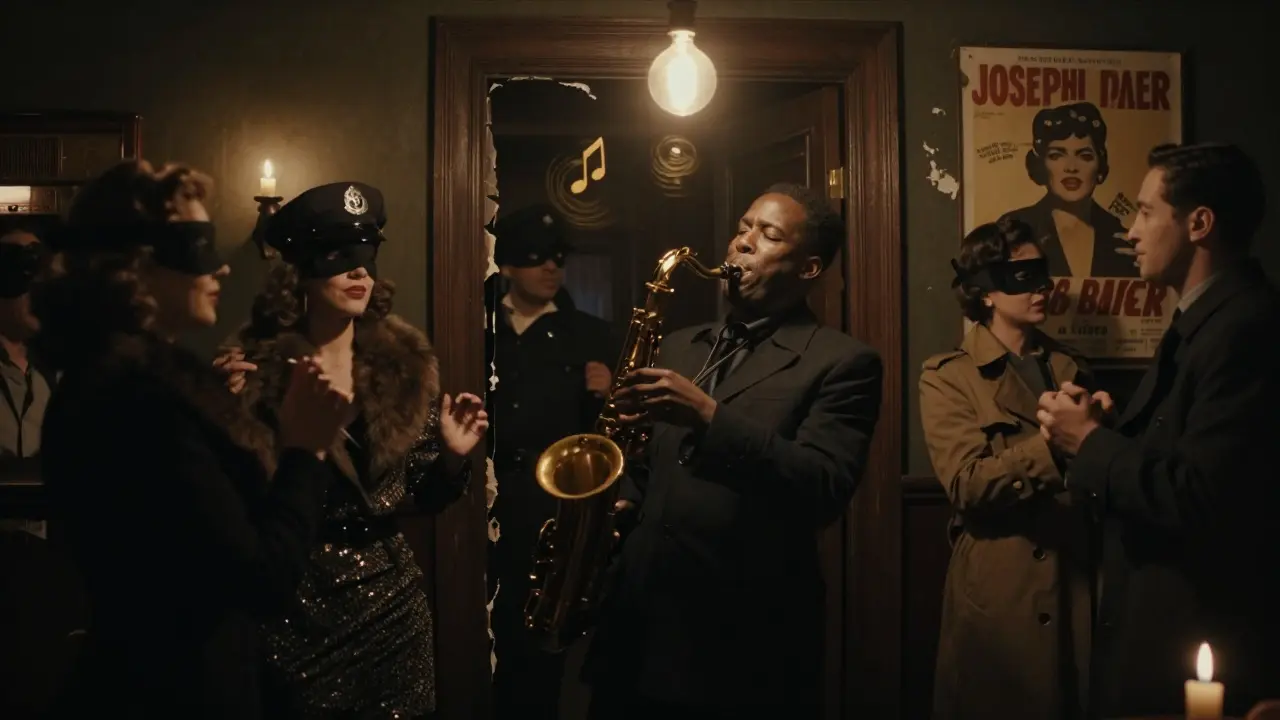
Even during World War II, when the Nazis occupied Paris, the underground persisted. Secret jazz clubs operated under police radar. Musicians played coded messages in their solos. The night, even under occupation, refused to be silenced.
The Decline and the Quiet Years
After the 1960s, Paris nightlife began to fade. The city’s focus shifted to modernization. The old cabarets closed. Many bars became tourist traps. The youth moved to discos in the suburbs, and the center of Paris felt dull by comparison. By the 1990s, the city had lost its edge. The French government cracked down on late-night drinking. Bars closed at 2 a.m. The police enforced noise laws strictly. The magic felt like it had vanished.
But Paris doesn’t stay quiet for long.
The 2000s: The Speakeasy Revival
Something changed around 2005. A new generation of Parisians-raised on global music, travel, and Instagram-wanted something real. They didn’t want flashy clubs with cover charges and fake velvet ropes. They wanted intimacy, craftsmanship, and stories.
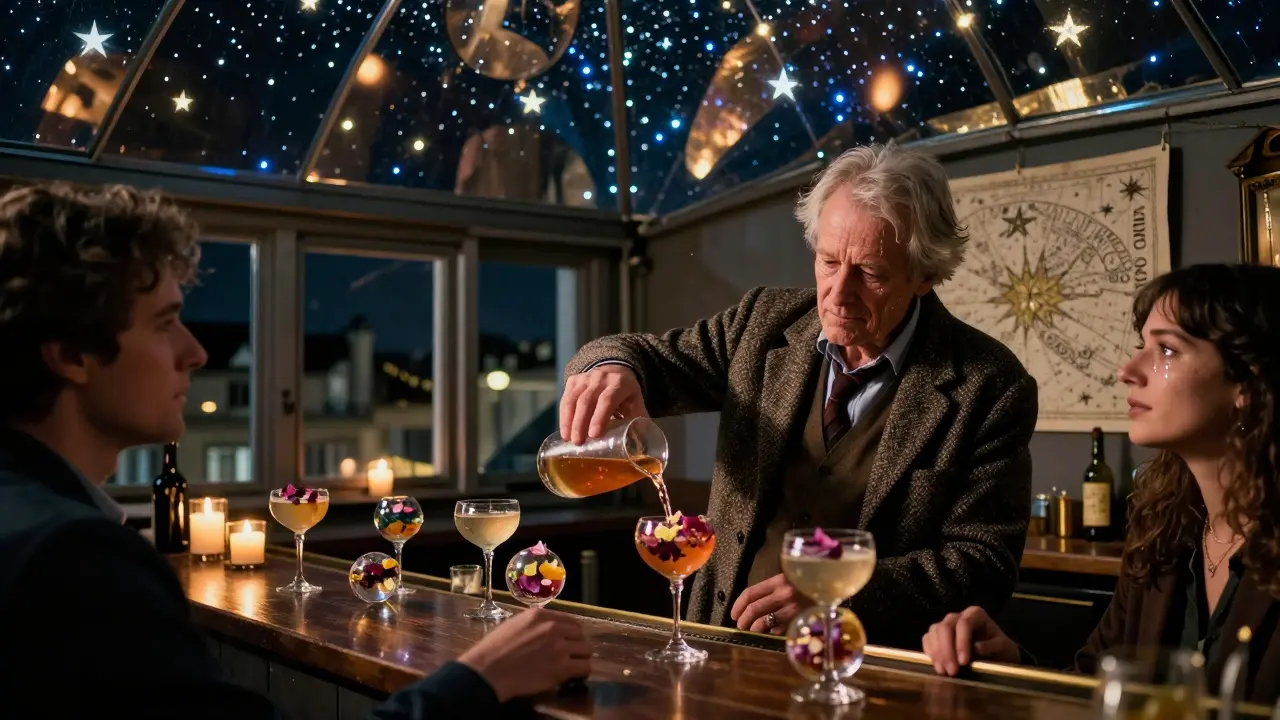
That’s when the speakeasy movement began. Hidden behind bookshelves, refrigerators, or unmarked doors, bars like Le Comptoir Général and Little Red Door opened. No signs. No menus. You had to know where to look. Bartenders mixed cocktails using herbs from their own gardens. Music was vinyl-only. The vibe? Like being let into a secret.
These weren’t just bars-they were experiences. People came for the conversation, not just the drink. And they stayed because they felt like they’d found something the city had forgotten.
Today: Tech, Diversity, and the New Night
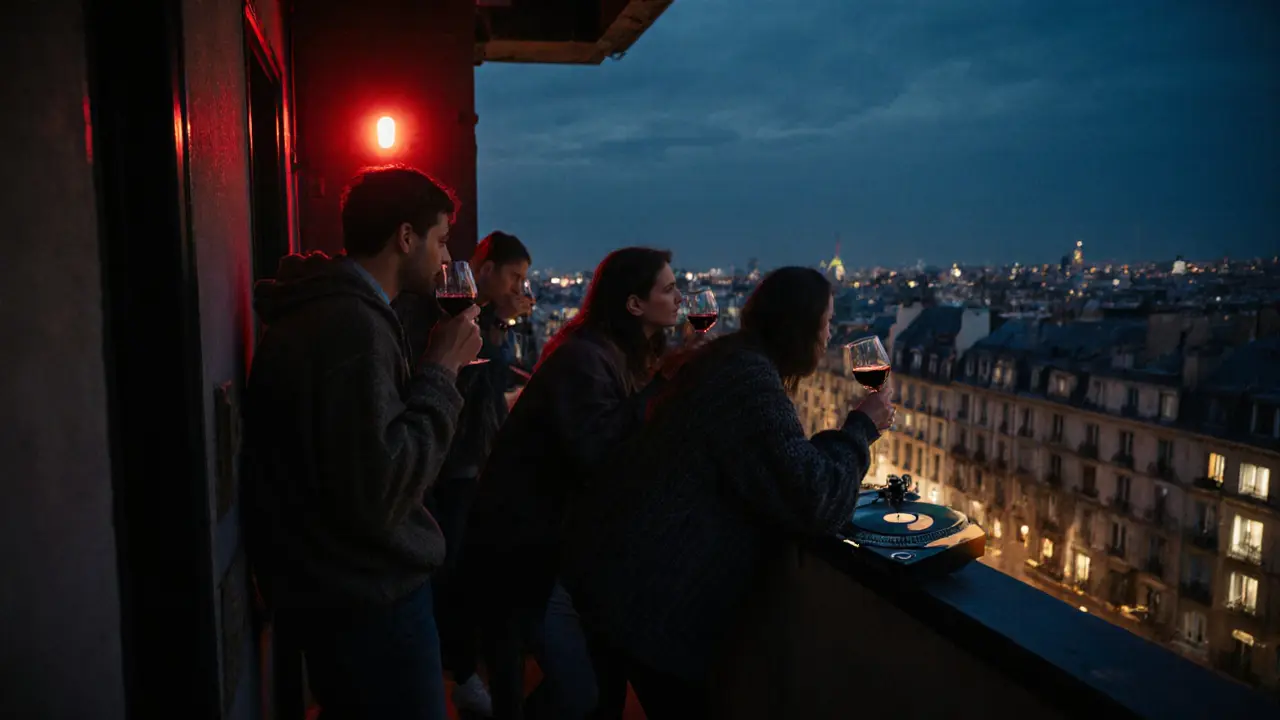
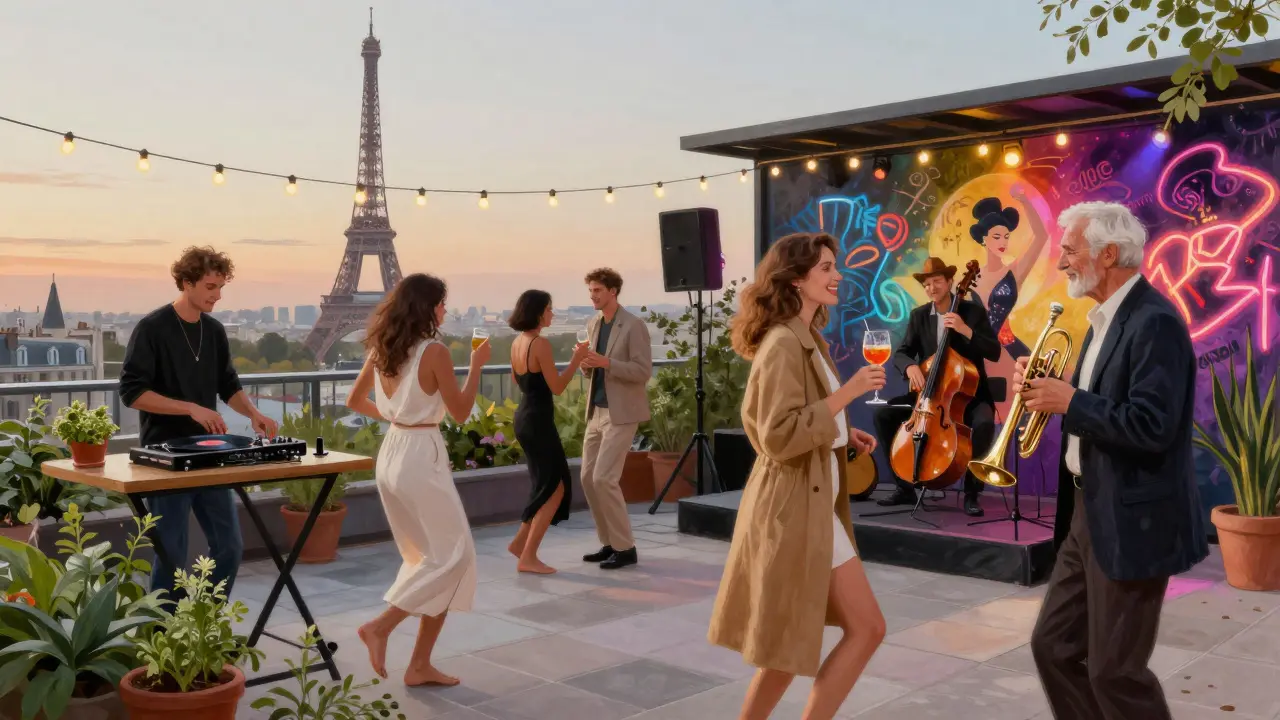
By 2025, Paris nightlife is more diverse than ever. You can start your night at a traditional wine bar in Saint-Germain, where the owner pours you a 1998 Burgundy from a bottle he’s kept since 1999. Then head to a queer-friendly club in Belleville where DJs blend Afrobeat and French house. Later, you might find yourself in a rooftop garden in the 13th arrondissement, watching the Eiffel Tower sparkle while listening to a live jazz trio.
Technology has changed the game. Apps like Yelp Paris and Dojo help you find pop-up events, secret parties, and underground raves. But the real shift is cultural. Paris no longer has one nightlife scene-it has dozens. Each neighborhood has its own rhythm.
In the Marais, LGBTQ+ venues thrive with drag shows and vinyl nights. In the 19th, young immigrants run underground parties with West African beats and Arabic hip-hop. In Montmartre, you can still find jazz clubs-but now they’re owned by women in their 30s who studied at Berklee. The old guard is still there, but they’re no longer the only ones holding the mic.
What Makes Paris Nightlife Different?
Other cities have clubs. Other cities have bars. But Paris has atmosphere.
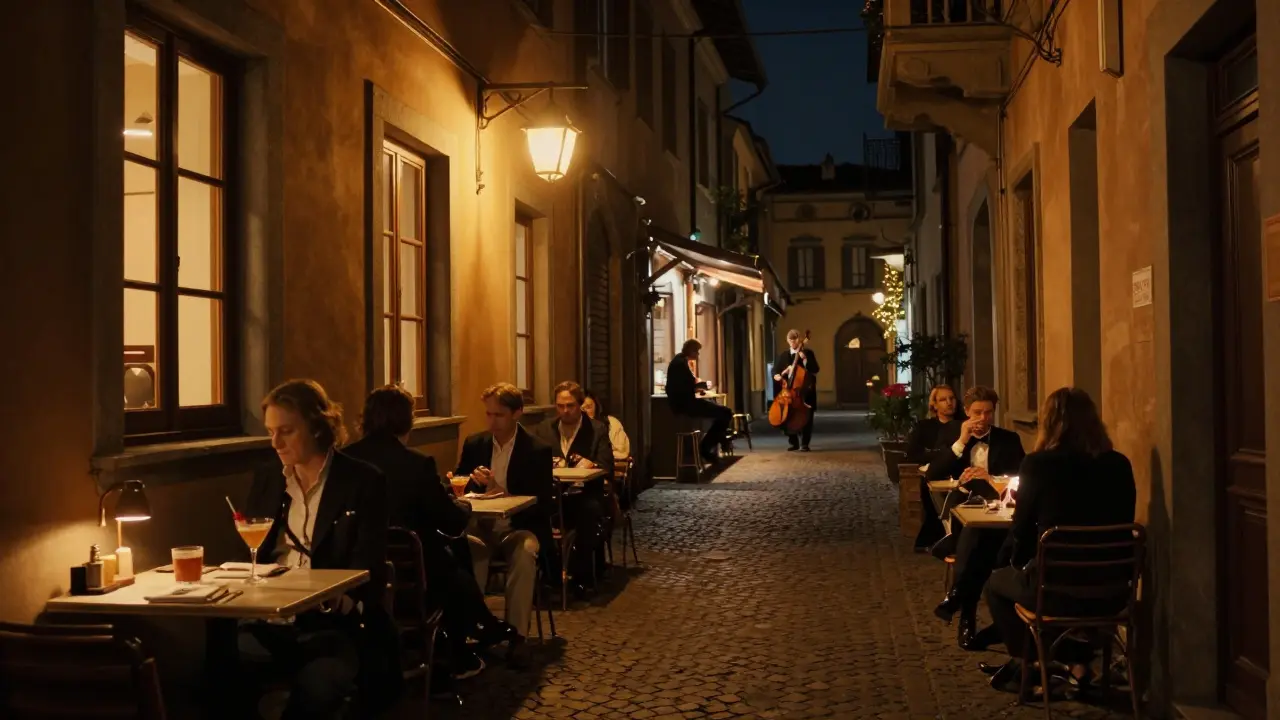
It’s the way a bartender in Le Procope remembers your name after one visit. It’s the way a saxophone plays through an open window in the Latin Quarter, pulling strangers into a spontaneous dance. It’s the fact that you can walk from a 17th-century wine cellar to a laser-lit warehouse party in 20 minutes.
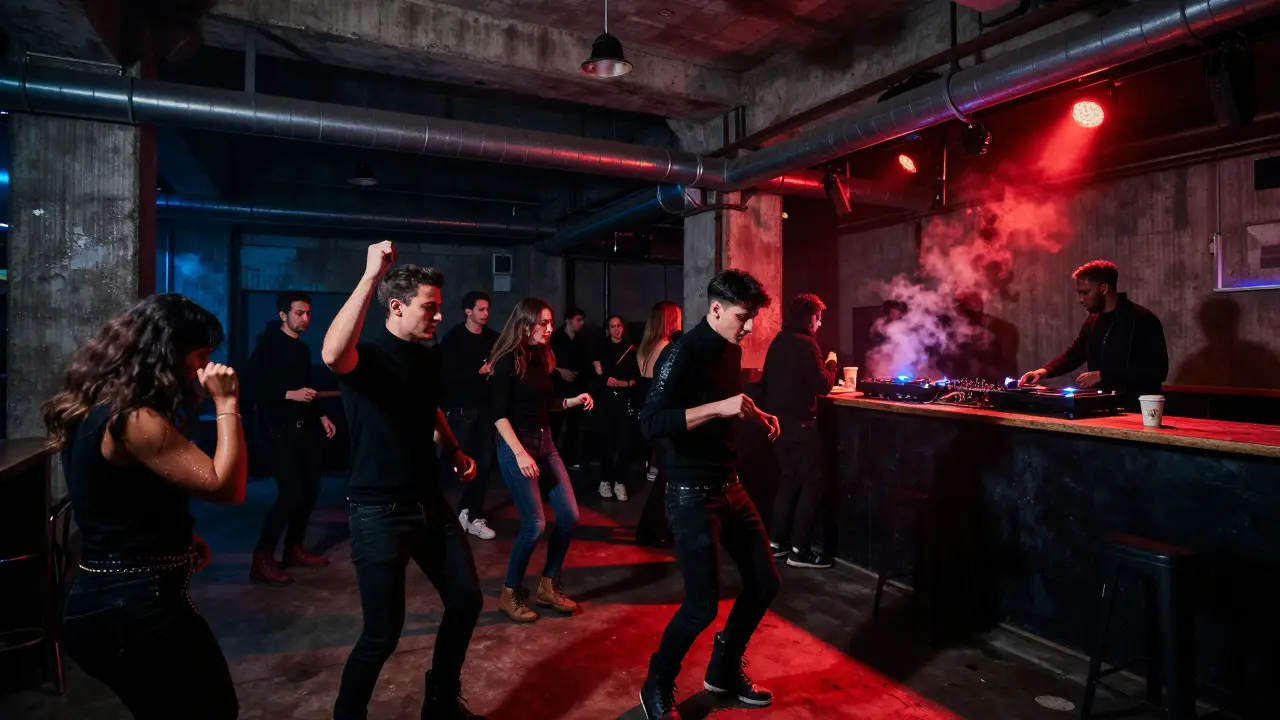
Paris doesn’t force you to choose between old and new. It lets you live both. You can sip a Kir Royale in a century-old brasserie, then hop on a bike to a warehouse rave where the DJ is playing a remix of Edith Piaf. The city doesn’t erase its past-it layers it.
Where to Go Now: A Real-World Guide
If you’re visiting Paris in 2025 and want to experience its current nightlife, here’s what actually works:
- For classic charm: Le Caveau de la Huchette-jazz since 1951, no tourists allowed unless they dance.
- For craft cocktails: Little Red Door-book ahead, no photos allowed, drinks named after French poets.
- For underground parties: La Machine du Moulin Rouge-yes, the same building, but now it’s a techno club on weekends.
- For global beats: Le Trabendo-live music from Senegal, Brazil, Lebanon, and beyond.
- For rooftop views: Le Perchoir Marais-sunset cocktails, no cover, just good vibes and the Eiffel Tower in the distance.
Pro tip: Don’t go to the Eiffel Tower at night expecting a party. The real nightlife isn’t on the postcards-it’s in the alleyways, the basements, the hidden courtyards.
The Future of Paris Nights
Paris is changing fast. The city council is debating whether to extend bar hours past 3 a.m. on weekends. Some neighborhoods are pushing for noise-reducing tech in clubs. Others want to protect the quiet of residential streets.
But the heart of Paris nightlife hasn’t changed. It’s still about connection. About finding your tribe after dark. About music that makes you forget your worries. About the thrill of stumbling into a place you didn’t know existed-and realizing it was exactly what you needed.
The next chapter won’t be about trends. It’ll be about people. The 22-year-old from Lyon who started a queer poetry night in a former laundromat. The retired jazz musician who teaches kids to play trumpet on Sundays. The Syrian refugee who runs a late-night kebab stand that turns into a dance floor after midnight.
Paris nightlife isn’t about the lights. It’s about the people who keep them on.
Is Paris nightlife safe at night?
Yes, most areas are safe if you stay aware. Stick to well-lit streets and avoid isolated alleys after 2 a.m. Tourist hotspots like the Champs-Élysées can have pickpockets, but neighborhoods like Le Marais, Saint-Germain, and Belleville are generally secure. Always trust your gut-if a place feels off, leave. The city’s metro runs until 1:15 a.m. on weekdays and 2:15 a.m. on weekends, so you can always get home safely.
Do I need to book ahead for Paris bars?
For popular spots like Little Red Door, Le Comptoir Général, or rooftop bars, yes. Many of the best places limit seating to keep the vibe intimate. Walk-ins are welcome at traditional cafés and brasseries, but if you want a cocktail at a speakeasy or a seat at a live music venue, book online the same day. Most places use platforms like TheFork or Resy.
What’s the dress code for Paris nightlife?
Parisians dress to feel good, not to impress. There’s no strict dress code outside of a few high-end clubs. Smart casual works everywhere-dark jeans, a nice shirt, clean shoes. Avoid sneakers with socks, baseball caps, or overly flashy outfits. In the Marais or Saint-Germain, people lean toward minimalist style. In Belleville or the 19th, it’s more relaxed. When in doubt, dress like you’re going to a dinner party-not a concert.
Are there any 24-hour spots in Paris?
True 24-hour bars are rare, but some places stay open until 4 a.m. or later on weekends. Le Perchoir and Le Comptoir Général often host late-night events. For food, try L’As du Fallafel in Le Marais or Chez Alain Miam Miam in the 11th-they’re open until 3 a.m. and serve the best falafel and croque-monsieur after a night out.
Can I find English-speaking staff in Paris nightlife spots?
In tourist-heavy areas like Montmartre or the Champs-Élysées, yes. But the best spots-hidden bars, underground clubs, local jazz joints-are often run by locals who speak little English. Don’t worry. Parisians appreciate effort. Learn a few phrases: "Bonjour," "Merci," "Un verre, s’il vous plaît." A smile goes further than a phrasebook.
Paris nightlife doesn’t need to be loud to be powerful. It thrives in the quiet moments-the shared laugh over a glass of wine, the unexpected song that makes everyone stop talking, the way the city lights up just for you when you’re lost and looking for something real.