Istanbul doesn’t sleep. Not really. By 10 p.m., the city’s pulse quickens. The call to prayer fades into basslines. Street vendors flip simit as the first groups spill out of hidden courtyards in Beyoğlu. This isn’t just a city with nightlife-it’s a place where the night becomes a character in your story.
Roofing the City: Sunset Drinks with the Bosphorus
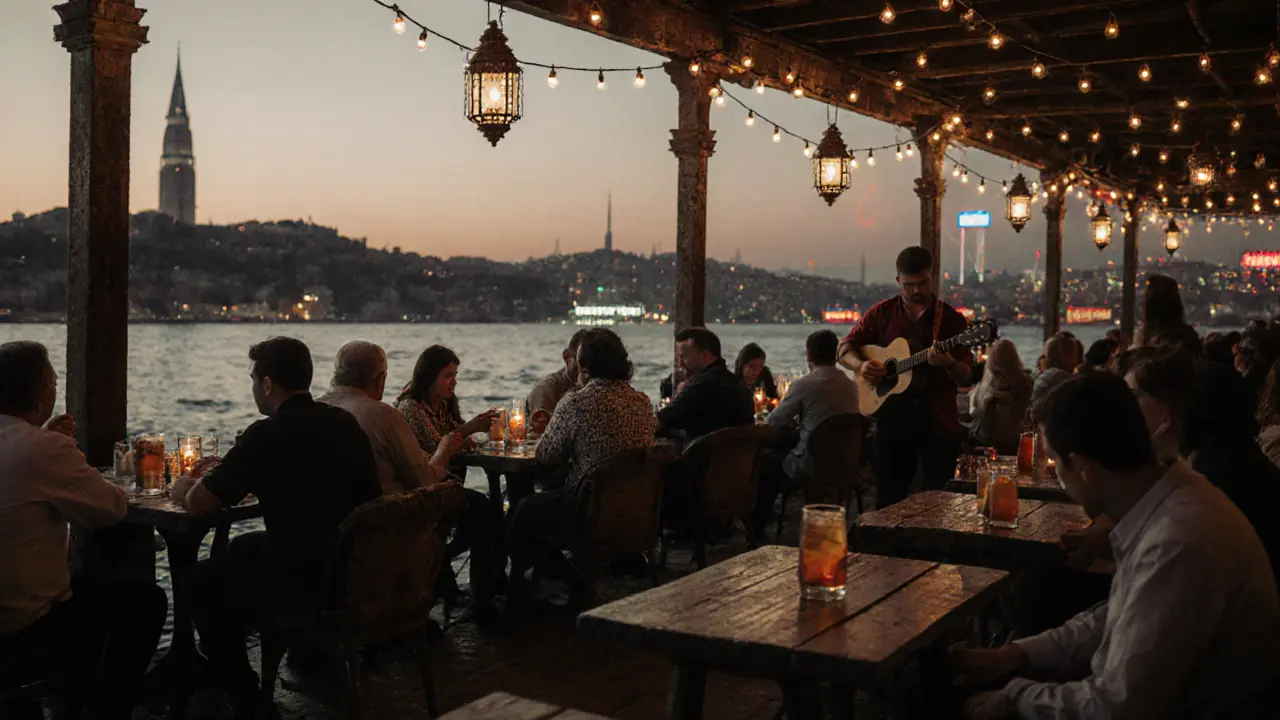
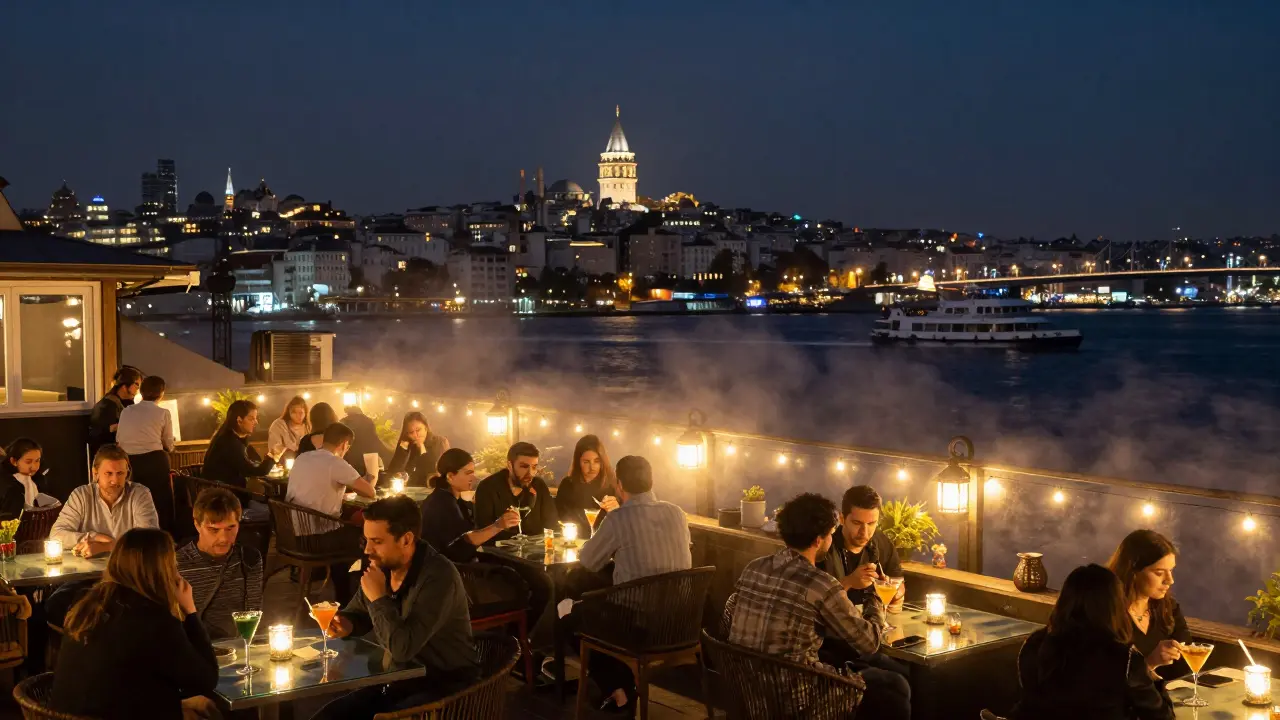
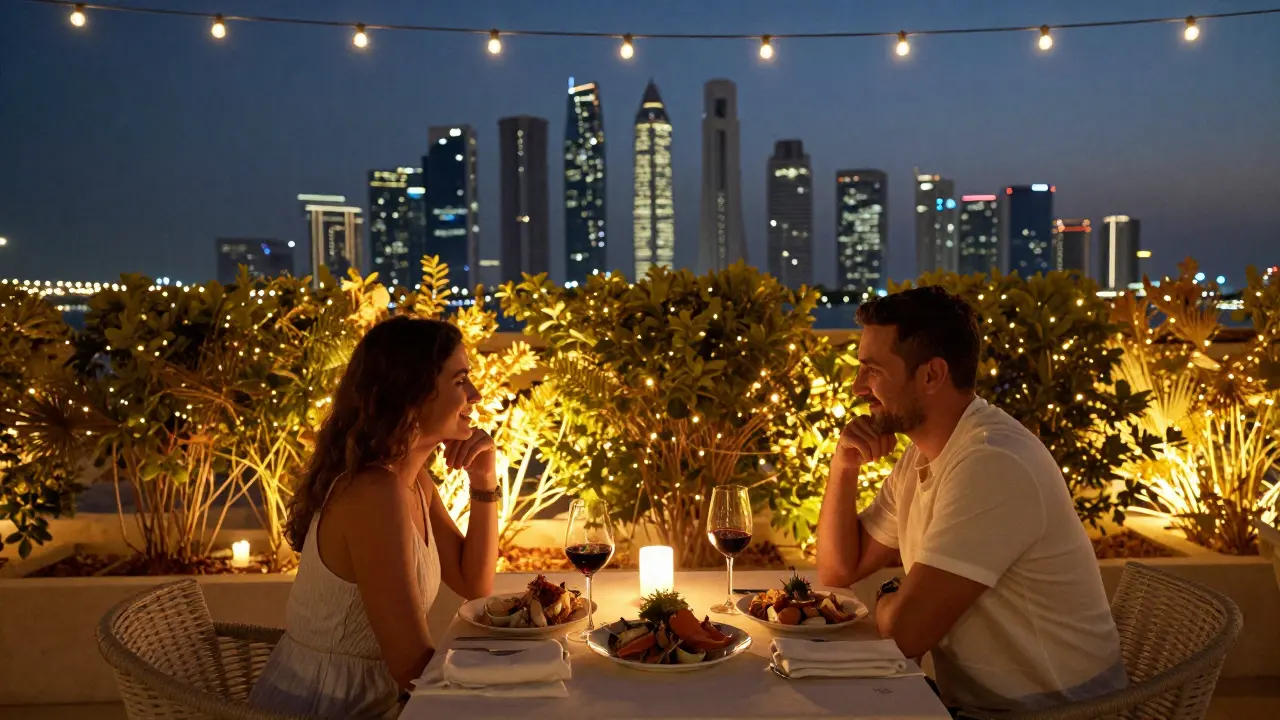
Start your night where the sky meets the water. Rooftop bars in Karaköy and Beyoğlu aren’t just places to drink-they’re viewing platforms for Istanbul’s most iconic skyline. At 360 Istanbul, you’ll sip a gin and tonic while watching ferries glide past the Galata Tower, the minarets of Süleymaniye glowing in the distance. The crowd? Mix of locals in linen shirts, expats with laptops, and tourists who know better than to take photos with their phones.
Don’t expect glittery clubs here. These spots are about atmosphere. The music is jazz or lo-fi beats. The ice is fresh. The cocktails? Made with Turkish rose syrup, mastic, or black mulberry. Try the İstanbul Sour at Bar 1914-it’s got lemon, honey, and a hint of anise. No one tells you about it. You just hear about it from the person next to you who’s been coming here since 2019.
The Underground Pulse: Karaköy’s Secret Clubs
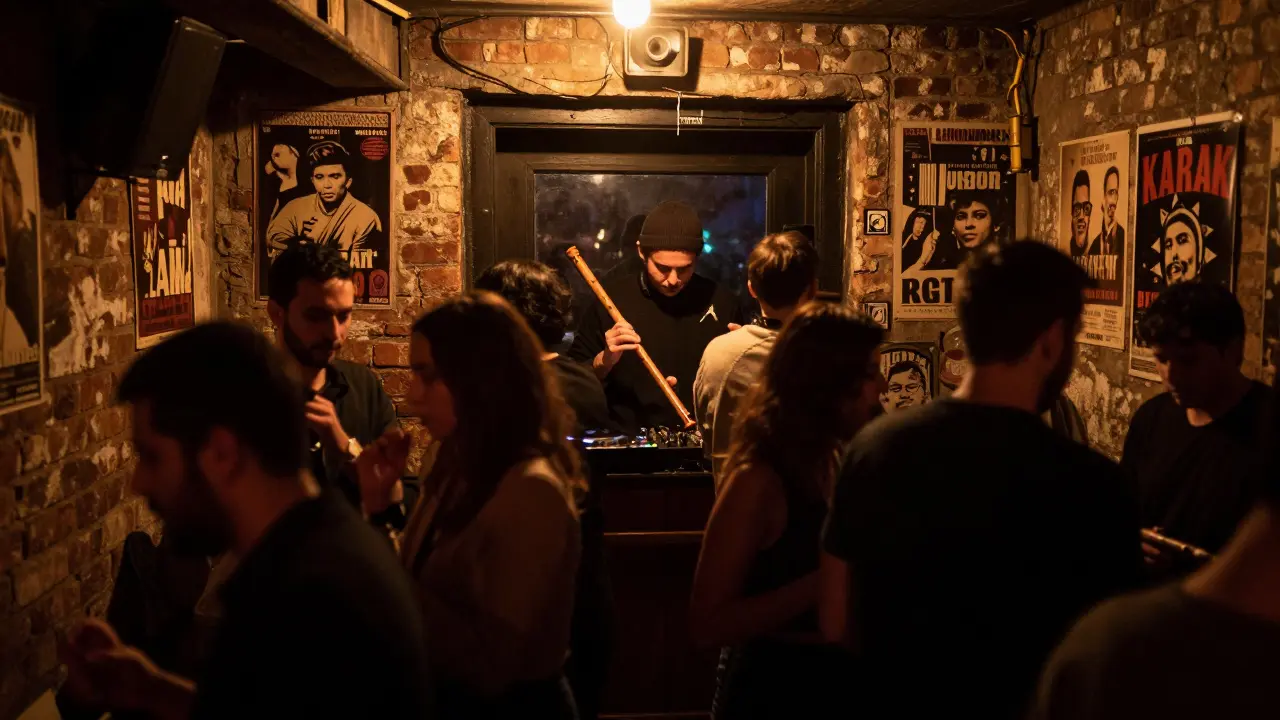
Down a narrow alley behind the old bank building in Karaköy, past a door with no sign, you’ll find Reina’s little sibling-Bar 1898. No bouncers. No velvet ropes. Just a guy in a beanie nodding you in. Inside, it’s dim, warm, and packed with people dancing like no one’s watching. The DJ spins deep house mixed with Ottoman samples. One track might blend a ney flute with a 4/4 kick. It’s not electronic music. It’s Istanbul’s soul in a remix.
There’s no cover charge until midnight. By then, the place is shoulder-to-shoulder. You’ll find students from Boğaziçi University, retired jazz musicians, and a German architect who moved here for the nights. You don’t go to Bar 1898 to be seen. You go because the air feels different-thicker, richer, like the city is breathing through the walls.
Whirling Through Time: Sufi Nights at Galata
Not every night in Istanbul ends with a cocktail. Some end with spinning.
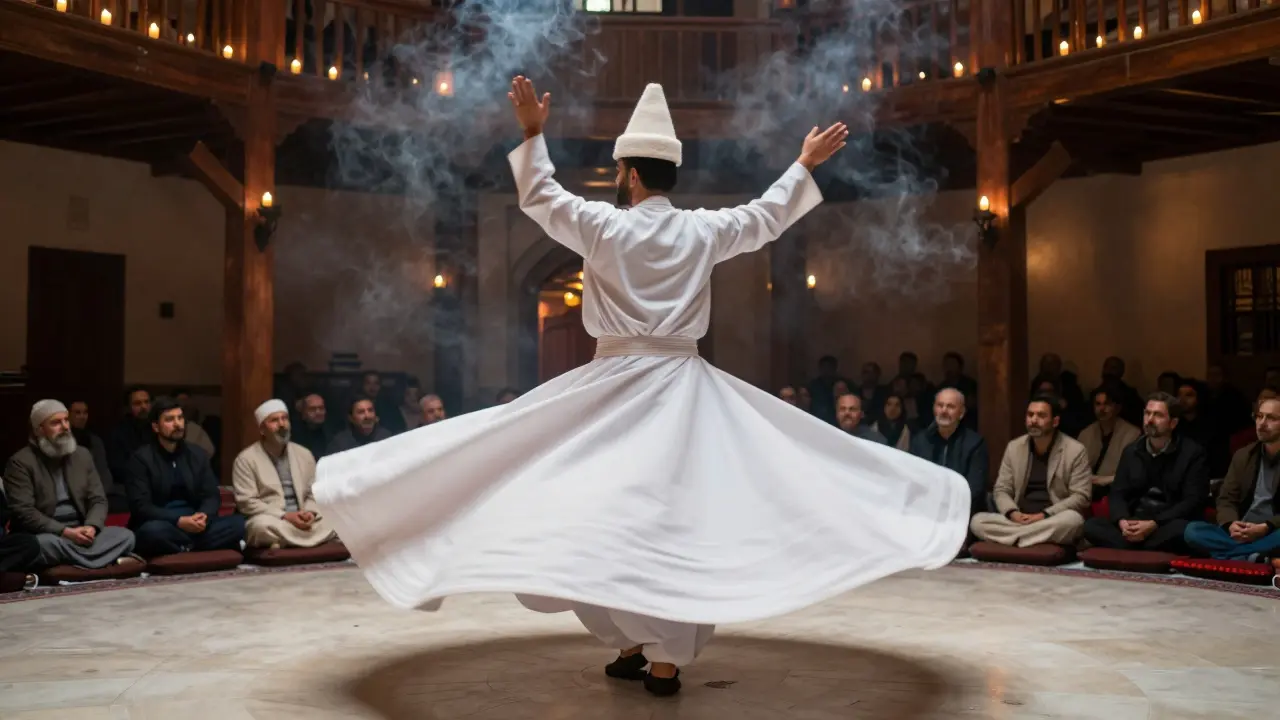
At Galata Mevlevi Lodge, you can watch the Whirling Dervishes perform live. It’s not a tourist show. It’s a 700-year-old ritual. The music starts slow-a single ney flute, then tambourines, then drums. The dervishes, in long white robes and tall felt hats, begin to turn. One rotation. Two. Ten. Twenty. Their arms open like wings. One hand up to heaven, one down to earth. The room falls silent. Even the tourists stop taking pictures.
These performances happen every Thursday. Doors open at 8 p.m. Tickets are 120 Turkish lira-about $4. You sit on cushions on the floor. The air smells of incense and old wood. After the final spin, the room erupts in quiet applause. No one claps loudly. No one shouts. You leave feeling lighter, like you’ve been part of something ancient and sacred.
Seafood and Stories: Nighttime Fish Markets
At 1 a.m., the fish market at Kadıköy on the Asian side is alive. Not with tourists, but with locals. Men in aprons slice through silvery sea bream. Women in scarves pick out octopus still twitching. The smell? Salt, ice, and garlic.
Walk a few steps to Çiya Sofrası, a tiny restaurant that opens at midnight. Order the midye dolma-mussels stuffed with spiced rice, served with lemon and chili. Eat them with your fingers. Drink the local raki, chilled, with a glass of water on the side. The owner, Mustafa, will ask where you’re from. He’ll tell you about his father, who used to sell fish here in the 1970s. He’ll pour you another glass. No one rushes you.
This isn’t fine dining. It’s real dining. The kind you remember because the food tasted like the sea, and the person across from you felt like family.
Street Life After Midnight: The Last Buses and the Night Watchmen
By 3 a.m., the clubs are closing. The music fades. But Istanbul doesn’t shut down. The night watchmen still patrol the mosques. The bakers are already kneading dough for tomorrow’s bread. And on the Taksim to Kadıköy metro line, you’ll find the last group of people-students, waiters, artists, lovers-still talking, still laughing, still alive.
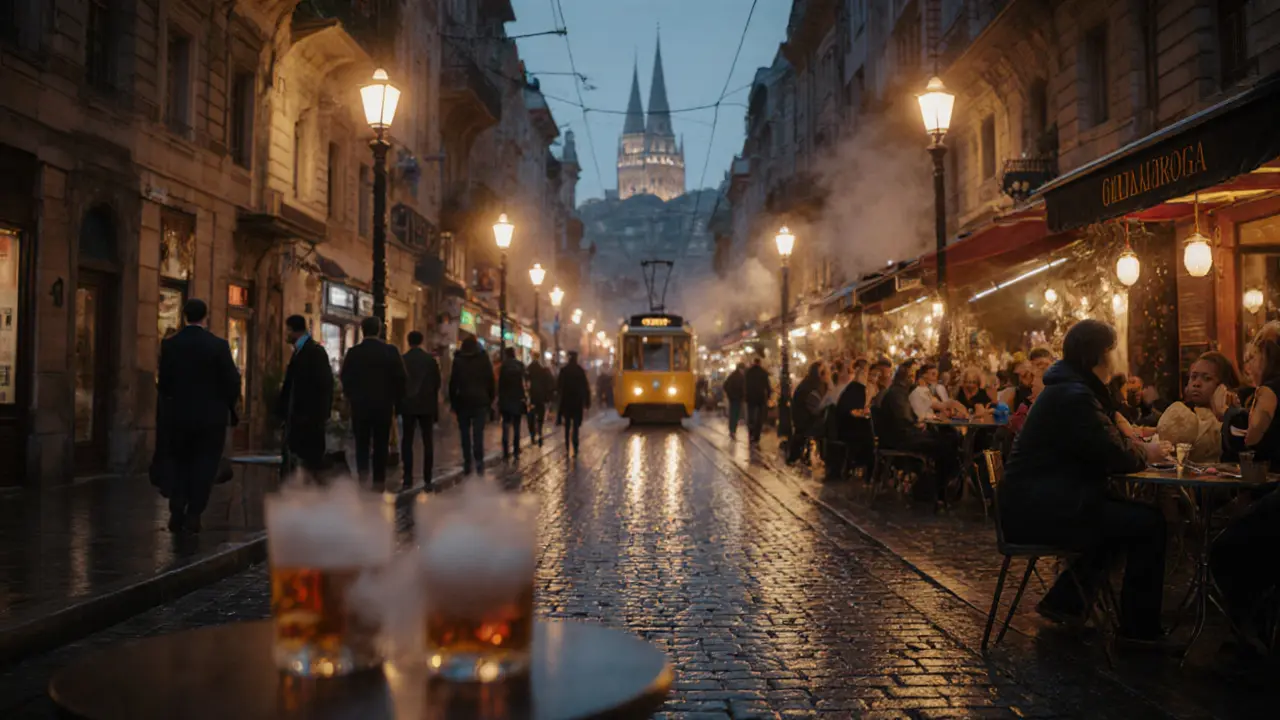
Take the night bus. The one with the flickering lights and the driver who sings along to old Turkish pop. You’ll see a man sleeping on a bench with his coat wrapped around a cat. A woman handing out warm simit to a homeless teen. Two friends arguing over which band they’ll see next weekend.
These aren’t scenes from a movie. They’re just nights in Istanbul.
What Makes a Night Memorable?
It’s not the neon signs. Not the VIP sections. Not the Instagrammable cocktails.
It’s the quiet moment when you realize you’re not just visiting-you’re part of the rhythm. When the barkeep remembers your name. When the stranger next to you shares their last cigarette. When the call to prayer echoes over a house party in Üsküdar, and no one turns it off. When you realize you’ve been here longer than you thought.
Istanbul’s nightlife doesn’t ask you to dance. It asks you to listen.
Is Istanbul nightlife safe for solo travelers?
Yes, especially in areas like Karaköy, Beyoğlu, and Kadıköy. The streets are well-lit, and locals are generally helpful. Avoid isolated alleys after 2 a.m., and don’t carry large amounts of cash. Public transport runs all night, and taxis are cheap and reliable. Most places have security staff, but the real safety comes from blending in-dress casually, don’t flash expensive gear, and don’t look lost.
What’s the best time to visit Istanbul for nightlife?
April to June and September to October are ideal. The weather is mild, the crowds are thinner, and the energy is high. Summer brings heat and tourists, making rooftop bars crowded and prices rise. Winter nights are quieter but still vibrant-especially in January, when locals celebrate the New Year with fireworks over the Bosphorus. If you want authentic, local nights, avoid July and August.
Do I need to speak Turkish to enjoy Istanbul’s nightlife?
No, but a few phrases go a long way. Saying "Teşekkür ederim" (thank you) or "Lütfen" (please) earns smiles. Most bartenders and waiters in tourist areas speak English. But in places like Bar 1898 or Çiya Sofrası, locals appreciate the effort. Don’t rely on translation apps-just point, smile, and try to guess the menu. The food and music will speak louder than words.
Are there any dress codes for Istanbul nightclubs?
Most clubs are casual. Jeans and a nice shirt are fine. Rooftop bars prefer smart-casual-no flip-flops or tank tops. For Sufi performances, modest clothing is respectful: cover shoulders and knees. You won’t be turned away for casual wear, but dressing a little nicer helps you blend in with the locals. No one checks IDs at underground spots, but you’ll need ID to enter bars after midnight.
How much should I budget for a night out in Istanbul?
You can have an unforgettable night for under 500 Turkish lira ($16). A cocktail at a rooftop bar costs 150-200 lira. Street food is 30-50 lira. A bottle of raki at a local spot is 80 lira. Public transport is 25 lira. Skip the expensive clubs. Stick to hidden bars, fish markets, and street-side cafes. The best memories cost less than a coffee in New York.